You can fix a HoMedics scale by ensuring it sits on a flat, hard surface and performing a power reset. Most instances of homedics scale troubleshooting involve resolving minor calibration errors or battery contact issues that stop the device from showing an accurate weight. If your scale remains unresponsive after these steps, it’s likely that the internal sensors have failed due to age or physical damage.
Troubleshooting inaccurate Homedics scale readings
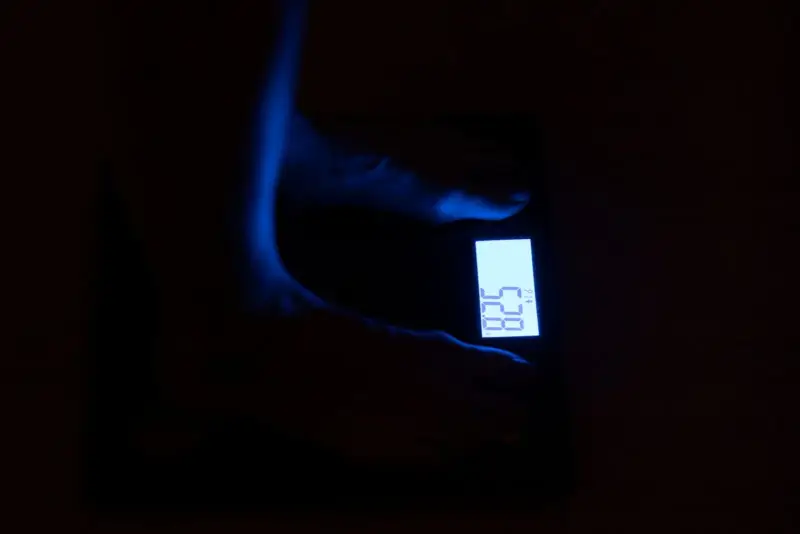
The most common reason for inaccurate readings is an uneven floor surface. Digital scales rely on sensitive load cells located in each foot of the device. If the scale rests on carpet, a rug, or uneven tile, the weight isn’t distributed equally across these sensors. This causes the internal computer to struggle with the calculation, often leading to drifting numbers or error codes.
Another frequent cause is a low battery voltage. While a scale may still power on with weak batteries, it often lacks the power needed to drive the sensors accurately. If the display is dim or flickers when you step on it, the scale can’t calibrate itself correctly. Always use fresh, high-quality alkaline batteries, as rechargeable ones can sometimes have a lower voltage output that confuses the electronics.
Finally, internal hardware failure often occurs if the scale has been dropped or stored in a damp bathroom. Moisture can corrode the delicate circuit board, while drops can physically misalign the load cells.
If the scale consistently shows “Err” or a random number while empty, the internal components have likely suffered permanent damage that can’t be fixed at home. You can find detailed care and maintenance guidelines on the HoMedics official support page to ensure your device remains in good working order.
Reset the scale power and calibration
Performing a hard reset is the first step to clear temporary software glitches. To do this, remove the batteries from the compartment on the underside of the unit. Leave them out for at least 60 seconds to allow the internal capacitors to fully discharge. This forces the scale to lose any corrupted memory of its last calibration.
While the batteries are out, inspect the battery contacts for any white or green powdery buildup. If you see corrosion, gently clean it with a cotton swab dipped in a tiny amount of rubbing alcohol. Once dry, insert brand-new batteries and place the scale on a hard, flat floor, such as wood or tile. Avoid placing it on linoleum or vinyl that has a soft cushion underneath, as these surfaces absorb weight and cause false readings.
For the most accurate calibration, ensure the scale sits on a surface that doesn’t flex under pressure. If your floor has grout lines, place the scale so the feet rest entirely on the tiles rather than bridging a gap.
After putting the batteries back in, the scale usually performs an automatic self-calibration. Step on the scale once to wake it up, then step off and wait for it to return to zero. If it displays “0.0” or “0.00,” the reset was successful. If the screen shows an error code again, the internal load cells may be permanently misaligned. In this case, the hardware has failed, and the scale will need to be replaced.
Check for surface and placement issues
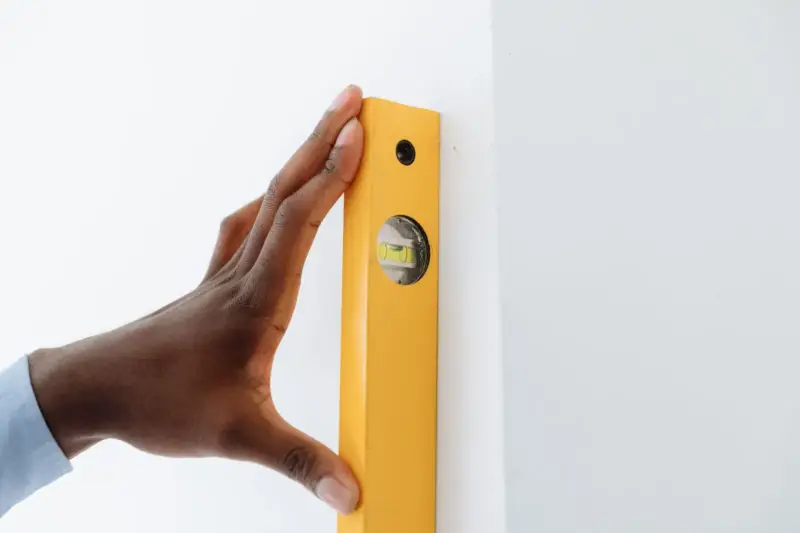
If the scale gives different results each time you step on it, the issue is almost always related to surface stability. A bathroom scale must be on a rigid surface to function.
If you’re using it on a floor with grout lines, try rotating the scale 90 degrees so that all four feet sit on the same tile surface rather than straddling a gap. Carpet or rugs are never acceptable, as the padding compresses unevenly and causes the internal load cells to miscalculate your weight.
Ensure that nothing is touching the sides of the scale while you weigh yourself. Even a small object like a bathroom mat or a towel leaning against the edge creates friction that interferes with the sensors. This is a common mistake that users make, and it often costs them the accuracy of their entire reading.
Always stand in the center of the platform with your weight evenly distributed on both feet. If the scale wobbles, move it to a different, perfectly level location, as shimming the feet will interfere with the accuracy of the load cells.
If you have recently moved the scale, it may need to re-calibrate to the new floor. Press down firmly on one corner of the scale with your hand to trigger the sensor, then let it go.
Wait for the display to turn off completely before stepping on it for your actual measurement. This process helps the scale adjust to the specific level of the floor where it’s currently sitting. If the display shows a blinking zero or a calibration code, the scale has successfully reset its internal baseline.
Address consistent error messages
If your scale displays “Err” or “E” every time you use it, the weight on the platform might be exceeding the maximum capacity of the device. Most standard bathroom scales have a weight limit, which you can check in your specific manual or on the bottom label of the unit. If you’re near the maximum weight, the sensors can’t register additional load.
Another possibility is that the scale is not “zeroing out” before you step on it. If you step on the scale too quickly before it has finished its boot-up sequence, the internal software will throw an error. Wait until you see “0.0” on the screen before placing your full weight on the platform. If the scale stays stuck on a number when you aren’t standing on it, there’s likely debris caught under the platform.
Inspect the gaps between the top platform and the base. Even a small piece of dust or hair trapped in this gap prevents the platform from moving freely. If you can’t clear the debris by gently shaking the scale upside down, the internal mechanism is likely blocked. This is where you must decide if the effort of further cleaning is worth the result, or if it’s time to purchase a new unit.
Common mistakes that ruin accuracy
Placing your HoMedics scale on carpet or a rug creates a soft base that absorbs pressure unevenly. This forces the sensors to compensate for the shifting surface, often inflating your weight by several pounds. Always move the unit to a hard, level floor like tile or hardwood before you step on.
Constant relocation triggers an internal re-calibration process every time the scale detects a shift in position. If you move it, wait for the display to show a steady zero before you step on. Ignoring this step leads to inconsistent readings during your first weigh-in of the day.
Mixing old and new batteries creates a voltage imbalance that causes sensor drift. If your display flickers or shows inconsistent numbers, replace the entire set at once. Using a fresh, matching pair ensures the consistent power flow required for precision tracking.
Maintain your scale for better results
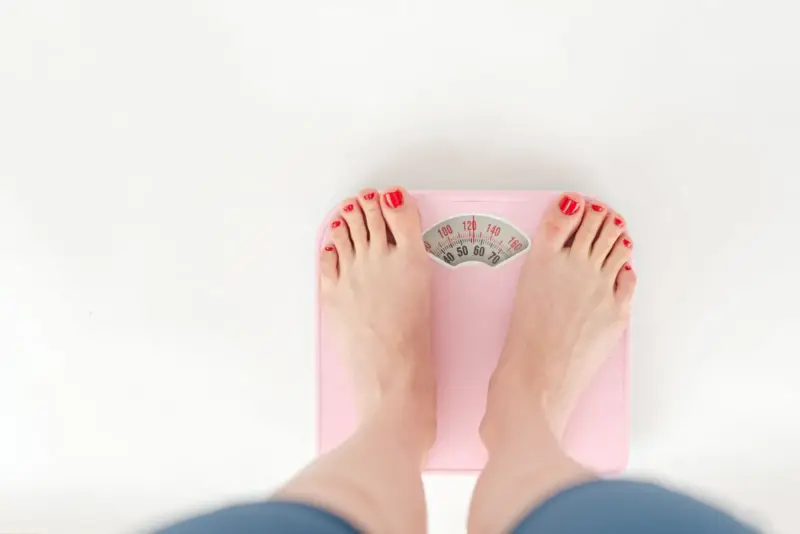
| If you’re doing this | Do this instead | Why |
|---|---|---|
| Weighing on a rug | Use a hard, flat floor | Carpet prevents even sensor contact |
| Storing in the bathroom | Store in a dry area | Humidity corrodes internal electronics |
| Leaving batteries in | Remove during long breaks | Prevents acid leaks and corrosion |
| Moving it often | Keep it in one spot | Calibration stays stable on one floor |
Place your HoMedics scale on tile or hardwood floors only. If you use a rug, the scale’s feet sink unevenly, causing the sensors to miscalculate your weight by as much as five pounds.
If you must move the scale, perform a quick reset. Step on the platform briefly and step off, waiting for the display to show zero before your actual weigh-in. This forces the internal sensors to recalibrate to the new surface.
Avoid storing the unit near showers or sinks. Even minor humidity causes oxidation on the battery terminals, which leads to intermittent power failures. If the screen flickers or fails to turn on, check the battery compartment for white, chalky residue. If you see this, use a dry cotton swab to gently clean the contacts before inserting fresh, high-quality alkaline batteries. Never mix old and new batteries, as this causes uneven voltage drain.
Related guides
Frequently asked questions
How long should the batteries last in my scale?
Batteries typically last between 6 to 12 months with daily use. This duration depends on your weigh-in frequency and the specific battery brand. If the scale sits unused for several months, remove the batteries to prevent leakage that can damage the internal circuit board.
Why does my scale show a different weight every time?
The scale is likely struggling to find a stable zero point because it’s sitting on an uneven or cushioned surface. Move the scale to a solid, level floor like tile or hardwood. Ensure the feet aren’t resting on grout lines or transition strips.
Is it safe to open the scale housing to clean it?
You should never open the plastic housing because it contains delicate, factory-calibrated sensors that can’t be repaired at home. Opening the unit breaks the factory seal and damages the alignment of the load cells. If troubleshooting fails, the internal components have likely failed and the unit needs replacement.
What happens if I exceed the weight capacity?
Exceeding the weight capacity triggers an “Err” code and can cause permanent damage to the internal load cells. Step off the scale immediately if you see this message to prevent further hardware stress. Check the bottom label of your scale for the exact maximum weight limit.
How do I know if the scale is broken?
A scale is broken if it shows error codes, random numbers, or no display after a full power reset with fresh batteries. If the scale gives wildly different weights after three consecutive weigh-ins, the internal sensors are no longer accurate. At this point, the device has reached the end of its life.
Conclusion
If your display still doesn’t show a clear reading, it’s probably time to look for a replacement. Modern scales are quite affordable and often more reliable than older models. Don’t let a faulty device frustrate your progress; you’ll find that upgrading to a newer unit makes tracking your health much easier.