When you notice your hot water running cold or your unit failing to ignite, performing your own bosch on demand water heater troubleshooting can save you significant time and money. These tankless systems are highly efficient, but they rely on specific sensors and water flow requirements to function correctly. By following a systematic approach to identifying the error codes or mechanical symptoms, you can often restore hot water without needing an immediate service call.
Key Takeaways
- Check the inlet water filter for debris, as low flow is the most common cause of ignition failure.
- Verify that your gas supply valve is fully open and that there’s no air trapped in the lines.
- Observe the digital display for specific error codes, which act as a direct guide to the malfunction.
- Ensure the venting system is clear of obstructions to prevent the safety sensor from shutting down the unit.
- Perform a hard reset by disconnecting power for sixty seconds to clear temporary electronic glitches.
Safety: Inside a mains-powered machine, the parts behind the outer cover can hold a dangerous electrical charge even after it has been unplugged — that’s why they sit behind a cover. Opening the housing, or testing or replacing anything behind it, is a job for a qualified technician, never a home repair.
Troubleshooting Bosch Demand Water Heater Ignition Failures
If your unit fails to ignite, the system is likely not detecting sufficient water flow or gas pressure. Tankless heaters require a minimum flow rate, typically around 0.5 gallons per minute, to trigger the burner. If your faucets are clogged with sediment, the heater may never realize you have turned on the hot water tap.
Inspecting the Inlet Filter
The inlet screen is a small mesh filter designed to catch sediment before it enters the heat exchanger. Over time, this screen becomes blocked, restricting the flow of water. To check this, shut off the water supply, unscrew the filter housing at the cold water inlet, and rinse the screen under a faucet. If it appears damaged, replace it immediately to maintain proper water pressure.
Evaluating Gas Supply Issues
If the water is flowing but no flame appears, the gas supply might be the culprit. Listen for a clicking sound when you open a hot water tap; this is the igniter attempting to light the burner. If you hear no clicking, the ignition control module may be failing or the gas solenoid valve isn’t receiving a signal. Verify that your main gas valve is in the “on” position and that no other gas appliances are experiencing similar issues.
Understanding Your Error Codes
Bosch units utilize digital displays to communicate specific faults. When an error code appears, it’s a diagnostic tool designed to pinpoint the exact component that has failed. Most codes relate to either the flame sensor, the water temperature thermistor, or the exhaust gas temperature sensor.
| Error Code | Potential Meaning | Primary Action Required |
|---|---|---|
| E0 | Temperature Sensor Failure | Inspect wiring and replace thermistor |
| E1 | No Flame Detected | Check gas pressure and igniter |
| E2 | Overheat Protection Trip | Flush heat exchanger for scale |
| E3 | Exhaust Blockage Detected | Clear venting and intake pipes |
| E4 | Airflow Sensor Error | Clean the fan and intake vent |
Why Is My Water Lukewarm?
If the unit ignites but the water never reaches the desired temperature, you’re likely dealing with a scaling issue or a mismatched flow rate. Hard water minerals build up inside the heat exchanger, acting as an insulator that prevents the flame from efficiently heating the water. This is a common occurrence in areas with high mineral content in the municipal supply.
Flushing the Heat Exchanger
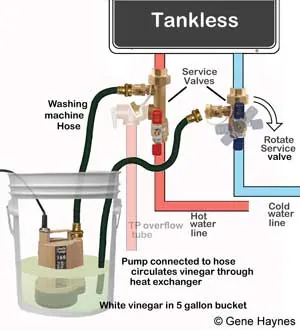
To resolve scale buildup, perform a vinegar flush. Connect a small utility pump to the service valves, circulate food-grade white vinegar through the unit for 45 to 60 minutes, and then flush with clean water. This process removes mineral deposits and restores thermal efficiency to the copper coils. Regular maintenance of this type extends the lifespan of your unit significantly.
How Do I Reset the Unit?
Sometimes the electronic board simply needs a reboot. To perform a hard reset, locate the power cord for the unit and unplug it from the electrical outlet. Wait at least sixty seconds to allow the capacitors to discharge fully. Plug the unit back in and attempt to draw hot water. If the display remains blank or shows a persistent error, the control board may have suffered a surge and requires professional replacement.
Addressing Venting and Airflow
Tankless water heaters require a consistent supply of oxygen to maintain a clean burn. If the air intake is blocked by leaves, debris, or snow, the unit will safely shut down to prevent the buildup of carbon monoxide. Inspect the exterior vent termination to ensure it isn’t obstructed. According to the U.S. Consumer Product Safety Commission, proper venting is critical to preventing the accumulation of dangerous gases within the home.
Pro Tip: Always check the exhaust vent for signs of melting plastic or soot, which indicate that the unit isn’t venting correctly and requires immediate attention from a certified technician.
Is My Flow Rate Sufficient?
Tankless units operate based on demand, meaning they only fire when they sense water moving through the heat exchanger. If you have low water pressure in your home, the heater may struggle to maintain a steady flame. Check your aerators on all faucets; if they’re clogged with debris, they will restrict flow enough to prevent the heater from activating. A simple cleaning of the faucet aerators often solves the issue of the heater not turning on.
Dealing With Cold Water Sandwiches
A “cold water sandwich” occurs when the unit cycles off between short uses, leaving a slug of cold water in the pipes. This isn’t necessarily a malfunction but rather a characteristic of how tankless systems work. To minimize this, try to run multiple taps at once or increase the flow rate to keep the burner engaged. If the issue is severe, installing a recirculation pump can ensure that hot water is always present at the fixture.
When to Call a Professional
While many issues are manageable, some require specialized tools or gas-certified expertise. If you smell gas, hear unusual banging noises inside the unit, or notice leaking water from the internal components, stop your troubleshooting immediately. These symptoms often indicate a compromised heat exchanger or a failing gas valve, both of which pose significant safety risks if handled incorrectly.
| Component | Difficulty | Likely Repair Cost |
|---|---|---|
| Inlet Water Filter | Low | $15 – $45 |
| Temperature Sensor | Medium | $80 – $160 |
| Gas Solenoid Valve | High | $250 – $450 |
| Heat Exchanger | High | $500 – $900 |
Frequently Asked Questions
Why does my heater shut off mid-shower?
This usually happens because the flow rate has dropped below the unit’s minimum requirement or the water temperature is fluctuating. Check if you have other appliances running, such as a dishwasher or washing machine, which might be competing for water pressure. Additionally, ensure the temperature setting on the unit isn’t set too high, which can cause the internal high-limit sensor to trip.
Can I fix a leaking tankless heater?
A leak internal to the unit is often caused by a failed gasket or a cracked heat exchanger. If the leak is coming from the pipe connections, you can tighten the fittings. However, if the leak originates from inside the casing, don’t attempt to patch it. Internal leaks involve sensitive electrical components and gas lines, making it a job for a qualified plumber.
How often should I descale the unit?
You should descale your unit once every twelve months if you have hard water. If your local water supply is exceptionally high in minerals, you may need to perform this maintenance every six months. Using a water softener can also help reduce the frequency of this maintenance by preventing scale buildup before it reaches your heater.
What causes an E3 error code?
An E3 error code indicates a problem with the exhaust or air intake system. This means the unit isn’t receiving enough air for combustion or is unable to vent the exhaust gases properly. Check the vent pipe for blockages, debris, or improper installation. If the vent is clear, the internal fan or the exhaust sensor may be faulty and need replacement.
Is it safe to leave the unit on?
Yes, it’s designed to remain in standby mode when not in use. The unit only consumes electricity for the display and gas for the burner when it senses water flow. Modern units include safety features that automatically shut off the gas supply if a fault is detected, making it safe to leave the unit powered on at all times.
How do I check for gas leaks?
Never use an open flame to check for gas leaks. Instead, use a solution of soapy water applied to the gas connections. If you see bubbles forming, you have a leak. If you smell gas or suspect a leak, immediately turn off the gas supply at the main valve, leave the area, and contact your local utility provider or a licensed professional.
Conclusion
The most effective way to maintain your unit is to establish a routine of cleaning the inlet filter and checking for debris around the exterior vents. By addressing these small maintenance tasks, you prevent the most common mechanical failures that lead to cold water. If you follow these steps and the unit still fails to perform, contact a certified technician to inspect the internal gas and electrical components for safety.