Is your car making strange noises that you just can’t ignore? Those unexpected sounds can be more than just annoying—they might be a warning sign of a bigger problem.
You want to keep your car running smoothly without breaking the bank on repairs. That’s why understanding how to troubleshoot car noises is crucial. In this guide, you’ll learn how to identify common sounds, what they mean, and simple steps you can take to fix them before they turn into costly issues.
Let’s dive in and get your car back to its quiet, reliable self.
Common Car Noises
Cars make many noises. Some sounds are normal. Others mean trouble. Knowing these common noises helps you keep your car safe and working well. Listen closely. Each noise tells a story about your car’s health.
Squealing And Screeching
Squealing often comes from brakes or belts. It sounds high and sharp. Screeching happens when brakes wear out or belts slip. These sounds mean parts need checking soon. Ignoring them can cause damage or accidents.
Grinding Sounds
Grinding noise usually means metal rubbing on metal. It often comes from worn brake pads or a bad clutch. This sound shows parts are very worn and need quick repair. Driving with grinding sounds can be dangerous.
Knocking And Pinging
Knocking sounds come from the engine. It may mean bad fuel or engine trouble. Pinging is a sharp, metallic noise during acceleration. Both noises show problems in engine timing or fuel mixture. Fixing these early saves money.
Hissing And Whistling
Hissing may mean a leak in the cooling system or vacuum. Whistling often comes from air leaks around windows or doors. These sounds can cause poor engine performance or uncomfortable driving. Check seals and hoses to stop the noise.
Rattling And Clunking
Rattling happens when loose parts shake inside the car. Clunking is a heavy, banging sound from suspension or engine mounts. Both noises signal worn or loose components. They affect ride quality and safety. Fix these to avoid bigger problems.
Causes Behind Each Noise
Car noises often signal issues that need attention. Each sound usually points to a specific problem. Identifying the source helps fix the issue faster. Understanding common causes behind noises can save time and money.
Brake Issues
Squealing or grinding noises often mean brake problems. Worn brake pads cause high-pitched sounds. Grinding means the pads are almost gone. It can damage the rotors. Soft or spongy brakes may indicate a leak. Brake noise should never be ignored.
Engine Problems
Knocking or tapping sounds come from the engine. Low oil or bad fuel can cause knocking. Loose belts create squeaking noises. Rattling may mean loose parts inside. Engine noises can signal serious damage. Early checks prevent costly repairs.
Exhaust System Faults
Loud rumbling or hissing noises come from the exhaust. Holes or cracks cause leaks. A loose exhaust system can rattle on the road. Strange smells often join these sounds. Faulty exhaust parts affect performance and fuel efficiency.
Suspension And Steering
Creaking or clunking noises occur in suspension or steering. Worn bushings or ball joints cause clunks. Dry joints create creaks when turning. Noisy shocks or struts affect ride comfort. These sounds warn of unsafe driving conditions.
Tire And Wheel Concerns
Thumping or humming noises may come from tires. Uneven wear causes vibration and noise. Loose or damaged wheel bearings create grinding sounds. Proper tire pressure reduces unusual noises. Regular tire checks keep rides smooth and quiet.
Quick Diagnostic Tips
Car noises can be worrying. Quick checks help find the source fast. Simple steps save time and money. Start with your ears and eyes. Tools can help, too. Know when to ask a mechanic for help.
Listening Techniques
Turn off all music and engine sounds. Listen carefully to the noise. Notice when it happens. While starting, driving, or stopping? Try to describe the sound. Is it a squeak, knock, or rattle? Pinpoint the noise location. Front, back, left, or right? This helps narrow the problem.
Visual Inspections
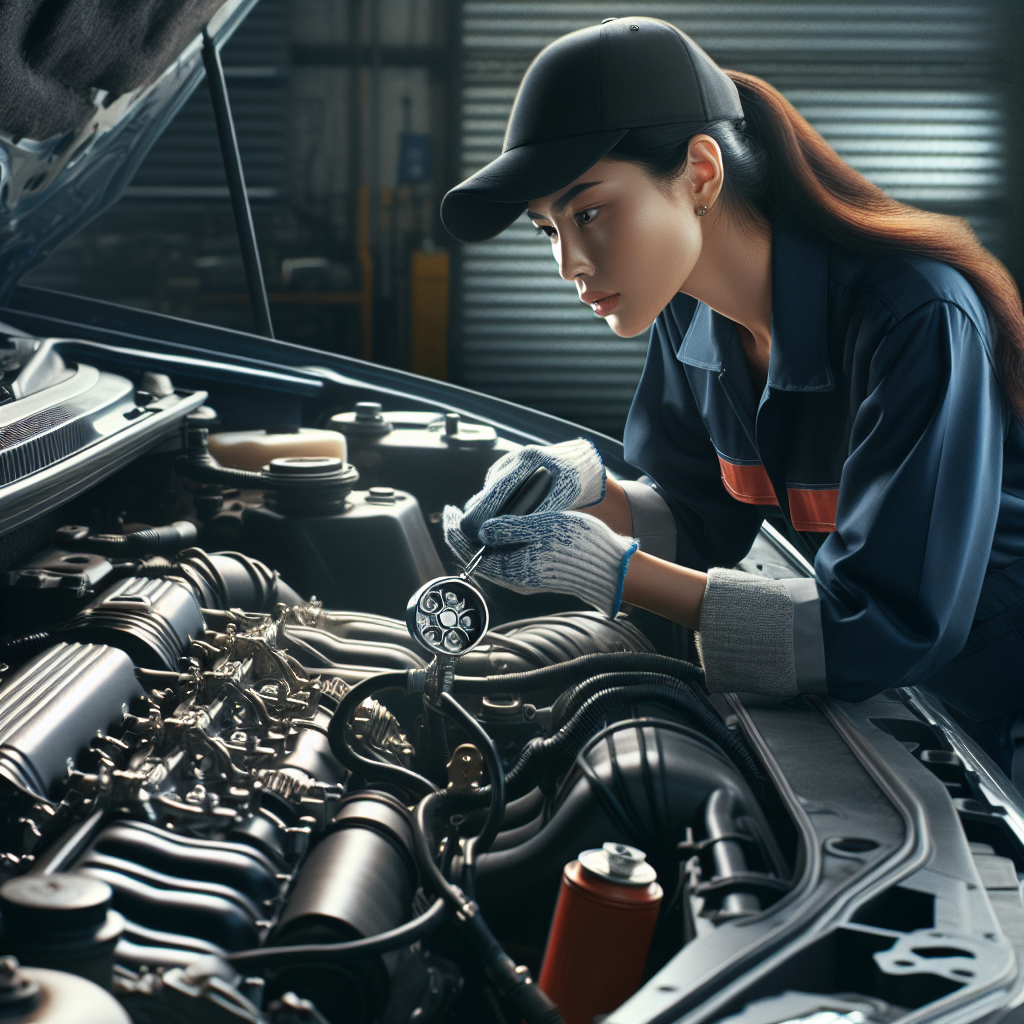
Check under the hood with the engine off. Look for loose or broken parts. Check belts for cracks or wear. Look at tires and brakes. Watch for leaks or drips under the car. Look for anything unusual or out of place. Sometimes seeing the problem is easy.
Using Basic Tools
Use a flashlight to see better. A screwdriver can test if parts move too much. Use a wrench to check tightness of bolts. Gloves protect your hands. A stethoscope tool helps find engine noises. Basic tools make checks safer and easier.
When To Consult A Mechanic
Some noises mean serious trouble. If the noise is loud or sudden, stop driving. Strange smells or smoke need urgent attention. If you cannot find the cause, ask a mechanic. Professional help avoids bigger damage. Mechanics have tools and skills for tough problems.
Easy Fixes For Squealing
Squealing noises from a car can be annoying and worrying. They often signal small problems that need quick attention. Fixing these squeals early saves money and keeps your car safe. This section covers simple ways to stop squealing sounds fast.
Brake Pad Replacement
Squeals often come from worn brake pads. Brake pads wear down with use and lose their grip. Thin pads make a high-pitched noise when braking. Check the pads regularly for wear or damage. Replace them if they look thin or cracked. New pads stop the noise and improve braking safety.
Belt Adjustments
Loose or worn belts cause a loud squeal from the engine. Belts drive parts like the alternator and power steering. Over time, belts stretch or get cracks. Tightening or replacing belts stops the squealing sound. Check belt tension and condition every few months. Adjust or swap belts to keep them tight and smooth.
Lubrication Points
Some squeals come from dry moving parts. Hinges, joints, and pulleys need regular lubrication. Apply grease or oil to these points to reduce friction. Lubricated parts move quietly and last longer. Use the right lubricant for each part. Regular lubrication keeps your car running smoothly and quietly.
Fixes For Grinding And Knocking
Grinding and knocking noises in a car can signal serious issues. These sounds often come from worn parts or lack of maintenance. Fixing them early prevents costly repairs and keeps your car safe. Below are simple steps to address these noises effectively.
Checking Brake Rotors
Grinding noises often come from damaged brake rotors. Rotors wear out with use and cause rough sounds when braking. Inspect the rotors for grooves, rust, or warping. Replace or resurface them if they look worn. Clean brake pads and check for uneven wear. Proper rotor care stops grinding and ensures smooth braking.
Engine Oil Changes
Knocking sounds can result from old or low engine oil. Oil lubricates engine parts and reduces friction. Change engine oil regularly as recommended by your car’s manual. Use the correct oil type for your vehicle. Fresh oil protects the engine and lowers knocking sounds. Check oil levels often to avoid damage.
Spark Plug Maintenance
Faulty spark plugs cause knocking noises during acceleration. Spark plugs ignite the fuel-air mix in the engine. Dirty or worn plugs misfire and create knocking. Remove and inspect spark plugs every 30,000 miles. Replace plugs with new ones matching your car’s specs. Clean plugs improve engine performance and reduce noise.
Addressing Hissing And Whistling
Hissing and whistling noises from a car can signal various problems. These sounds often come from air or gas leaks. Detecting the exact source helps prevent further damage. Timely repairs keep your car safe and quiet. Below are key areas to check and fix.
Seal And Gasket Repairs
Seals and gaskets stop air and fluids from escaping. Over time, they wear out or crack. This causes hissing noises around the engine or doors. Check rubber seals and gaskets for damage or looseness. Replace any that look old or broken. New seals stop leaks and reduce noise quickly.
Exhaust Leak Solutions
An exhaust leak often creates a sharp whistle or hiss. Leaks happen at joints, pipes, or the muffler. Inspect the exhaust system for holes or rust spots. Tighten loose clamps or replace damaged parts. Fixing leaks improves engine performance and lowers noise levels.
Air Intake Checks
The air intake system moves air into the engine. Cracks or loose parts here cause hissing sounds. Look for broken hoses or loose clamps. Clean or replace dirty filters to keep airflow steady. Proper air intake stops unwanted noises and helps the engine run smoothly.
Handling Rattling And Clunking
Rattling and clunking noises in a car can be worrying. These sounds often signal loose or damaged parts. Identifying the source helps prevent bigger problems and costly repairs. Start by checking common areas where these noises happen.
Tightening Loose Parts
Loose bolts and screws cause rattling sounds. Check the engine bay, doors, and trunk areas. Use a wrench or screwdriver to tighten any loose parts. Pay attention to heat shields and exhaust components. These parts often loosen over time and cause noise. Regular tightening keeps the car quiet and safe.
Suspension Component Checks
Suspension parts can create clunking noises when worn out. Inspect shocks, struts, and control arms for damage. Look for broken bushings or loose joints. Worn suspension parts affect driving comfort and safety. Replace any faulty components to stop the noise and improve handling.
Wheel Bearing Inspection
Bad wheel bearings often cause a grinding or clunking sound. Lift the car and spin each wheel by hand. Listen for roughness or noise. Check for play by shaking the wheel. Worn bearings need quick replacement. Ignoring this can lead to wheel failure and accidents.
Preventive Measures
Preventing car noises is easier than fixing them later. Taking simple steps can keep your car quiet and smooth. These steps help spot problems early and avoid costly repairs.
Regular Maintenance Schedule
Check your car often. Follow the service plan in your owner’s manual. Change oil and filters on time. Inspect brakes, belts, and tires regularly. Clean parts that get dirty. Routine checks stop noise issues before they start.
Proper Driving Habits
Drive gently to protect your car. Avoid sudden stops and fast turns. Don’t overload your vehicle. Use smooth acceleration and braking. Good driving reduces wear on parts and lowers noise risks. It keeps your car’s engine and suspension healthy.
Using Quality Parts
Choose parts made by trusted brands. Cheap parts may cause more noise and break faster. Quality parts fit better and work well. Replace worn parts quickly with good materials. This keeps your car running quietly and safely.
Tools For Noise Troubleshooting
Car noises can signal issues that need attention. Identifying the source requires the right tools. These tools help you listen, find, and fix problems fast. Using proper equipment saves time and cost. It also prevents small problems from growing.
Basic Diagnostic Tools
Start with simple tools like a flashlight and mechanic’s stethoscope. A flashlight helps spot loose parts or leaks. The stethoscope pinpoints noises in tight spaces. Wrenches and screwdrivers let you check and tighten bolts. These basics are essential for any noise check.
Sound Detection Apps
Smartphones have apps to detect car noises. These apps record and analyze sounds clearly. They show frequency and intensity of noises. This info guides you to the problem area. Some apps even compare sounds to common car issues. They are handy and easy to use.
Professional Equipment
Mechanics use advanced tools for tough noise problems. Electronic noise analyzers measure sound precisely. Vibration testers find hidden engine or suspension faults. These tools offer detailed data for accurate fixes. Using them may require training or a professional’s help.
Frequently Asked Questions
What Causes A Squealing Noise When Starting My Car?
A squealing sound often means a loose or worn drive belt. It may slip or need replacing to stop the noise.
Why Does My Car Make Grinding Noises When Braking?
Grinding usually means brake pads are worn down. This noise signals you should check and replace brake pads soon.
What Does A Knocking Noise From The Engine Indicate?
Engine knocking can show problems like bad fuel or worn engine parts. It’s best to have a mechanic inspect it quickly.
Why Is My Car Making A Humming Noise At High Speeds?
A humming noise at high speed often comes from worn wheel bearings or tires. Checking these parts can help find the issue.
What Should I Do If My Car Makes Rattling Sounds Inside?
Rattling inside the car may mean loose parts or heat shields. Tightening or fixing these can usually stop the noise.
Conclusion
Car noises can signal many different problems. Paying attention helps you find issues early. Fixing noises quickly saves money and stress. Some sounds mean simple fixes, others need expert help. Always check your car’s condition regularly. Stay safe by addressing strange noises soon.
Understanding your car’s sounds keeps it running well. Don’t ignore unusual noises; act to avoid bigger trouble. Keep your car quiet and smooth for better drives. Regular care helps your vehicle last longer and perform better.