You can fix most issues with your cleaning system by performing basic caretaker pool system troubleshooting to check for debris or water flow problems. The most common cause of a failing cleaning system is a clogged debris canister or a blocked valve mechanism. If your system isn’t moving as it should, always start by checking the filter pressure and the basket at the pump. These simple steps often restore full function without needing a technician or any special tools.
Why the caretaker pool system needs troubleshooting
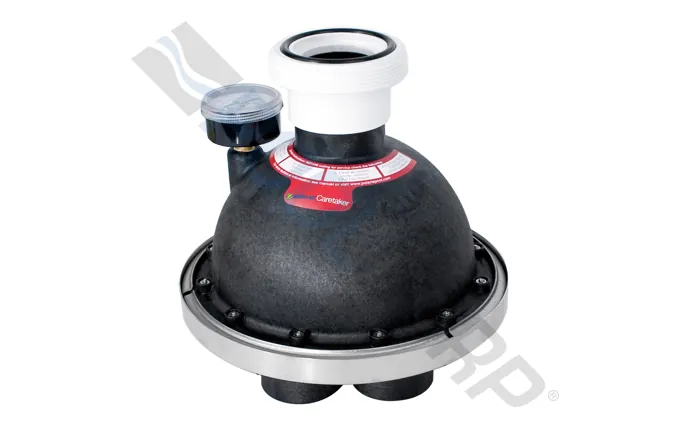
The main reason your system stops is usually a lack of water pressure or a physical blockage. Your pool pump is the heart of the system, and it must push enough water to move the cleaning heads.
If the pump basket is full of leaves or the main filter is dirty, the pressure drops too low to activate the valves. You can check your pump’s health by looking at the pressure gauge; if it’s higher than the normal operating range, your filter needs cleaning.
Another common cause is debris trapped in the valve housing. The system uses a water-driven valve to send pressure to different zones of the pool. If a small twig or piece of plastic gets stuck inside this valve, it will stop rotating. This prevents water from reaching the cleaning heads, leaving parts of your pool dirty.
You can often hear if the valve is stuck; a healthy system makes a soft, rhythmic clicking or shifting sound. If you hear a loud grinding or no sound at all, the internal gears or the valve itself may be obstructed.
Finally, check for air in the system. If your pump lid O-ring is old or cracked, it can suck air into the pipes. This air creates bubbles that stop the valve from turning properly. When air builds up, the system loses its power to pop up the cleaning heads. You can verify this by checking the pump basket for air bubbles or water levels that look low.
Clear the pump and filter first
To start, turn off your pool pump completely before you touch any equipment. Start by opening the pump lid and clearing the hair and lint basket of any debris. A clogged basket is the most frequent reason for low flow. If the basket is clear, check your main filter pressure gauge.
If the filter pressure is high, you must backwash or clean your filter media according to the manufacturer’s instructions. Don’t run the pump with a dirty filter, as this puts extra strain on the motor and reduces the cleaning power. After cleaning the filter, turn the system back on and watch the pressure gauge. If the pressure returns to the normal range, your cleaning heads should start popping up again.
This fix is for anyone who notices the cleaning heads aren’t rising or the water flow feels weak. If you clean the basket and the filter but the system still doesn’t move, the problem is likely inside the valve or the plumbing lines. In that case, don’t force the system to run. Stop the pump and call a certified pool technician, as opening the valve housing requires specific knowledge to avoid damaging the internal seals.
Inspect the debris canister for clogs
Locate the debris canister, which is usually installed in the deck near the pool edge. This canister catches the dirt that the cleaning heads pull off the floor. If this canister is packed tight with leaves, the water flow will slow to a crawl. Lift the lid, remove the basket, and wash it out with a garden hose until it’s completely clear.
When you put the basket back, ensure it’s seated correctly. If it sits crooked, water will bypass the basket and send debris directly into your valve system. This is a common mistake that can jam the internal rotor of your valve, leading to a much more expensive repair. Check that the O-ring under the canister lid is clean and not pinched, as a bad seal here will also leak water and reduce your cleaning pressure.
This step is for those who see the system running but notice it isn’t picking up dirt effectively. If you find the canister is clean but the heads still don’t move, check the return lines at the edge of the pool.
If one head is stuck in the “up” position, it may have a rock or sand trapped under the seal. Gently press down on the head to see if it moves freely. If it feels gritty, try to flush the area with a hose, but don’t pry it open with tools.
Check for air leaks in the plumbing
Air leaks are silent killers for pool cleaning systems. If your pump lid or the union connections near the pump are loose, air enters the line. This air gathers in the high points of your plumbing and creates a pocket that stops the valve from shifting. Inspect the pump lid O-ring for cracks or dry rot. If the rubber feels hard or brittle, it’s time for a replacement.
You can test for air leaks by watching the pump basket while the system is running. If you see a constant stream of bubbles or the water level drops below the top of the basket, you have a leak. Tighten any loose unions by hand, but don’t use a pipe wrench, as this can crack the plastic fittings. If you still see bubbles, the O-ring likely needs a light coating of silicone-based lubricant.
This fix is for users who see bubbles or hear a “hissing” sound near the pump. If you have replaced the O-ring and tightened the unions but the bubbles remain, the leak might be underground or in the suction pipe. This isn’t a task for a homeowner. You should contact a professional plumber or pool specialist who has the equipment to perform a pressure test on your pipes.
What not to do
- Never use metal tools to pry open a stuck cleaning head, as this will damage the pool finish and the plastic housing.
- Avoid adding extra chemicals to “clear” the lines, as these don’t remove physical debris and can damage your pump seals.
- Don’t leave the pump running if the system is making a loud grinding or banging noise, as this indicates internal gear damage that will get worse.
- Never open the valve housing if you aren’t comfortable with plumbing, as the internal components are delicate and hard to replace if broken.
- Don’t ignore a high pressure reading on your filter gauge, as this can cause your filter tank or pipes to fail under pressure.
How to stop it happening again
Consistent maintenance is the only way to keep your system running reliably. You should check your baskets and filter pressure weekly to catch small issues before they become major repairs.
| If you’re doing this | Do this instead | Why |
|---|---|---|
| Ignoring the pressure gauge | Check it every week | High pressure signals a dirty filter |
| Letting the pump basket fill | Clean it weekly | Debris restricts flow to the valves |
| Using tools to force parts | Clean by hand or hose | Tools crack plastic and damage seals |
| Ignoring air bubbles | Check O-rings and unions | Air stops the valves from shifting |
The most expensive mistake people make here is treating the pressure gauge as decorative. When the needle climbs ten psi above your clean baseline, backwash immediately. Waiting another week forces the pump to work against that resistance, burning extra electricity daily.
You can tell which problem you have by listening to the return jets. A steady hiss means air is entering through a dried suction-side union. A gurgling sound usually points to low water level pulling air down the skimmer throat.
If the actuator feels stiff, don’t reach for pliers. Hand-tighten only until the seal compresses.
Frequently asked questions
How often should I clean the debris canister?
Clean the debris canister weekly or whenever the pool floor appears dirty. A full canister restricts water flow, forcing the system to work harder and causing premature motor wear. Check the basket more frequently during autumn or after storms if trees surround your pool.
Can I fix a stuck valve myself?
No, you shouldn’t attempt to open or repair the internal valve mechanism yourself. These valves have specific timing gears and seals that require professional training to align correctly. If you try to open the housing, you risk voiding your warranty or causing a leak that’s difficult to fix. If your valve isn’t shifting, call a licensed pool professional to inspect the internal gears and replace any worn parts.
How do I know if my pump is the problem?
Your pump is likely failing if you see air bubbles, hear loud whining, or notice the pressure gauge remains stationary. A healthy pump maintains steady pressure and operates quietly. Check your electrical breaker and the pump basket before assuming the motor itself has failed.
What causes the cleaning heads to stay up?
Cleaning heads stay up because debris like sand or twigs is caught under the seal. This prevents the head from sitting flush, causing water leaks and a loss of retraction pressure. If flushing the area with a hose fails, the internal spring may require professional replacement.
Is it safe to leave the system off for a few days?
Yes, it’s safe to leave the cleaning system off for a few days while waiting for repairs. Your pool remains safe as long as the main pump continues to filter and sanitize the water. Ensure your pump maintains its daily cycle to prevent algae growth.
Conclusion
Maintaining a clean pool is about regular habits rather than complex repairs. By keeping your baskets clear and watching your pressure gauge, you can avoid most common system failures. If you ever feel unsure about a step, it’s always better to contact a professional rather than risk a costly mistake.
Related guides