Is your clothes washer acting up and leaving you frustrated? You rely on it every day to keep your clothes clean, but when it stops working properly, it can throw off your entire routine.
Don’t worry—you’re not alone, and many common washer problems have simple fixes. In this guide, you’ll discover easy troubleshooting tips that can save you time, money, and hassle. Keep reading to get your washer back in top shape without calling a repair service right away.
Washer Won’t Start
A washer that won’t start can be frustrating. It stops your laundry and wastes time. Finding the cause is the first step. Simple checks can often fix the problem without calling a technician. Follow these steps to troubleshoot your washer.
Check Power Supply
Make sure the washer is plugged in securely. Check the outlet by plugging in another device. Look at your home’s circuit breaker or fuse box. A tripped breaker or blown fuse can cut power to the washer. Reset the breaker or replace the fuse if needed.
Inspect Door Lock
The washer will not start if the door is open or not locked properly. Check if the door closes firmly. Look for any damage to the door latch or lock. Clean any dirt or debris that might block the lock mechanism. Replace the door lock if it is broken.
Test Control Settings
Make sure you selected the correct cycle and pressed the start button. Some washers have a child lock feature. This can prevent the washer from starting. Check the control panel for error messages or blinking lights. Reset the controls by unplugging the washer for a few minutes.
Washer Won’t Drain
A washer that won’t drain stops your laundry routine cold. Water stays inside the drum, leaving clothes wet and heavy. This problem can happen for a few reasons. Fixing it often means checking a few simple parts.
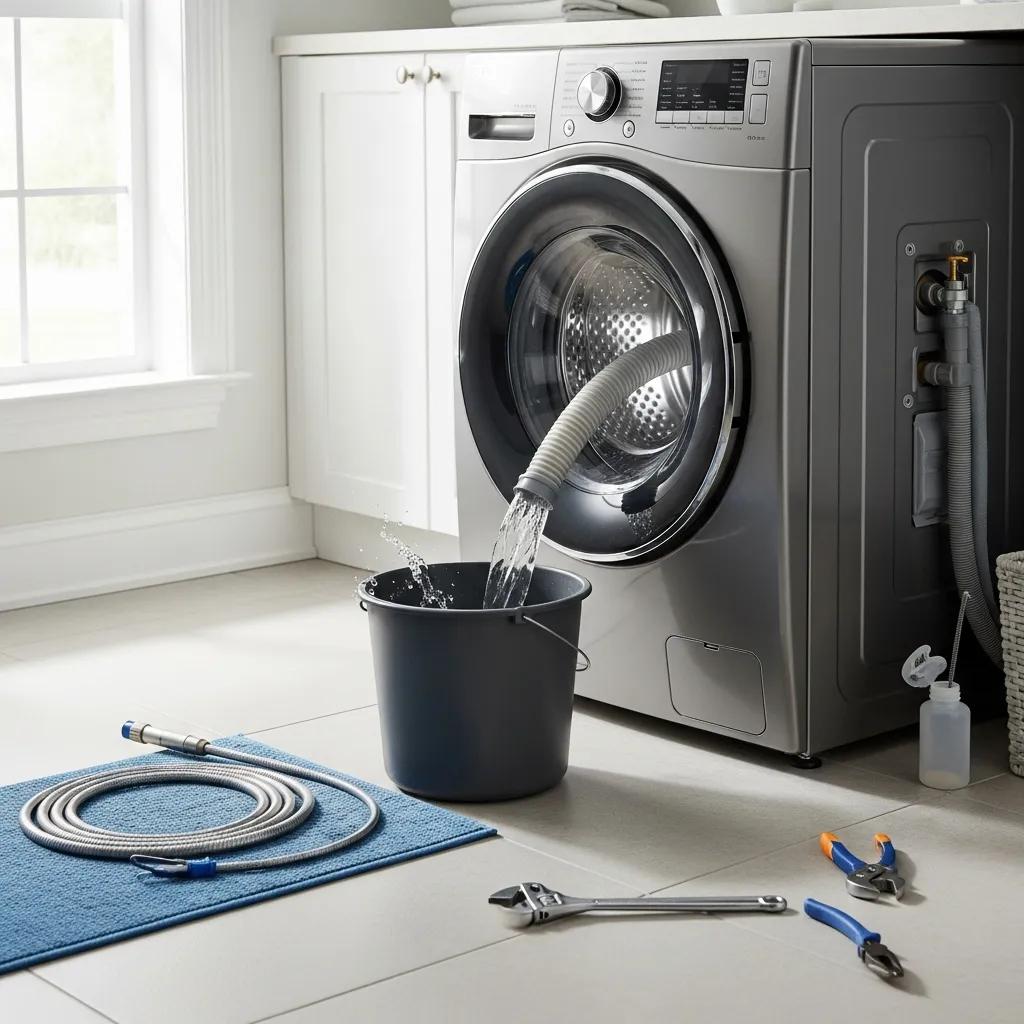
Clear Drain Hose
The drain hose carries water out of the washer. It can get blocked by dirt or small items. Check the hose for kinks or clogs. Remove the hose and run water through it. Clear any blockages to help water flow freely.
Clean Pump Filter
The pump filter catches lint and debris. A dirty filter can stop the water from draining. Locate the filter, usually near the bottom front of the washer. Open it carefully and clean out any buildup. Rinse the filter under running water before putting it back.
Check Drain Pump
The drain pump moves water out of the washer. It can fail or get stuck. Listen for a humming sound when the washer tries to drain. If silent, the pump may need replacing. Remove the pump and check for broken parts or blockages.
Washer Won’t Spin
A washer that won’t spin stops the cleaning process. Clothes stay wet and heavy. This can cause delays and frustration. Several simple checks can often fix this problem. Some repairs you can do yourself. Others may need a professional.
Balance The Load
Uneven clothes inside the drum cause no spin. Large or heavy items can make the washer unbalanced. Try redistributing clothes evenly around the drum. Avoid washing a single heavy item alone. Add a few smaller items to balance the load. This helps the washer spin smoothly and finish the cycle.
Examine Drive Belt
The drive belt turns the drum during spinning. A loose or broken belt stops the spin cycle. Unplug the washer before checking the belt. Remove the back panel to see the belt. Look for cracks, wear, or slack. Replace the belt if damaged or loose. This fix often restores the washer’s spinning power.
Inspect Lid Switch
The lid switch tells the washer if the lid is closed. A faulty switch prevents spinning for safety. Press the lid switch manually; hear a click sound. No click means the switch might be broken. Test the switch with a multimeter for electrical faults. Replace a bad lid switch to restart spinning.

Washer Leaks Water
Water leaking from a clothes washer can cause damage and mess. It also wastes water and energy. Finding the leak source quickly helps prevent bigger problems. Several parts of the washer may cause leaks. Checking these parts step-by-step helps find the problem fast.
Inspect Hoses And Connections
Hoses carry water in and out of the washer. Check both the inlet and drain hoses for cracks or holes. Make sure hose connections are tight and secure. Loose or damaged hoses often cause leaks. Replace any worn or cracked hoses immediately. Tighten loose connections with a wrench but avoid over-tightening.
Check Door Seal
The door seal keeps water inside the washer drum. Dirt, soap, or damage can cause leaks here. Inspect the rubber seal around the door for tears or gaps. Clean the seal with a damp cloth to remove residue. A damaged seal must be replaced to stop leaks. Ensure the door closes fully and locks properly.
Examine Detergent Drawer
The detergent drawer delivers soap and water into the drum. Clogs or buildup can cause overflow and leaks. Remove the drawer and clean it with warm water. Clear any soap scum or debris blocking the flow. Check the drawer’s seal and replace it if worn. Make sure the drawer fits correctly before closing.
Washer Makes Loud Noises
Loud noises from your clothes washer can be alarming. These sounds often signal an issue that needs attention. Ignoring the noise may lead to bigger problems or damage. Identifying the source helps fix the washer and avoid costly repairs.
Remove Foreign Objects
Small items like coins or buttons can get stuck inside the drum. These objects hit the drum or the tub during the spin cycle. This causes loud banging or rattling sounds. Check the drum carefully and remove any trapped items. Cleaning the drum regularly helps prevent noise.
Check Drum Bearings
Worn drum bearings cause a loud rumbling noise. Bearings support the drum and help it spin smoothly. Over time, water and wear can damage them. To check, turn the drum by hand and listen for grinding sounds. Damaged bearings need replacement to stop the noise.
Inspect Motor Coupling
The motor coupling connects the motor to the washer’s transmission. It can wear out or break after long use. A damaged coupling causes loud clunking or knocking noises. Inspect the coupling for cracks or breaks. Replace it to restore quiet operation.

Washer Has Bad Odor
A bad smell from a clothes washer can ruin fresh laundry. It often means bacteria or mold is growing inside. This problem happens more with front-load washers but can affect any type. A bad odor needs quick attention to keep clothes smelling clean.
Run Cleaning Cycle
Most washers have a cleaning cycle. Use it regularly to kill germs and remove buildup. Run the cycle with hot water and no clothes inside. Add a washer cleaner or a cup of white vinegar. This helps clear soap scum and mold from the drum.
Leave Door Open
After each wash, leave the door open for a while. This lets air dry the inside of the washer. Moisture trapped inside causes mold and bad smells. Keeping the door open helps prevent mildew growth and keeps the washer fresh.
Use Proper Detergent
Use the right detergent for your washer type. High-efficiency (HE) washers need HE detergent. Using too much detergent creates extra suds. These suds trap dirt and cause odor. Follow the detergent instructions carefully to avoid buildup.
Frequently Asked Questions
Why Is My Clothes Washer Not Draining Water?
A clogged drain hose or pump often causes water to stay in the washer. Check for blockages and clean the drain filter regularly.
How To Fix A Clothes Washer That Won’t Spin?
A broken lid switch or unbalanced load usually stops spinning. Make sure the lid is closed and clothes are spread evenly.
What Causes A Washer To Make Loud Noises During Cycles?
Objects like coins or buttons can get stuck in the drum or pump. Remove items and check for loose parts or worn belts.
Why Does My Washer Smell Bad After Use?
Mold and mildew grow from leftover water and detergent residue. Leave the door open after washing and clean the gasket often.
How Can I Prevent My Washer From Shaking Too Much?
Uneven flooring or an unbalanced load causes shaking. Level the washer feet and distribute clothes evenly inside the drum.
Conclusion
Troubleshooting your clothes washer can save time and money. Small issues often have simple fixes. Check hoses, filters, and power supply first. Clean the washer regularly to avoid problems. Listen for unusual sounds during cycles. Understand basic error codes your machine shows.
Fixing minor problems keeps your washer working longer. Stay calm, follow steps carefully, and be patient. You can handle many common washer issues yourself. Regular care helps your clothes come out clean every time.