Dealing with a marine or RV sanitation system can be intimidating, but understanding the mechanics behind your unit makes dometic macerator toilet troubleshooting a manageable task. These systems rely on high-speed blades to liquefy waste, allowing it to be pumped through small-diameter discharge hoses. When the system fails to flush, makes unusual grinding noises, or leaks, the root cause is often a simple obstruction or a minor electrical fault. By systematically checking your power, water supply, and pump integrity, you can resolve the majority of common issues without needing a professional technician.
Key Takeaways
- Verify that the DC power supply is between 12 and 14 volts to prevent motor stalling.
- Check the macerator blades for debris like wet wipes, feminine hygiene products, or dental floss.
- Listen for the sound of the motor; a humming sound without spinning suggests a jammed impeller.
- Inspect the vent line for blockages, as a vacuum lock can prevent the toilet from flushing.
- Keep a supply of dedicated marine-grade toilet paper to prevent internal blockages and pump strain.
Why Won’t My Toilet Flush?
The most frequent cause for a failure to flush is a clogged discharge line or a jammed macerator blade. If the control panel light is on but the pump is silent, the issue is likely electrical. If the motor hums but the water level doesn’t drop, the pump is likely blocked by a foreign object.
Dometic Macerator Toilet Electrical Troubleshooting
Mechanical Obstructions
If you suspect a physical blockage, you must isolate the pump. Before opening any plumbing, ensure the holding tank isn’t full. A full tank creates backpressure that prevents the macerator from moving contents out of the bowl.
| Symptom | Primary Suspect | Action Required |
|---|---|---|
| No power light | Blown fuse or breaker | Replace fuse; check wire terminals |
| Motor hums/stalls | Jammed macerator blades | Clear debris from the pump housing |
| Slow drainage | Clogged vent line | Clear debris from the exterior vent |
| Water leaks | Worn bowl seal | Replace the gasket or seal kit |
Clearing the Macerator Blades
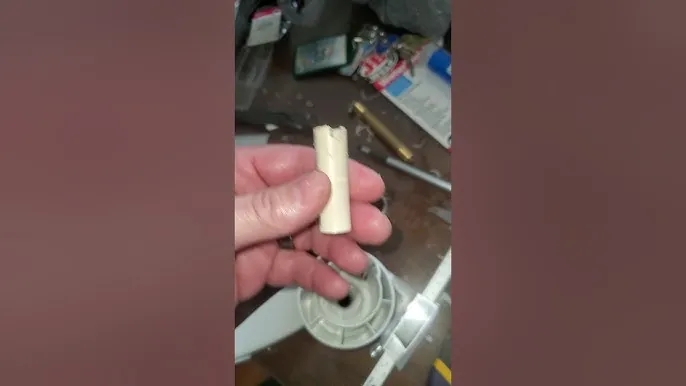
When non-flushable items enter the bowl, they wrap around the blades, preventing rotation. Warning: Always disconnect the power supply to the toilet before attempting to clear debris from the macerator to prevent accidental activation of the blades. Use a long-handled tool or needle-nose pliers to reach into the discharge opening. If the obstruction is stubborn, you may need to remove the pump housing from the base of the toilet to gain direct access to the stainless steel cutters.
Is My Vent Line Clogged?
A blocked vent line is a common oversight. If the air can’t escape the holding tank while the pump forces waste in, the system creates a vacuum. This pressure differential makes it nearly impossible for the pump to move waste. Inspect the exterior vent fitting for mud dauber nests, spider webs, or salt crystallization. You can find specific guidance on system installation and maintenance requirements in the Dometic MasterFlush toilet installation manual.
What About Water Leaks?
Water pooling around the base of the toilet usually points to a compromised floor flange seal or a loose water inlet connection. If the leak occurs only during a flush, check the vacuum breaker or the water solenoid valve. These components are plastic and can become brittle or crack over time. If you notice water appearing inside the bowl after a flush, the joker valve may be failing to hold the vacuum, allowing water to trickle back in.
Common Electrical Faults
If your wall switch is unresponsive, the issue could be the control module itself. These modules manage the timing of the water flush and the macerator run cycle. If the module fails, the pump may run continuously or not at all. Inspect the wire harness for signs of corrosion, as the humid environment of a head or bathroom often leads to terminal oxidation. Cleaning these contacts with a non-conductive electrical cleaner can often restore functionality.
Proper Maintenance Procedures
Preventing future issues is easier than performing emergency repairs. Use only high-quality, fast-dissolving tissue designed for marine sanitation. Avoid using standard household toilet paper, as the fibers don’t break down quickly enough for macerator systems. Additionally, perform a “fresh water flush” at the end of every trip to ensure all waste is cleared from the discharge hose, preventing the buildup of scale that can narrow the pipe diameter over time.
Recommended Tool Kit
To handle most repairs, keep a dedicated bag of tools near the sanitation system. You don’t need industrial equipment, but having the right specialized items saves hours of frustration.
- Needle-nose pliers for clearing debris.
- Adjustable wrench for tightening plumbing unions.
- Replacement fuse kit matching the manufacturer’s amperage.
- Plumber’s silicone grease for lubricating rubber seals.
Understanding the Joker Valve
The joker valve acts as a one-way check valve, allowing waste to exit the pump while preventing it from flowing back into the bowl. If this valve becomes stiff or develops a tear, the toilet will lose its priming ability. A failing joker valve is often the reason for odors in the bathroom, as it no longer creates an airtight seal between the holding tank and the bowl. Replace this item annually if the toilet is used frequently.
Managing Odors and Sanitation
If your system smells, it’s rarely the toilet itself but rather the discharge hoses. Over time, the rubber walls of sanitation hoses become porous, allowing odors to permeate the material. If cleaning the bowl and the tank doesn’t solve the smell, consider upgrading to high-quality, odor-resistant sanitation hose. This is a labor-intensive job but provides a permanent solution to persistent bathroom odors that standard cleaning products can’t touch.
Troubleshooting Motor Noises
A healthy macerator should emit a steady, high-pitched whirring sound. A change in tone indicates a problem. A grinding noise suggests that hard debris, such as a plastic piece or a coin, is trapped in the cutters. A high-pitched squeal often points to a failing motor bearing. If you hear a clunking sound, the impeller blades may be loose on the shaft, requiring immediate tightening or replacement to prevent the motor from seizing under load.
Identifying Plumbing Airlocks
Sometimes, an airlock occurs in the discharge hose, especially if the hose has a low spot where liquid sits. If the pump is spinning but nothing is moving, try to “prime” the system by pouring a bucket of water into the bowl to force air out.
If the system has a long, horizontal run of hose, check that it maintains a consistent downward slope. Any section of the hose that rises higher than the discharge outlet creates a trap that makes the pump work significantly harder.
Frequently Asked Questions
How do I know if my macerator motor is burnt out?
If the motor is receiving the correct voltage but doesn’t hum, click, or show any signs of movement, the internal windings may be damaged. A burnt-out motor will often have a distinct, acrid electrical smell. Before replacing the entire unit, ensure the impeller isn’t physically seized by debris, as a jammed motor can sometimes mimic a dead unit.
Can I use household drain cleaners in my toilet?
Never use harsh household chemical drain cleaners or bleach-based products in a macerator toilet. These chemicals can damage the rubber gaskets, seals, and the joker valve, leading to premature leaks and system failure. Always use cleaning agents specifically labeled as safe for marine or RV sanitation systems to protect the internal components and the integrity of your holding tank.
Why does my toilet keep running after a flush?
A toilet that runs continuously is usually suffering from a faulty control module or a stuck water solenoid valve. If the water continues to flow into the bowl, the solenoid is likely stuck in the open position due to debris in the water line. If the macerator motor keeps running, the control module is likely failing to receive the “stop” signal, requiring a replacement of the switch or module.
How often should I perform preventive maintenance?
For a full-time user, a quarterly inspection is ideal. For occasional users, check the system at the start and end of every season. This includes checking the tightness of all hose clamps, inspecting the joker valve for wear, and testing the macerator for smooth operation. Regular maintenance prevents the accumulation of scale, which is the primary cause of long-term pump inefficiency and eventual motor strain.
Is it normal for the toilet to make a loud noise?
While macerators are inherently louder than gravity-flush toilets, a sudden increase in volume is a warning sign. A loud, rattling noise usually indicates that the macerator blades have become loose or that there’s a hard object trapped in the pump chamber. If the noise is accompanied by a decrease in performance, stop using the toilet immediately to prevent catastrophic damage to the motor assembly.
Conclusion
Taking the time to understand the specific components of your sanitation system will save you significant frustration when issues arise. Start by checking your electrical connections and verifying the pump is free of physical obstructions. If you remain stuck, consult your specific model’s manual for detailed wiring diagrams and part numbers.
By maintaining a clean system and using the correct toilet paper, you ensure that your unit remains reliable for years to come. Your next step is to locate your toilet’s model number, found on the base or the underside of the seat, and download the official service guide for your exact configuration.