To fix a unit that isn’t heating or starting, the most effective eccotemp tankless water heater troubleshooting involves checking your gas supply, water pressure, and battery power. Most issues stem from low water flow, which prevents the internal sensor from igniting the burner. If your unit clicks but doesn’t light, the gas line is likely shut off or the batteries are dead. Always confirm the gas valve is fully open and your water pressure meets the minimum requirement for your specific model.
Why your tankless water heater stops heating
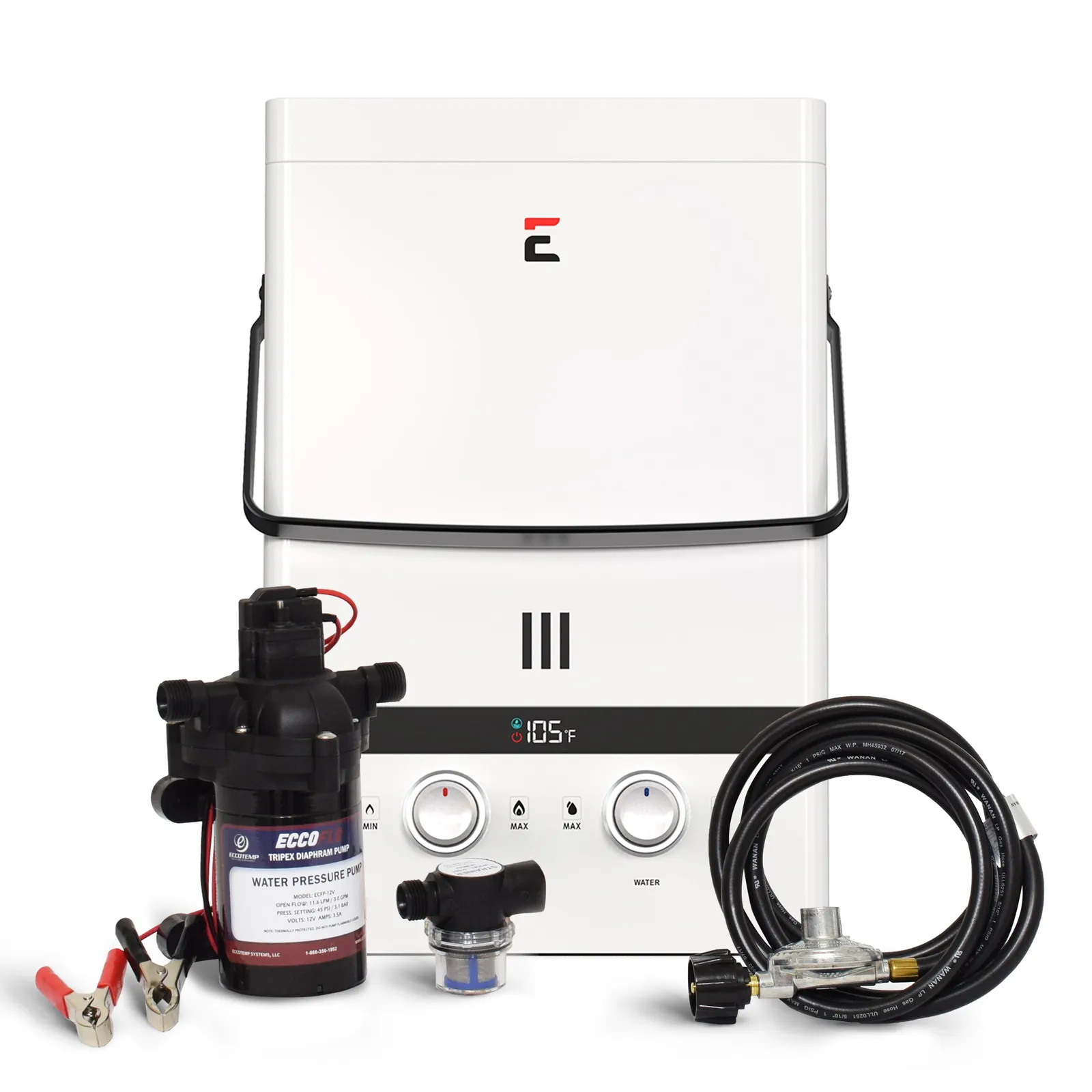
The primary reason for failure is insufficient water flow. These heaters use a flow sensor that must detect a specific amount of water moving through the pipes before it triggers the ignition sequence.
If your pipes have mineral buildup or your aerators are clogged, the flow rate drops below the threshold, and the unit stays off to protect itself from overheating. Check your kitchen and bathroom faucet aerators first; if they’re clogged with sediment, the heater won’t sense enough demand to turn on.
Another common cause is an incorrect gas supply. If your propane tank is low, the pressure might be too weak to maintain a steady flame, or the regulator might be malfunctioning. Always ensure your tank is at least half full.
Additionally, the ignition system relies on fresh batteries to create the spark. If the batteries are weak, you might hear a faint clicking sound, but the gas will never ignite. Replace the batteries based on usage and your owner’s manual as a preventative measure.
Finally, environmental factors play a large role. In cold weather, the incoming water is much colder, requiring more energy to heat. If the unit is set to a high temperature, it may reach its capacity and shut down.
If the water is lukewarm, check your flow rate or gas supply, as lowering the temperature setting will only result in cooler water. Always verify that your installation meets the Eccotemp official installation requirements for venting and clearance to ensure the unit can breathe and exhaust properly. If the exhaust is blocked, the safety sensor will kill the flame instantly.
Safety: Inside a mains-powered machine, the parts behind the outer cover can hold a dangerous electrical charge even after it has been unplugged — that’s why they sit behind a cover. Opening the housing, or testing or replacing anything behind it, is a job for a qualified technician, never a home repair.
Clean your water filters
The first step for almost any flow issue is cleaning the inlet water filter screen. This small mesh screen sits inside the cold water inlet connection and catches debris from your pipes. When it gets blocked, the water pressure inside the unit drops, and the heater fails to sense that you have turned on the tap.
To do this, turn off the water supply to the heater and disconnect the cold water hose. Use a pair of needle-nose pliers to gently pull the screen out of the inlet. Rinse it under clean running water until all sediment is gone, then push it back into place. If you live in an area with hard water, you should check this screen based on usage and your owner’s manual to prevent clogs.
This fix is intended for homeowners who have basic plumbing tools and comfortable access to the unit’s connections. If you find the screen is torn or heavily corroded, you must replace it with a new one from the manufacturer. If you aren’t comfortable disconnecting the water lines, or if the unit still fails to heat after cleaning, contact a licensed plumber to inspect the internal plumbing.
Check your gas and power
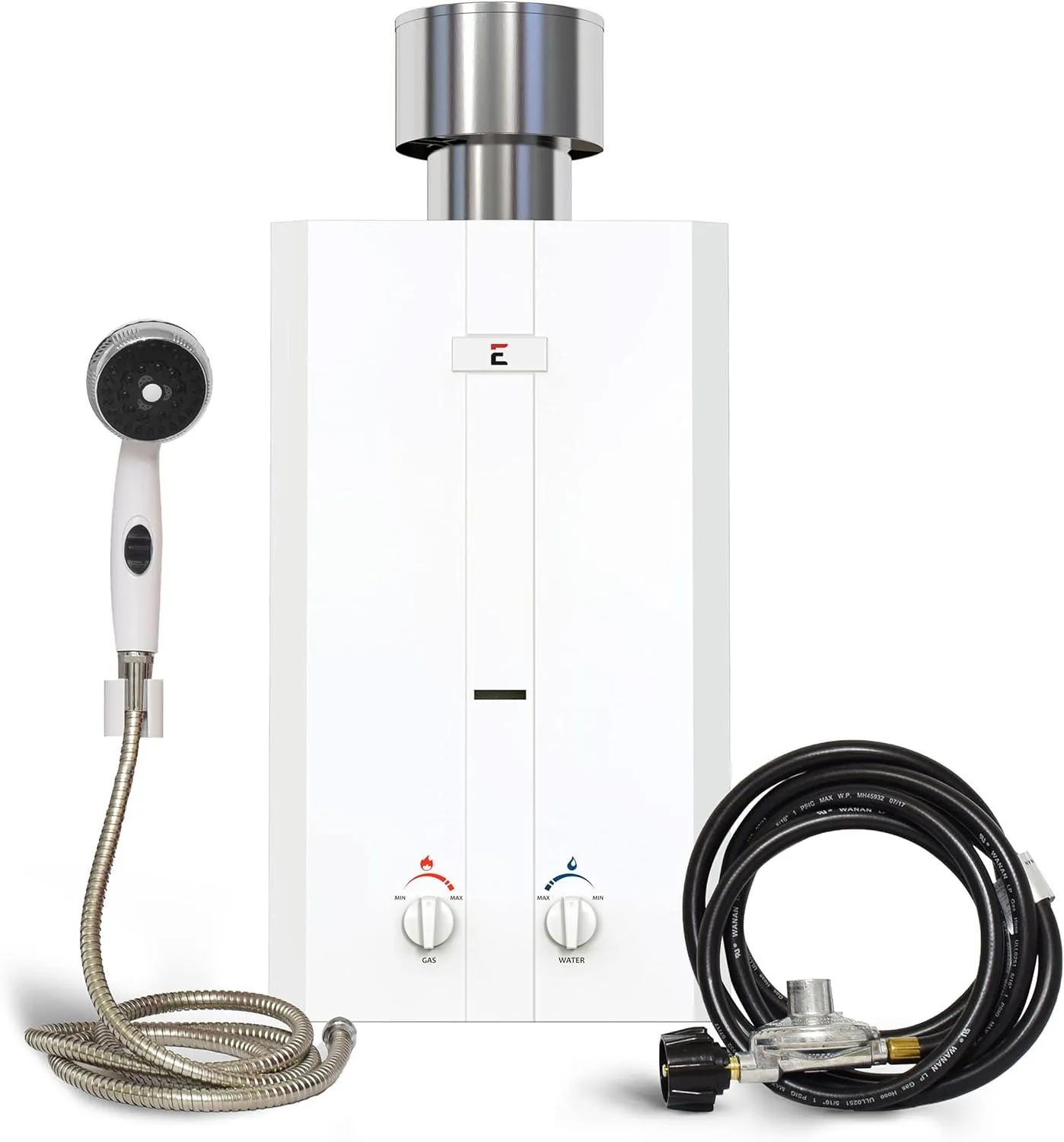
If the unit has water flow but no flame, the problem is usually a lack of fuel or ignition power. Start by checking your propane tank gauge. If the tank is nearly empty, the pressure is likely too low to sustain the burner. It’s a common mistake to assume a tank has gas just because it feels heavy; always check the regulator output or try a different, known-full tank to rule out a fuel delivery issue.
Next, replace the batteries. Even if they look new, they may not have enough voltage to power the ignition spark. Use high-quality alkaline batteries and ensure they’re seated firmly in the battery box. If you see corrosion on the battery terminals, wipe them clean with a dry cloth before inserting the fresh set.
If you have a digital display, look for an error code. These codes are specific to your model and indicate exactly what the internal sensors are detecting. If the display shows a code related to the gas valve or the flame sensor, don’t attempt to open the unit. These components involve gas lines that require a professional technician to safely service or replace.
When to hire a professional
Sometimes, the internal components fail due to age or extreme conditions. If you have verified your water flow, replaced the batteries, and confirmed your gas supply is strong, but the unit still doesn’t function, the issue is likely internal. This could be a failed heat exchanger, a faulty control board, or a damaged gas solenoid.
It’s worth calling a professional if you have already spent more than an hour on basic checks without success. A certified plumber or gas technician can use specialized tools to test the gas pressure at the valve and check the voltage at the ignition module. This is safer and often cheaper than guessing which parts to buy and replace yourself.
The decision rule is simple: if the unit emits a clicking sound but fails to ignite, the problem is usually the flame sensor or igniter. If the unit is silent, the control board is likely the culprit. Don’t attempt to solder circuit boards or bypass safety sensors, as these components are calibrated for specific pressure thresholds. A mistake here often leads to a voided warranty or a dangerous carbon monoxide leak.
If you suspect a gas leak, such as a sulfur or rotten egg smell, stop all troubleshooting immediately. Turn off the gas supply at the tank, leave the area, and call your local gas utility provider or emergency services. Never attempt to repair a gas leak on your own, as this poses a severe risk of fire or explosion.
Common mistakes to avoid
Ignoring the flow rate: People often increase the temperature setting when the water isn’t hot enough. This forces the unit to work harder and triggers a safety shutdown if the flow is too low. If your faucet aerator is clogged, the unit will cycle off repeatedly. Clean your aerators every six months to maintain the minimum flow required for ignition.
Using rechargeable batteries: These often have lower voltage than standard alkaline batteries. A weak spark prevents the gas valve from opening, leaving you with cold water. Always use high-quality alkaline batteries and replace them annually, even if they appear functional.
Blocking the air intake: Installing the unit in a tight, unventilated closet prevents the burner from getting enough oxygen. This leads to incomplete combustion and frequent error codes. Ensure at least six inches of clearance on all sides.
Forgetting the winter drain: If you live in a climate that freezes, failing to drain the water will cause the heat exchanger to crack. This is a permanent, non-repairable failure. If temperatures drop below 32°F, open the drain valves immediately to prevent a total loss of the unit.
How to stop it happening again
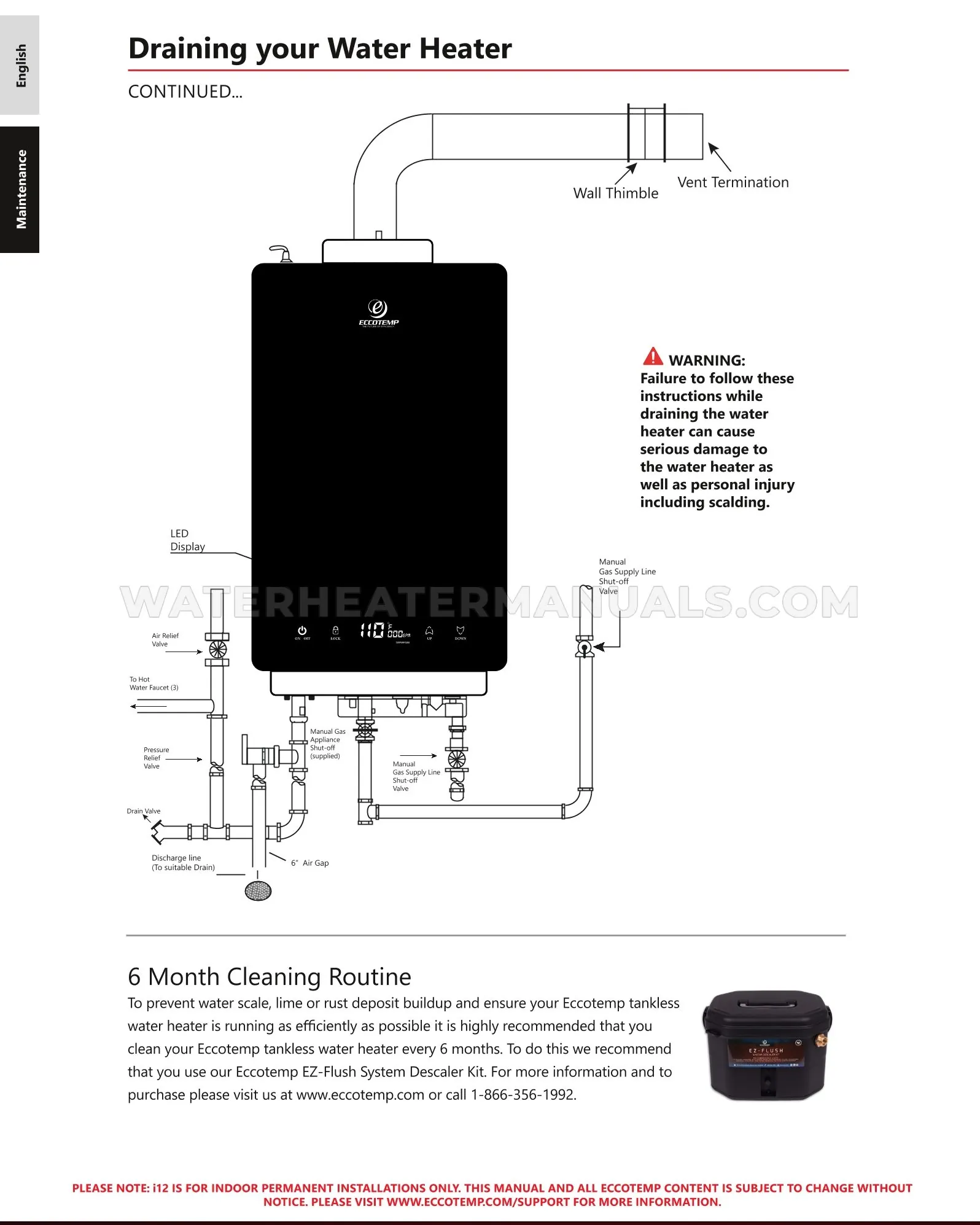
Maintaining consistent performance requires regular attention to your water quality and your installation environment. By keeping the unit clean and ensuring it has a steady supply of fuel and air, you’ll prevent most common operational failures.
| If you’re doing this | Do this instead | Why |
|---|---|---|
| Leaving unit unused in winter | Drain the heat exchanger | Prevents internal cracks from freezing |
| Using old or cheap batteries | Use premium alkaline batteries | Ensures strong and consistent ignition spark |
| Ignoring low water pressure | Clean the inlet screen monthly | Restores the flow needed to trigger sensors |
| Placing unit in small cabinet | Ensure proper outdoor venting | Prevents oxygen starvation and burner shutdown |
Most users mistake a failing ignition for a broken sensor. If the unit clicks but fails to light, have a technician check the battery voltage, as a drop in power often triggers a false “no flow” error.
If you live in a hard water area, mineral buildup acts as an insulator. This forces the burner to overwork, leading to premature metal fatigue. Check the heat exchanger fins based on usage and your owner’s manual. If you see white, chalky deposits, perform a descaling flush using a vinegar solution and a circulation pump according to your owner’s manual. Ignoring this buildup typically costs a significant portion of the unit’s total lifespan.
Frequently asked questions
Can I fix a gas leak myself?
No, you must never attempt to repair a gas leak yourself. If you smell gas, turn off the supply at the tank immediately, evacuate the building, and call your local gas utility or emergency services. Gas leaks are dangerous and require a professional with specialized equipment to locate and seal the leak safely.
How long should the batteries last?
Batteries typically last for a duration that varies under normal daily use. This depends on how often you use hot water and the quality of the batteries you install. If you notice the ignition clicking sound getting slower or weaker, replace the batteries immediately to prevent the unit from failing to light.
Why is the water lukewarm?
The water is likely lukewarm because your flow rate is too high for the heater to heat it effectively. Try turning your faucet to a lower flow; if the water gets hotter, the unit is working correctly but is limited by its physical heating capacity. If it remains cold regardless of flow, your gas pressure or burner output may be set too low.
Is it safe to use a garden hose for testing?
Yes, it’s safe to test the unit with a garden hose if you’re using it in an outdoor setup, but ensure the pressure is consistent. If your hose has a kink or a nozzle that restricts flow too much, the heater won’t activate. Always use a standard hose without a spray nozzle to test the full flow capacity.
What happens if I use hard water?
Hard water causes mineral buildup inside the heat exchanger, which restricts water flow and reduces heating efficiency over time. If you have hard water, you should install a water softener or perform a descaling flush once a year. This keeps the internal tubes clear and extends the life of your heater significantly.
How do I know if the unit is failing?
The unit is likely failing if you see consistent error codes on the display or if you smell gas near the unit. If you have verified the gas supply, water flow, and battery power, but the unit still refuses to ignite, you have reached the limit of do-it-yourself troubleshooting. Call a licensed plumber to inspect the internal components for damage.
Conclusion
Regular maintenance is the most important factor for long-term performance. By keeping your inlet screen clear and your batteries fresh, you’ll avoid the most common reasons for a service call. If you follow these simple routines, your unit should provide reliable hot water throughout its expected service life.
Related guides