If your leaf blower won’t start or loses power, performing basic echo pb-580t troubleshooting at home often solves the issue. The most common cause is stale fuel or a dirty air filter, which prevents the engine from getting the clean mixture it needs to run. You can check these components yourself without needing any special tools. If the engine remains unresponsive after these simple steps, you should contact a certified repair shop to avoid damaging the internal parts.
Troubleshooting Echo blower engine failure
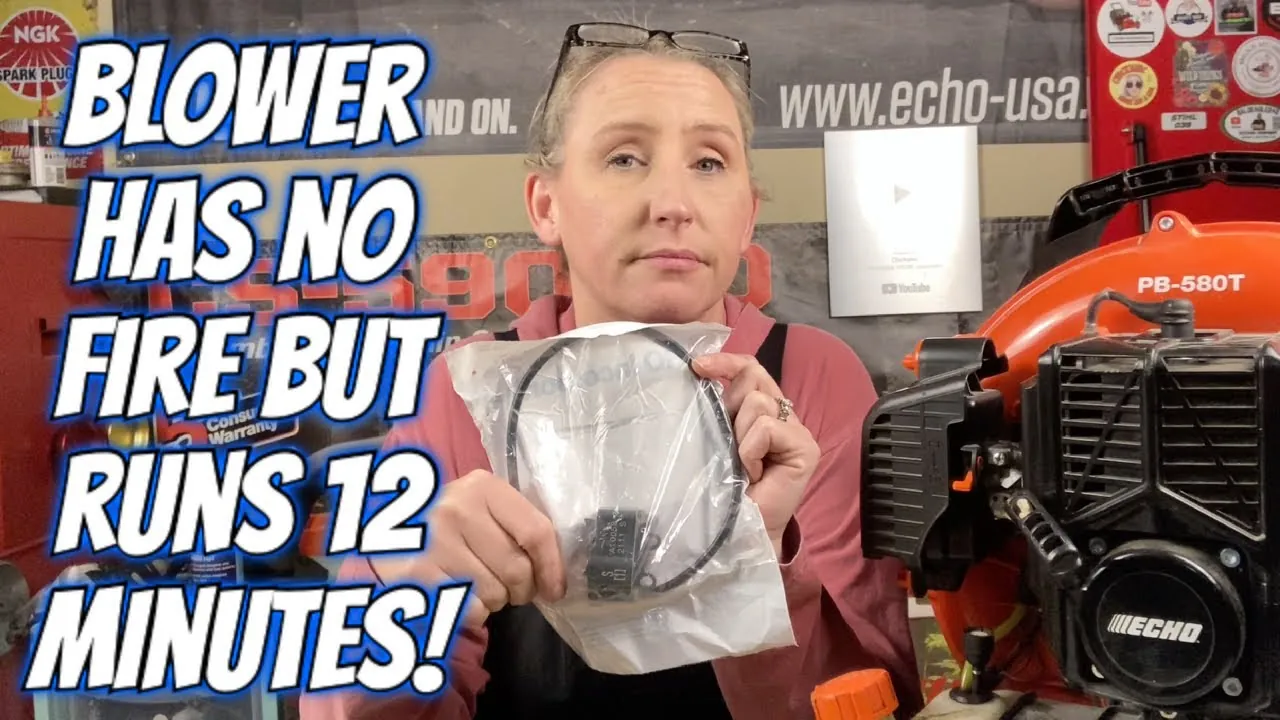
The primary reason for engine failure is the degradation of fuel left in the tank for more than 30 days. Modern gasoline contains ethanol, which absorbs moisture and creates a gummy residue that clogs the carburetor. When this happens, the engine can’t draw fuel properly, leading to hard starting or stalling under a load. You can find specific fuel storage guidelines from the Echo official support page to ensure you’re using the right mixture.
Another common cause is a restricted air flow. If the air filter is covered in dust or debris, the engine can’t breathe, making it appear as if the machine has lost its compression or power.
Similarly, a spark plug that’s fouled with carbon deposits will fail to create the necessary spark to ignite the fuel. If the blower has been sitting for a long time, the spark plug often develops a thin layer of oxidation that stops the electrical current from crossing the gap.
Finally, check for external blockages in the cooling intake. If the fan housing is packed with leaves or grass clippings, the engine will overheat and trigger a thermal shutdown to protect itself. This is a safety feature, not a mechanical failure, and it prevents permanent heat damage to the piston and cylinder walls.
Clean the air filter element
This fix is for users who notice the blower is sluggish or stalls when they increase the throttle. A dirty air filter is the most common reason for poor performance, and you should check it every time you refuel if you’re working in dusty conditions.
If the filter is torn, stained, or still looks dark after cleaning, you must replace it with a new one. Don’t run the blower without an air filter, as this allows dirt to enter the engine and score the cylinder wall, which causes a total loss of compression. If you’re unsure about the correct part number for your specific model year, look for the serial number on the blower frame and check the official parts list.
Replace the spark plug
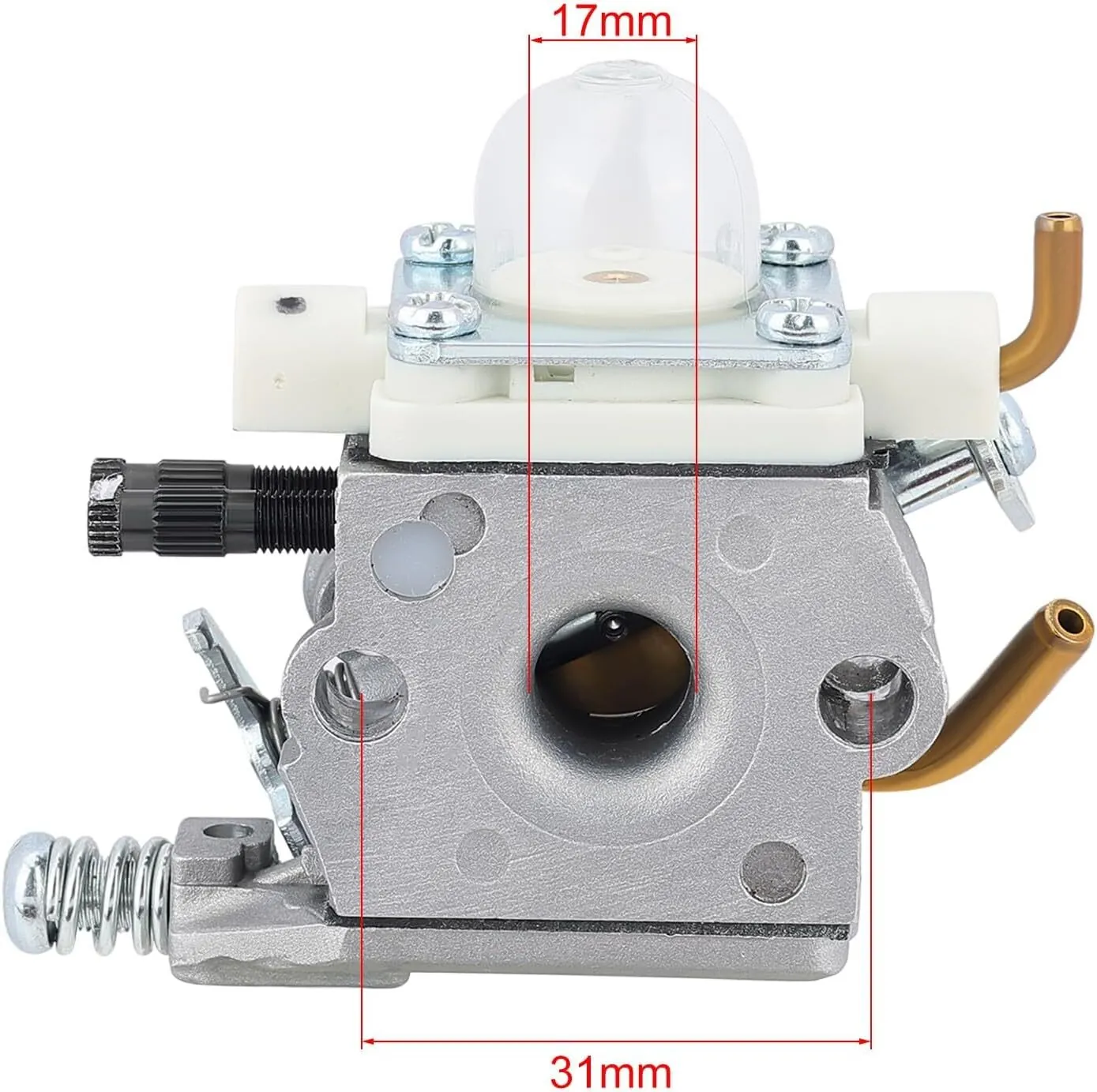
This task is for when the engine turns over but refuses to stay running. A fouled spark plug is a common reason for intermittent ignition, and swapping it out is a quick way to rule out electrical issues.
Ensure the engine is completely cool before touching the plug wire. Pull the rubber boot off the end of the spark plug and use a standard spark plug wrench to loosen the plug by turning it counter-clockwise. Once it’s out, inspect the tip. If it’s black, oily, or has a heavy buildup of white deposits, the plug is finished.
A common mistake is ignoring the gap between the electrode and the ground strap. If the gap is too wide, the spark will be too weak to ignite the fuel. Check your owner’s manual for the specific gap measurement, usually between 0.020 and 0.030 inches. If you lack a feeler gauge, don’t guess; an incorrect gap will cause the engine to misfire under load.
Take your old plug to a local hardware or outdoor power equipment store to ensure you match the heat range and thread size exactly. When installing the new one, thread it in by hand first to avoid stripping the threads in the aluminum engine block.
Tighten it until it’s snug, but don’t force it. Over-tightening can crack the engine casing, leading to a repair bill that exceeds the value of the machine. If the threads feel stiff, stop immediately and take the machine to a professional.
Inspect the fuel system
This section is for cases where the engine won’t start after sitting through the off-season. Fuel system issues are the most common source of frustration, but they’re often easy to fix if you’re willing to drain the old supply.
If the fuel in your tank is older than one month, drain it completely into an approved container. Replace it with fresh, high-quality gasoline mixed with the correct ratio of two-cycle oil as recommended by the manufacturer. If the fuel lines appear cracked or brittle, don’t attempt to patch them. These lines must be airtight to maintain the pressure required for the fuel pump to work.
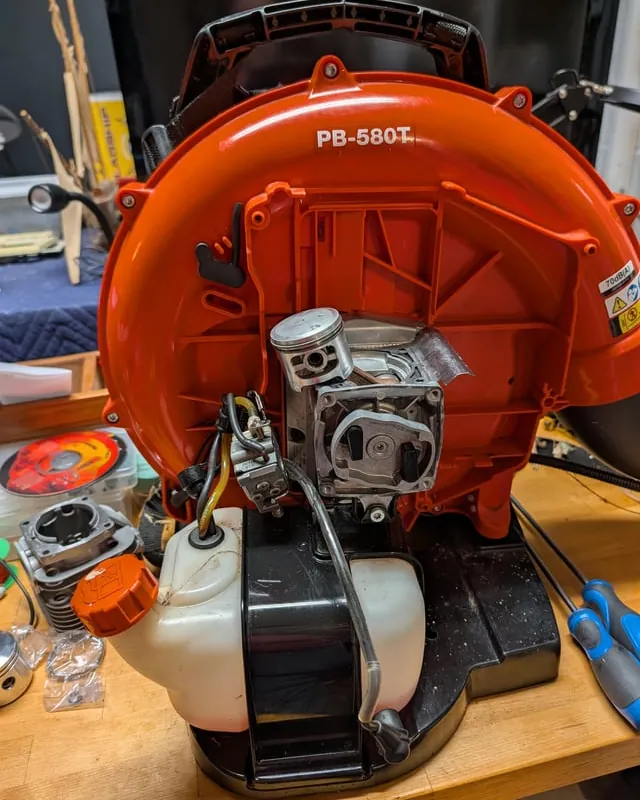
If you have replaced the fuel and the blower still won’t start, the carburetor may have internal blockage. Cleaning a carburetor requires professional tools and precision; if you don’t have experience with small engine repair, don’t try to disassemble the carburetor yourself. A mistake here can lead to a fuel leak or a fire hazard. Instead, take the unit to an authorized service dealer who has the training to clean or replace the carburetor safely.
Common mistakes during repair
Using old fuel: Mixing in “leftover” gas from last season guarantees engine trouble because ethanol breaks down and clogs the tiny passages in the carburetor. If your fuel is older than 30 days, assume it has already begun to oxidize and discard it.
Over-priming the engine: Pressing the primer bulb more than 5 or 6 times usually floods the engine, making it impossible to start until the excess fuel evaporates. If you smell raw gasoline, stop priming immediately and wait ten minutes before attempting another pull.
Ignoring the spark plug wire: Many people spend hours checking the engine when the spark plug wire was simply loose or not fully snapped onto the terminal. Always check for a firm “click” before dismantling any internal components.
Running without an air filter: Operating the blower without a filter will draw abrasive dust into the engine and destroy internal parts in minutes. A simple, inexpensive filter replacement prevents catastrophic cylinder scoring that effectively totals the machine.
How to stop it happening again
| If you’re doing this | Do this instead | Why |
|---|---|---|
| Storing with fuel | Drain the tank completely | Prevents gum buildup in lines |
| Using regular gas | Use ethanol-free fuel | Ethanol absorbs water and corrodes |
| Ignoring the filter | Clean every 10 hours | Dust restricts essential air intake |
| Forcing the pull cord | Check the kill switch | Prevents snapping the starter rope |
| Leaving it outside | Store in a shed | Keeps moisture out of the electronics |
Most owners fail because they treat these machines like cars, assuming they can sit idle for months. If you leave fuel in the tank for more than thirty days, the volatile components evaporate, leaving behind a sticky varnish that clogs the carburetor jets.
If your engine sputters after storage, the carburetor is likely already fouled. You must decide whether to attempt a deep cleaning with solvent or replace the unit entirely. If the engine idles roughly but runs at high speed, a simple cleaning often suffices. However, if it refuses to start even with fresh fuel, the internal passages are likely permanently blocked.
Always use a fuel stabilizer if you must store the unit with gas inside. This additive creates a chemical barrier against oxidation. If you skip this step, expect to pay for a professional carburetor rebuild by next spring.
Frequently asked questions
How long does an echo pb-580t last?
This blower typically lasts 5 to 10 years with regular residential use. Lifespan depends on seasonal usage hours and adherence to storage guidelines. Using clean, ethanol-free fuel and annual air filter replacements helps maintain engine compression for longer periods.
Why does my leaf blower stall when I accelerate?
The engine stalls under load because it isn’t receiving sufficient fuel or air to meet demand. This is often caused by a clogged fuel filter or a dirty air filter. If the filter is clean, the issue is likely a lean fuel mixture requiring professional service.
Is it safe to use starting fluid?
You should avoid using starting fluid because it’s highly volatile and can damage two-cycle engine components. Starting fluid lacks the lubrication provided by the oil-gas mixture, which can cause rapid wear on piston rings. If the engine won’t start, the problem is mechanical or electrical.
How often should I change the spark plug?
Replace the spark plug every 50 to 100 hours of operation or when the engine becomes difficult to start. Misfiring or power loss often indicates a worn electrode or carbon buildup. Replacing the plug is an inexpensive way to ensure reliable performance compared to the cost of major repairs.
What happens if I use the wrong gas-to-oil ratio?
Using the wrong fuel ratio can cause the engine to overheat or seize, leading to permanent damage. Too much oil creates carbon buildup, while too little oil causes metal-on-metal friction. If you use the wrong mix, drain the tank immediately and refill it with the correct mixture.
Conclusion
Following these maintenance steps will help you keep your equipment running smoothly throughout the season. Always prioritize safety by working in a well-ventilated area and allowing the engine to cool down before performing any checks. If you encounter a problem that requires opening the engine housing or adjusting the carburetor, contact a service professional to ensure the repair is done correctly.