If your device fails to warm up, you can perform goqotomo heating pad troubleshooting by checking the power connection and the controller settings first. A loose plug or a tripped wall outlet are the most common reasons your pad stops working. When the indicator light stays off, the issue is almost always a break in the electrical circuit or a safety sensor that has disabled the unit. If you have confirmed the power source works with another appliance, your pad may have reached its internal safety limit.
Troubleshooting your Goqotomo heating pad issues
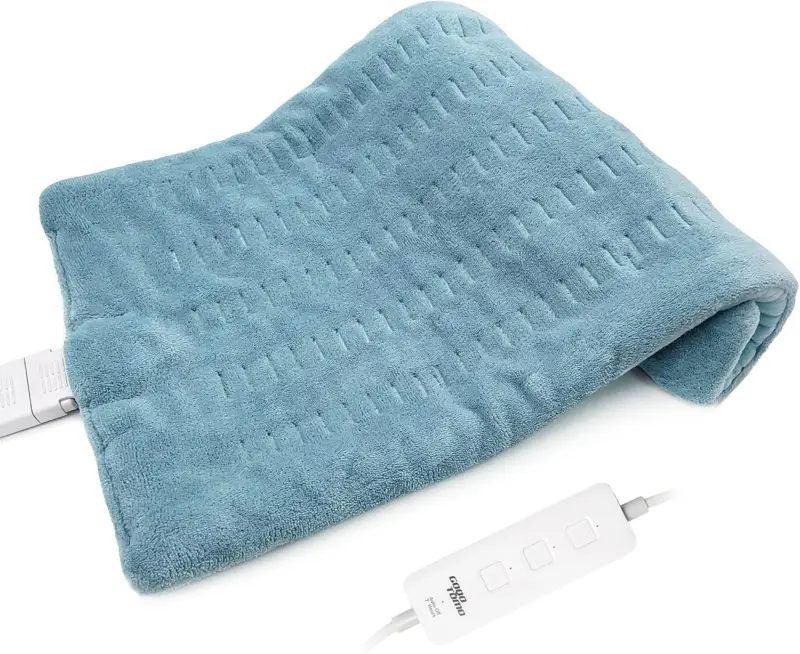
The primary cause for a Goqotomo heating pad to stop working is an interrupted power supply. This happens if the cord is bent too sharply or if the internal wires wear down over time. When these wires fray, the device can’t carry electricity to the heating elements, leaving you with a cold pad. You should always inspect the cord for visible kinks or signs of melting before you assume the unit is broken.
If you store your pad by tightly wrapping the cord around the unit, you increase the risk of internal wire fatigue. This habit creates high-stress points that snap the copper strands inside the insulation. Always coil the cord loosely or store it separately to maintain its integrity.
Another cause relates to the built-in safety sensors. Most modern electric heating pads include an automatic shut-off feature that triggers if the internal temperature exceeds safe operating levels or if a fault is detected in the controller. If your controller feels hot to the touch or if you smell burning plastic, the safety sensor has likely done its job to prevent a fire.
Finally, the wall outlet itself might be the culprit. If your home has a ground fault circuit interrupter (GFCI) outlet, a small surge can cause it to trip. This shuts off power to the outlet to prevent injury.
If you find that the controller light is dead, testing the outlet with a known working lamp is the fastest way to confirm if the power source is the problem. If the lamp fails to turn on, reset the breaker in your home’s electrical panel before blaming the pad.
Safety: Inside a mains-powered machine, the parts behind the outer cover can hold a dangerous electrical charge even after it has been unplugged — that’s why they sit behind a cover. Opening the housing, or testing or replacing anything behind it, is a job for a qualified technician, never a home repair.
Check the power and wall connections
Start by verifying that the plug is pushed firmly into the wall outlet. If it feels loose, it might not be making a clean connection to the metal contacts inside the socket. Try plugging the pad into a different wall outlet in another room to rule out a localized electrical fault. If the pad works in a different room, you have a bad outlet, not a bad heating pad.
Inspect the entire length of the power cord for any signs of physical damage. You’re looking for cuts, exposed wires, or areas where the plastic casing looks flattened or burnt. If you find any damage, you must stop using the device immediately.
Damaged electrical cords are a significant fire risk and can’t be safely repaired with electrical tape or DIY methods. If you have children or pets in the house, keep the cord tucked away so it can’t be tripped over or chewed.
If the power is connected but the controller remains blank, ensure the connector where the cord meets the pad is snapped into place. Sometimes, this connection works its way loose during use. Push the plastic connector together until you hear a distinct click. If the controller light turns on but the pad stays cold, you might have it set to a low heat setting. Wait 10 minutes to see if the fabric warms up.
Reset the controller and safety sensors
If your Goqotomo heating pad has a digital controller, it may simply need a hard reset to clear a minor software error. Unplug the heating pad from the wall outlet and disconnect the controller from the pad itself. Leave the device completely disconnected from all power for at least 30 minutes. This allows the internal components to cool down and any temporary error codes in the controller’s memory to clear.
After the wait, reconnect the controller to the pad, ensuring the connection is firm. Plug the device back into the wall outlet and turn it on to the highest setting. If the pad begins to heat up, the issue was likely a temporary sensor glitch. If it still doesn’t heat, the internal heating element has likely reached the end of its functional life.
This fix isn’t for pads that show signs of physical damage. If you see scorch marks on the fabric or if the plastic controller housing is cracked, don’t attempt to reset or use the device. These signs indicate that the internal wiring has failed in a way that could cause a short circuit.
Apply this rule: if the controller displays an “E” or “F” code that persists after the 30-minute reset, the internal safety sensor has permanently tripped. Don’t attempt to bypass this sensor, as it’s a critical fire prevention feature.
If the device remains cold after a full reset, it’s time to contact the manufacturer for a warranty claim or dispose of the unit. Never attempt to open the controller housing to repair internal circuitry yourself, as this voids your warranty and creates a significant shock hazard.
Determine if replacement is necessary
When a heating pad stops responding to basic troubleshooting, it’s often safer to replace it than to attempt a repair. If the pad is under warranty, contact the seller or the brand support team with your receipt. Trying to open the fabric casing to access the internal wires will void your warranty and introduces a risk of electrical shock.
If the heating pad is outside of its warranty period and still fails to heat, it’s usually more cost-effective to buy a new one. Modern safety standards have improved significantly, and older units lack the advanced shut-off features found in current models. If you use the pad for chronic pain management, relying on a faulty unit that heats unevenly can lead to skin burns or ineffective treatment.
Consider the age of your device before spending time on further troubleshooting. If you have used the pad daily for a significant period, the internal heating coils may have simply worn out from repeated folding and thermal expansion.
If you find that you have to “wiggle” the cord to get the light to stay on, the internal wire breakage is permanent. In such cases, stop using the device to prevent the risk of fire or injury.
Apply this rule: if the controller displays an error code that remains constant after a full power cycle, the internal sensor has failed. A failed sensor can’t be recalibrated at home. Attempting to bypass this safety mechanism is a common mistake that creates a fire hazard. If the pad emits a faint burning odor, discard it immediately regardless of the warranty status.
Common mistakes to avoid
Don’t use light-duty or damaged extension cords with your heating pad; if an extension cord is necessary, ensure it’s rated for the appliance’s wattage. These cords often cause a voltage drop that confuses the controller’s safety sensors, leading to premature shutoffs or erratic temperature fluctuations.
Never fold the pad while it’s turned on. Folding traps intense heat in a concentrated area, which quickly degrades the internal heating filaments and creates a genuine fire hazard. If you need to store the unit, always wait until it’s completely cool to the touch.
Don’t wash the pad unless the manual explicitly states it’s machine washable. Even a small amount of moisture can corrode the delicate electrical connections inside.
Avoid placing heavy objects like books or laptops on the pad while it’s running. Pressure prevents proper heat dissipation, causing the internal safety thermal fuse to trip. If your pad stops heating, check for trapped heat first.
How to stop it happening again
Proper storage and handling will extend the life of your Goqotomo heating pad significantly. Avoid wrapping the cord tightly around the controller, as this creates stress points that lead to internal wire breakage over time.
If you find the pad failing to reach temperature, check if the cord is kinked near the plug. A sharp bend here often severs the connection before the controller even registers a fault. To prevent this, coil the cord loosely in a circle rather than pulling it taut.
Store the unit flat or folded loosely in a drawer. Stacking heavy items on top of the pad crushes the internal heating coils, which creates hot spots that eventually burn through the fabric cover.
Always use the lowest effective heat setting for your needs. Running the device on high for hours accelerates the degradation of the internal insulation. If you notice a faint plastic smell, turn the heat down immediately. This scent is a warning that the internal wiring is overheating and nearing a permanent failure.
Related guides
- Glo Warm Heater Troubleshooting: Expert Tips for Efficient Heating
- Beautyrest Heated Mattress Pad Troubleshooting: Easy Fixes
Frequently asked questions
Can I fix a broken wire in the cord?
No, you should never attempt to fix a broken power cord on a heating pad. The internal wires are thin and insulated in a way that makes home repairs dangerous and ineffective. Any damage to the cord or the insulation creates a high risk of electrical shock or fire. It’s much safer to replace the entire unit if the cord is frayed, cut, or damaged in any way.
How long should a heating pad last?
A typical heating pad lasts between one to three years with regular use. The lifespan depends on how often you use it and how carefully you store it between sessions. If you notice the pad taking longer to heat up or if the controller becomes unresponsive, it’s likely reaching the end of its life. Always check the manufacturer’s manual for their specific expected lifespan and warranty details.
Is it safe to sleep with a heating pad on?
No, it isn’t safe to sleep with a heating pad unless it’s specifically designed for overnight use and has a certified long-term safety shut-off. Even with an automatic shut-off feature, sleeping on a pad can lead to low-temperature burns if the heat is trapped against your skin for hours. Always turn the device off before you fall asleep to avoid the risk of skin injury or overheating the unit.
Why does my heating pad flash an error code?
An error code usually appears when the controller detects an internal short or a sensor malfunction. This is a protective feature designed to stop the flow of electricity before the pad gets too hot. Try unplugging the device for 30 minutes to reset the controller. If the error code returns immediately upon plugging it back in, the internal sensor is permanently damaged and the device should be replaced.
What happens if I get the heating pad wet?
If you get a non-washable heating pad wet, it can cause a short circuit or damage the internal electrical components. Even if the pad seems to work after drying, moisture can cause corrosion that leads to failure later on. If your pad isn’t labeled as machine washable, don’t submerge it in water or use it if it has been exposed to significant liquid spills.
Conclusion
If these checks don’t bring the heat back, it’s time to reach out to the manufacturer’s support team. They’ll help you determine if your unit is still under warranty. Don’t try to open the pad yourself, as that’s unsafe. Hopefully, they’ll get you a replacement so you can stay cozy again.