Is your Hunter Pro C Controller acting up and disrupting your irrigation system? You rely on this controller to keep your lawn healthy and green, but when problems arise, it can be frustrating and confusing.
Don’t worry—you’re not alone, and fixing these issues might be easier than you think. In this guide, you’ll discover simple troubleshooting steps that can get your Hunter Pro C Controller back on track quickly. Keep reading to save time, avoid costly repairs, and restore your system’s smooth operation.

Common Issues
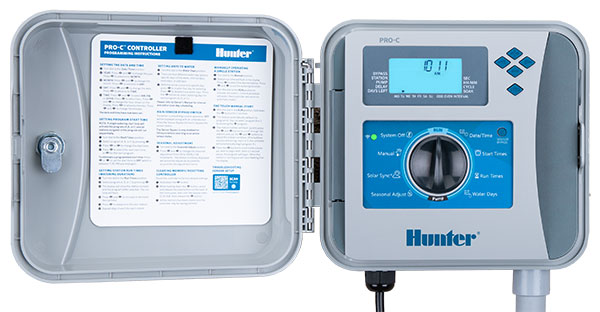
The Hunter Pro C controller is a reliable device but may face some common issues. These problems can disrupt irrigation schedules and affect plant health. Knowing the typical issues helps in quick fixes and smooth operation.
Power Problems
Power issues often cause the controller to stop working. Check if the power source is connected properly. Look for blown fuses or tripped breakers. Sometimes, loose wires inside the controller lead to power failure. Replace damaged cords or batteries to restore power.
Display Errors
The display screen may show strange symbols or remain blank. This can happen due to low power or water damage. Resetting the controller might solve the issue. If the display stays faulty, the screen or circuit board may need replacement.
Valve Malfunctions
Valves may fail to open or close correctly. Dirt or debris often blocks valve parts. Clean the valves regularly to prevent this. Electrical faults in the controller can also cause valve errors. Test the wiring and replace faulty solenoids if needed.
Sensor Failures
Sensors monitor weather and soil conditions for smart watering. Faulty sensors send wrong signals, causing irrigation problems. Check sensor connections and clean sensor probes. Replace broken sensors to keep the system accurate and efficient.
Basic Troubleshooting Steps
Troubleshooting the Hunter Pro C controller starts with basic checks. These steps often solve common problems fast. Simple actions can restore normal function without needing expert help.
Begin by resetting the controller to clear temporary errors. Then check the battery and power supply for any issues. Finally, inspect all wiring connections to ensure proper setup.
Resetting The Controller
Resetting the Hunter Pro C controller can fix many problems. Locate the reset button on the device. Press and hold it for a few seconds. Release the button and wait for the controller to reboot. This action clears minor glitches and refreshes the system settings.
Checking Battery And Power Supply
Check the battery level first. Low or dead batteries cause the controller to stop working. Replace old batteries with fresh ones. Also, verify the power supply connection. Ensure the controller receives steady power. Loose or damaged cables can interrupt power flow.
Inspecting Wiring Connections
Inspect all wiring connections carefully. Loose wires can disrupt communication between the controller and valves. Look for broken or frayed wires. Secure any loose connections firmly. Proper wiring ensures the controller sends correct signals to your irrigation system.
Fixing Programming Errors
Programming errors in the Hunter Pro C Controller can cause irrigation problems. These errors often lead to watering at wrong times or for wrong durations. Fixing these errors improves water use and keeps your plants healthy. Check the settings carefully to avoid common mistakes. Follow the steps below to correct programming errors on your controller.
Adjusting Run Times
Run times control how long each zone waters. Incorrect run times waste water or leave plants dry. To adjust run times, access the controller’s program menu. Set each zone’s run time based on plant needs and soil type. Shorter run times work well for sandy soil. Longer times suit clay soil. Change run times seasonally for best results. Save changes before exiting the menu.
Setting Start Times Correctly
Start times tell the controller when to begin watering. Incorrect start times can cause watering during hot midday hours. Set start times early in the morning or late evening. This reduces evaporation and water waste. Use multiple start times if your system runs several zones. Ensure start times do not overlap to avoid system overload. Check the AM/PM setting carefully to prevent mistakes.
Reviewing Seasonal Adjustments
Seasonal adjustments change watering based on weather. Use this feature to reduce water in cooler months. Increase watering during hot, dry periods. Check the seasonal adjustment percentage regularly. Adjust it to match local weather and plant needs. This keeps watering efficient and prevents overwatering. Reset seasonal adjustments after winter for spring growth.
Dealing With Valve Issues
Valve problems often cause Hunter Pro C controller issues. Valves control water flow to your irrigation zones. When valves fail, watering stops or runs incorrectly. Fixing valve problems keeps your system working well. Troubleshoot valves step-by-step for best results.
Cleaning Valve Solenoids
Valve solenoids can get dirty over time. Dirt blocks the solenoid’s magnetic parts. This stops the valve from opening or closing. Remove the solenoid carefully from the valve body. Clean it with a soft brush or cloth. Avoid harsh chemicals that can damage the solenoid. Dry the solenoid before reinstalling it. Test the valve after cleaning to check if it works.
Replacing Faulty Valves
Some valves break and need replacement. Signs include leaking, no water flow, or constant running. Turn off water supply before removing the valve. Disconnect wires carefully from the solenoid. Unscrew the valve from the pipe or tubing. Match the new valve type and size exactly. Install the new valve securely in place. Reconnect wires and turn water back on. Check the new valve by running a test cycle.
Testing Valve Operation
Testing valves helps find exact problems. Use the Hunter Pro C controller to open each valve. Listen for clicking sounds from the solenoid. Check water flow for each valve zone. No click or no water means valve trouble. Test valve manually by applying 24V to solenoid wires. If valve works manually but not with controller, check wiring or controller settings. Testing ensures reliable irrigation and prevents water waste.
Sensor And Rain Delay Solutions
The Hunter Pro C controller uses sensors and rain delay to save water and protect plants. Sensors detect moisture or rain and stop watering automatically. Rain delay pauses watering during rainy weather. These features help keep your garden healthy and prevent overwatering.
Sometimes sensors or rain delay settings need adjustments. Troubleshooting these parts can fix common problems and improve your system’s performance. The steps below guide you through sensor calibration, bypassing sensor inputs, and managing rain delay settings.
Calibrating Sensors
Sensor calibration ensures accurate readings for soil moisture or rain detection. Start by cleaning the sensor to remove dirt or debris. Next, follow the controller’s instructions to set sensor sensitivity. Adjust the sensor until it matches actual soil moisture levels. Proper calibration helps the system water only when needed.
Bypassing Sensor Inputs
Bypassing sensors can help test the controller or water plants without sensor control. Use the controller’s menu to disable sensor inputs temporarily. This lets you check if sensors cause watering issues. Remember to turn sensors back on after testing to save water.
Managing Rain Delay Settings
Rain delay stops watering during wet weather to avoid overwatering. Check the controller’s rain delay settings and adjust the delay length as needed. Set a rain delay for a few hours or days depending on rain forecast. Reset the rain delay after the weather clears to resume watering.
Maintenance Tips
Proper maintenance keeps the Hunter Pro C Controller working well. Small care steps prevent bigger problems. Regular attention helps the controller last longer and run smoothly. Follow these simple tips to maintain your controller effectively.
Regular Inspection Schedule
Check the controller every few weeks. Look for dirt, damage, or loose wires. Clean any dust or debris gently. Tighten loose connections to avoid failures. Early spotting of issues saves time and cost.
Protecting From Weather Damage
Keep the controller away from rain and direct sunlight. Use a protective cover if the controller is outside. Avoid placing it where water can pool or drip. Extreme heat or cold can harm the device. Proper shielding keeps it safe and working well.
Updating Firmware
Check for firmware updates regularly on the Hunter website. Updates fix bugs and improve performance. Follow the instructions carefully to install updates. Updated firmware ensures the controller runs with the latest features. This step keeps your system reliable and efficient.

Frequently Asked Questions
What To Do If Hunter Pro C Controller Won’t Turn On?
Check the power source and battery connection first. Ensure the batteries are fresh and installed correctly. Reset the controller by removing batteries for 5 minutes.
How To Fix Hunter Pro C Controller Display Not Working?
Clean the screen gently with a soft cloth. Replace batteries if the display is dim or blank. If the problem continues, the controller may need professional repair.
Why Is My Hunter Pro C Controller Not Watering Zones?
Confirm that each zone valve is connected properly. Test the valves manually to ensure they open. Check the controller settings for correct schedule programming.
How To Reset Hunter Pro C Controller To Factory Settings?
Press and hold the reset button for 10 seconds. This clears all programs and returns default settings. Reprogram the controller after the reset.
What Causes Hunter Pro C Controller Error Messages?
Error messages may appear due to wiring issues or sensor faults. Check all wire connections for damage or loose ends. Replace faulty sensors to resolve errors.
Conclusion
Troubleshooting the Hunter Pro C Controller can save time and hassle. Small checks often fix common issues quickly. Keep your controller clean and dry for best results. Regular battery changes help avoid power problems. Resetting the controller resets settings and solves glitches.
If problems persist, contacting support is a good step. Clear steps make repairs easier for everyone. Stay patient and follow the guide carefully. Your irrigation system will run smoothly again soon. Simple care keeps the controller working well.