If your vent isn’t pulling air or the lights are flickering, performing basic faber range hood troubleshooting usually solves the problem without needing a repair person. Most issues start with a clogged filter or a tripped circuit breaker in your home panel. You can resolve these common failures by inspecting the airflow path and checking your power supply. If you hear loud grinding noises or the motor doesn’t turn on after a reset, the issue might be internal and requires a qualified technician to examine the fan assembly.
Troubleshoot poor Faber range hood performance
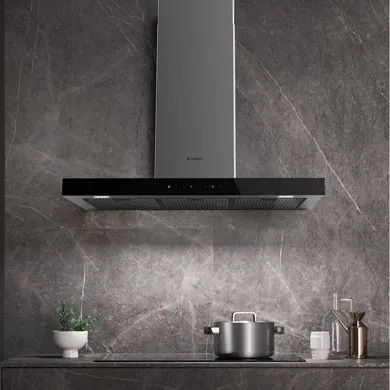
Range hoods often stop working correctly because of a buildup of grease or a simple electrical interruption. When the metal mesh filters become saturated with cooking oils, the motor must work much harder to pull air through the restricted space. This added strain can cause the unit to overheat or vibrate excessively during operation.
If your hood makes a high-pitched whining noise, the motor bearings may be failing due to wear or lack of lubrication. You should clean the mesh filters in a degreasing solution as needed based on your cooking habits; check your owner’s manual for the official cleaning frequency. If the mesh remains tacky after a hot water rinse, the pores are still clogged, and you must replace them to prevent permanent motor burnout.
Another common cause is an issue with the electrical connection. If you have recently had a power surge or a storm, the breaker for the kitchen hood circuit might have tripped. You should check your home’s main service panel to see if the switch for the range hood has moved to the center position or the “off” spot. If the breaker isn’t the issue, ensure the plug is pushed firmly into the outlet if your unit isn’t hardwired.
Finally, check the ductwork for blockages. Debris, such as bird nests in the exterior vent cap or a collapsed flexible duct pipe, can stop airflow completely. If the fan sounds like it’s running but no air moves, the obstruction is almost certainly in the pipe leading outside.
A common mistake is using flexible, ribbed plastic ducting instead of smooth-walled metal pipe. This choice increases friction and traps grease, which creates a significant fire hazard. If you feel air leaking near the hood housing, your duct joints likely need new aluminum foil tape to restore proper suction.
Safety: Inside a mains-powered machine, the parts behind the outer cover can hold a dangerous electrical charge even after it has been unplugged — that’s why they sit behind a cover. Opening the housing, or testing or replacing anything behind it, is a job for a qualified technician, never a home repair.
Clean the metal grease filters
The most frequent cause of poor suction is a filter that hasn’t been cleaned. If you cook daily, the mesh traps significant amounts of fat, which creates a solid wall that air can’t pass through. Clean your filters as often as your usage requires, following the schedule provided in your owner’s manual to keep the airflow at recommended levels.
To clean the filters, remove them by pulling the small latch on the filter frame. Place them in a sink filled with hot water and a degreasing dish soap. Let them soak for 15 minutes before scrubbing them gently with a soft brush.
Rinse them thoroughly and let them dry completely before putting them back into the hood. If the mesh is damaged or the frame is bent, the filter won’t seal properly against the housing, which causes air to leak around the edges instead of through the filter.
If you have a charcoal filter for a recirculating hood, these can’t be cleaned and must be replaced periodically. Consult your owner’s manual to determine the replacement schedule based on your specific usage. If the motor remains sluggish after cleaning the metal filters, the problem is likely internal, and you should contact a professional to avoid damaging the motor housing.
Reset the electrical control board
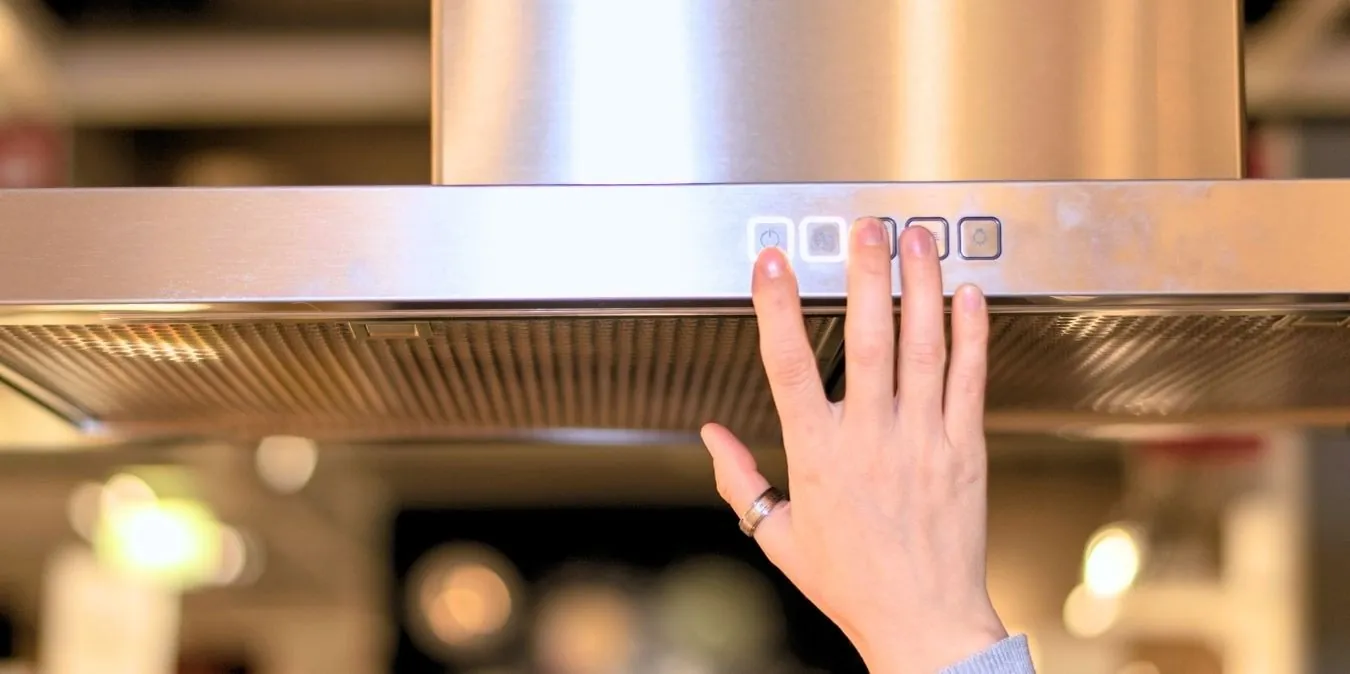
Sometimes the digital control panel of your hood becomes unresponsive due to a minor glitch in the electronic board. A power reset often clears these temporary faults and restores normal function to the fan speeds and lighting controls. This fix is simple and requires no tools, but it isn’t effective if the internal wiring has been damaged by heat or moisture.
To perform a reset, turn off the circuit breaker that powers your range hood for at least 60 seconds. After the minute has passed, switch the breaker back on and wait for the unit to initialize. Most models will beep or flash the lights to indicate they’re ready for input. Once it’s back on, test every fan speed setting and the lights individually to see if the controls respond.
If the controls still don’t work after a hard reset, the control board itself might be faulty. If your unit is under warranty, don’t attempt to open the control housing or touch the internal wiring. Opening the housing can void your warranty and may expose you to live electrical components. If the reset doesn’t fix the issue, call the manufacturer’s support line to find a local service agent who can safely test the voltage at the control board.
Check for external duct obstructions
If the motor sounds loud but the suction is weak, the problem is usually an obstruction in the path to the outside. This is a common issue if the exterior vent cap has been damaged by weather or pests. You can check the exterior vent cap from the outside of your home to ensure the flaps open freely when the fan is turned on.
If the flaps are stuck, use a long pole or a broom handle to gently nudge them open. Don’t reach into the vent with your fingers, as there may be sharp metal edges or hidden debris. If you see a nest or a physical blockage, contact a professional to ensure removal complies with local wildlife protection laws. If the blockage is deep inside the wall or attic, you should hire a professional duct cleaner to vacuum the pipe.
This fix isn’t for you if the vent is located on a high roof or a second-story wall where you can’t reach it safely from the ground. Climbing a ladder to reach a vent cap carries a significant risk of falling.
If the vent is in a hard-to-reach spot, contact a professional maintenance company to handle the exterior inspection. If the duct is clear and the fan still fails to move air, the motor impeller may be loose or damaged, which requires a certified technician to repair.
Common mistakes to avoid
Running the fan without filters: This allows grease to coat the internal motor and wiring, which can cause a fire hazard and permanent motor failure. If you lose a filter, stop using the hood immediately. Replacing a mesh screen is significantly inexpensive relative to a motor replacement.
Using harsh chemicals on the finish: Many hoods have a delicate stainless steel coating that will peel or discolor if you use bleach or abrasive pads. Use only mild dish soap and warm water. If you see streaks, wipe with the grain of the metal rather than in circles.
Ignoring a grinding noise: Continuing to run a fan that makes a metallic scraping sound will destroy the motor bearings. If the noise persists after cleaning, the internal housing is likely misaligned. Shut it off and inspect the fan blades for debris.
Forcing the filter into place: If the filter doesn’t slide in easily, you likely have it backward or upside down. Forcing it will bend the metal frame, creating gaps that let grease bypass the filter entirely. If it resists, flip it 180 degrees.
Improve your ventilation habits
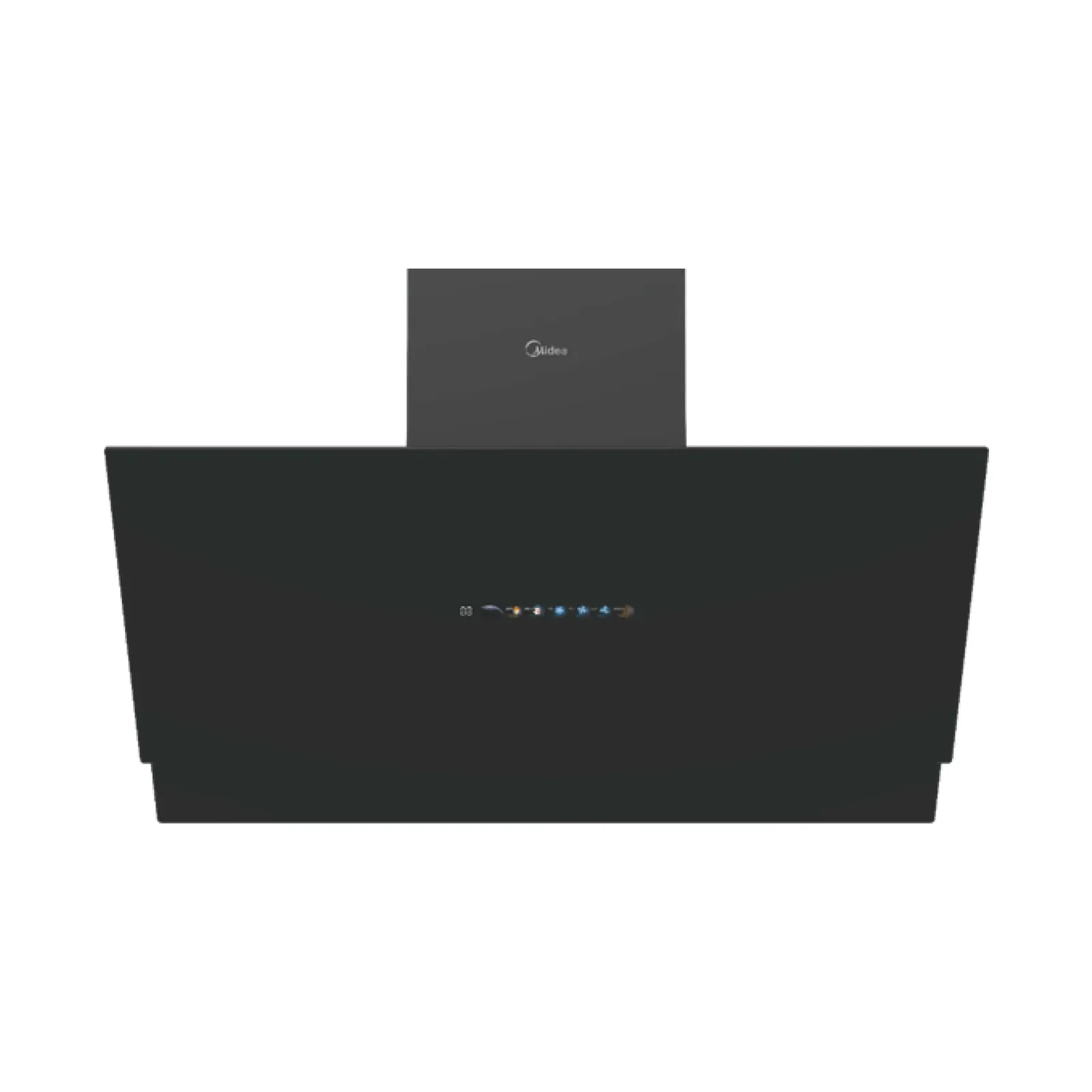
| If you’re doing this | Do this instead | Why |
|---|---|---|
| Turning the fan on when you start | Start the fan 5 minutes before cooking | It creates a draft to move air better |
| Leaving the fan off after cooking | Run the fan for 10 minutes after | It clears residual steam and grease |
| Using the highest setting for everything | Match the speed to the amount of smoke | High speeds increase noise and wear |
| Cleaning filters only when they look dirty | Clean them every 30 days | Grease builds up invisibly in the mesh |
Most homeowners make the mistake of waiting until the mesh feels sticky to the touch. By the time you notice that film, the internal motor is already struggling against restricted airflow, which can shorten its lifespan by years.
Use this simple decision rule: if you’re boiling water or simmering, use the lowest setting. If you’re searing meat or using oil at high heat, switch to the maximum setting.
If your kitchen still smells like dinner an hour later, your hood is likely too small for your range. In this case, keep a window cracked nearby to prevent a vacuum effect that stops the fan from pulling air effectively.
Frequently asked questions
How long does a range hood motor last?
A range hood motor typically lasts 10 to 15 years with regular filter cleaning and moderate daily use. Clogged grease filters strain the motor, causing premature failure. Always consult your owner’s manual for specific maintenance recommendations to extend the motor’s lifespan.
Why is my range hood light flickering?
A flickering light is usually caused by a loose bulb or an incompatible LED. Ensure the bulb is screwed in tightly and rated as dimmable. If the issue persists with the correct bulb, a professional should inspect the light socket or internal connections.
Is it safe to use a range hood with a broken fan?
It isn’t safe to use a range hood with a broken fan because grease and steam will collect on the hood surface and the surrounding cabinets. This buildup is highly flammable and can create a fire risk if the grease drips onto your cooktop. If the fan is broken, avoid using the stove until you have fixed the ventilation or at least cleaned the grease from the underside of the unit.
How often should I replace my metal grease filters?
Metal grease filters don’t have a set expiration date and can last for the life of the hood if you clean them regularly. You only need to replace them if the metal mesh develops holes, the frame becomes bent so it no longer stays in the housing, or the metal begins to corrode. If you notice the mesh is falling apart, order a replacement filter that matches your model number exactly.
What happens if I don’t clean my range hood?
If you don’t clean your range hood, grease will eventually coat the motor, the internal wiring, and the ductwork, which creates a significant fire hazard. The buildup also creates an environment where dust and grime stick to the grease, further restricting airflow and making the motor work harder until it burns out. Regular cleaning is the most important step in preventing expensive mechanical repairs and maintaining a safe kitchen environment.
Conclusion
Keeping your kitchen air fresh doesn’t have to be a constant struggle. If you’re still having trouble after these checks, don’t hesitate to reach out to the manufacturer’s support team. They’ll help you find the right replacement parts so you can get back to cooking in a comfortable, smoke-free home.
Related guides