You can fix common issues with your machine by performing basic fagor dishwasher troubleshooting, which usually starts with checking your power supply and water inlet valves. Most problems happen because the filters are clogged or the door latch isn’t fully engaged, preventing the cycle from starting. If your dishwasher fails to drain or heat, the most likely cause is debris in the pump or a tripped thermal safety switch. You should verify that your home breaker hasn’t flipped before you attempt any other steps.
Troubleshooting why your Fagor dishwasher won’t start
When a dishwasher stops working, it’s often due to a simple blockage or a safety feature triggered by improper use. The most common cause is a dirty filter, which traps food particles and prevents water from circulating correctly through the spray arms. If the water can’t move, the sensors inside the unit may stop the cycle to prevent the pump from burning out.
Another frequent cause is the door safety interlock. Dishwashers are designed to stop immediately if the door seal isn’t tight or if the latch is loose. If the control board doesn’t receive a signal that the door is locked, it won’t send power to the heating element or the motor. This is a standard safety feature to prevent flooding your kitchen floor.
Finally, check your external water supply. If the inlet valve is partially closed or the hose is kinked, the machine won’t receive enough water to reach the required level. According to the Energy Star water efficiency guidelines, modern units rely on precise water levels to heat efficiently.
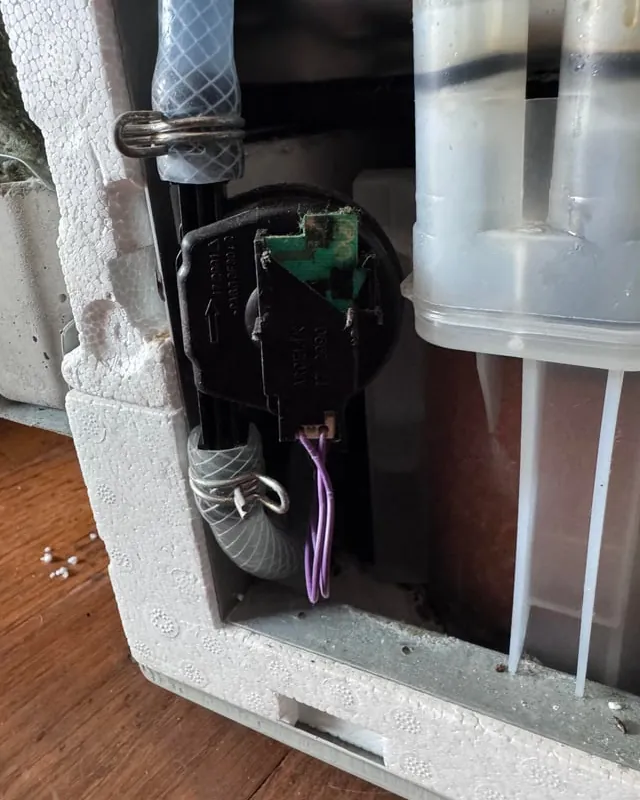
If your unit isn’t filling to the correct height, the heating cycle will often skip or fail entirely. If you hear a humming sound but no water enters, your inlet valve may be blocked by sediment from your pipes.
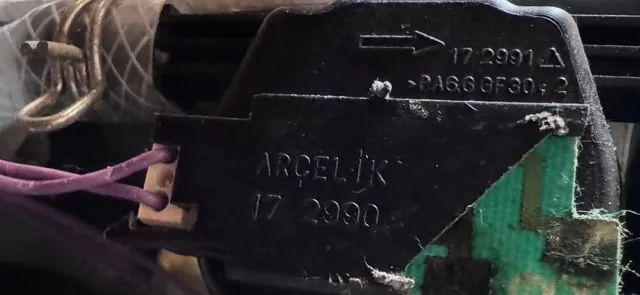
Safety: Inside a mains-powered machine, the parts behind the outer cover can hold a dangerous electrical charge even after it has been unplugged — that’s why they sit behind a cover. Opening the housing, or testing or replacing anything behind it, is a job for a qualified technician, never a home repair.
Clear the filter and spray arms
This fix is for users who notice that dishes are coming out dirty or the machine isn’t draining properly. Start by turning off the power at the wall outlet to ensure your safety. Open the door and remove the bottom rack to reach the filter assembly located at the floor of the tub. Twist the filter unit counter-clockwise to unlock it and lift it out.
Wash the filter under hot running water with a soft brush to remove grease and trapped food. If the mesh is damaged, you must replace the entire filter unit rather than trying to patch it, as a hole will allow debris into the pump. Once clean, inspect the spray arms for any blockages in the small holes. Use a toothpick to poke through any holes that look clogged with hard water deposits or food.
After cleaning, place the filter back into the floor of the tub and lock it by turning it clockwise until it clicks. If the unit still doesn’t drain, the obstruction might be further down in the drain hose. If you aren’t comfortable disconnecting the drain hose under your sink, contact a certified appliance technician to avoid causing a leak.
Check the door latch and seals
If your dishwasher refuses to start a cycle despite having power, the door latch is likely the culprit. This fix is for those who see lights on the display but get no response when pressing the start button. Inspect the rubber gasket around the door frame for any tears or food buildup. If the seal is dirty, wipe it down with a damp cloth; even a small crumb can prevent a proper water-tight seal.
Next, look at the metal strike plate on the door frame. If it’s bent or loose, the latch hook won’t catch properly. You can tighten the screws on the latch assembly using a standard screwdriver, but don’t over-tighten them as this can crack the plastic housing. If the door feels loose when closed, the hinges may need adjustment.
You’ll know this fix worked if the machine begins to fill with water immediately after you press start. If the door still feels “mushy” or fails to lock with a firm click, the internal latch mechanism may be worn out. Replacing a door latch is a task for a professional, as it involves removing the inner door panel and working near electrical wiring. Avoid the common mistake of forcing the door shut, which often snaps the plastic strike plate.
Reset the control board
Sometimes, the electronic brain of your dishwasher just needs a fresh start. This fix is for instances where the display is frozen or the machine is stuck in a loop. Locate the circuit breaker in your home’s main panel that controls the kitchen and flip it to the “off” position.
Wait a few minutes to ensure the control board has fully powered down. If you flip the breaker back too early, the residual charge will keep the board in its current state, rendering the reset useless.
After the wait, turn the breaker back on. Most units will run a short self-test when they regain power, which you can see on the display panel. If the error code clears, try running a short rinse cycle to verify the fix. This is worth the effort if your machine is acting erratically, but it won’t fix physical blockages like a broken pump or a torn hose.
If the machine immediately shows an error code again, the control board itself may be failing. This is a technical repair that requires specific knowledge of the wiring harness. Don’t attempt to open the control panel housing yourself, as there’s a risk of electric shock.
If the reset fails, check the door latch sensor first. A faulty latch prevents the board from initiating a cycle, which mimics a computer error. If the latch is loose but the board remains unresponsive, it’s time to call a professional technician.
Common mistakes to avoid
Using too much soap creates excess suds that confuse water level sensors. This often triggers a premature cycle termination, leaving your dishes coated in a film of undissolved chemicals. Stick to two tablespoons for a full load.
Pre-rinsing dishes renders modern enzymatic detergents ineffective. These formulas are designed to break down food proteins; simply scrape off large solids and let the machine handle the rest. Simply scrape off large solids and let the machine handle the rest.
Ignoring error codes is a costly gamble. If your unit displays a fault, stop immediately. Forcing a cycle while a sensor is blocked can overheat the motor, turning a simple drainage clog into a total pump failure.
Finally, avoid generic replacement parts. These components often lack the precise pressure ratings of original equipment. If a generic valve fails, it can cause internal leaks that void your warranty and cause water damage to your kitchen floor.
Maintaining your dishwasher for long life
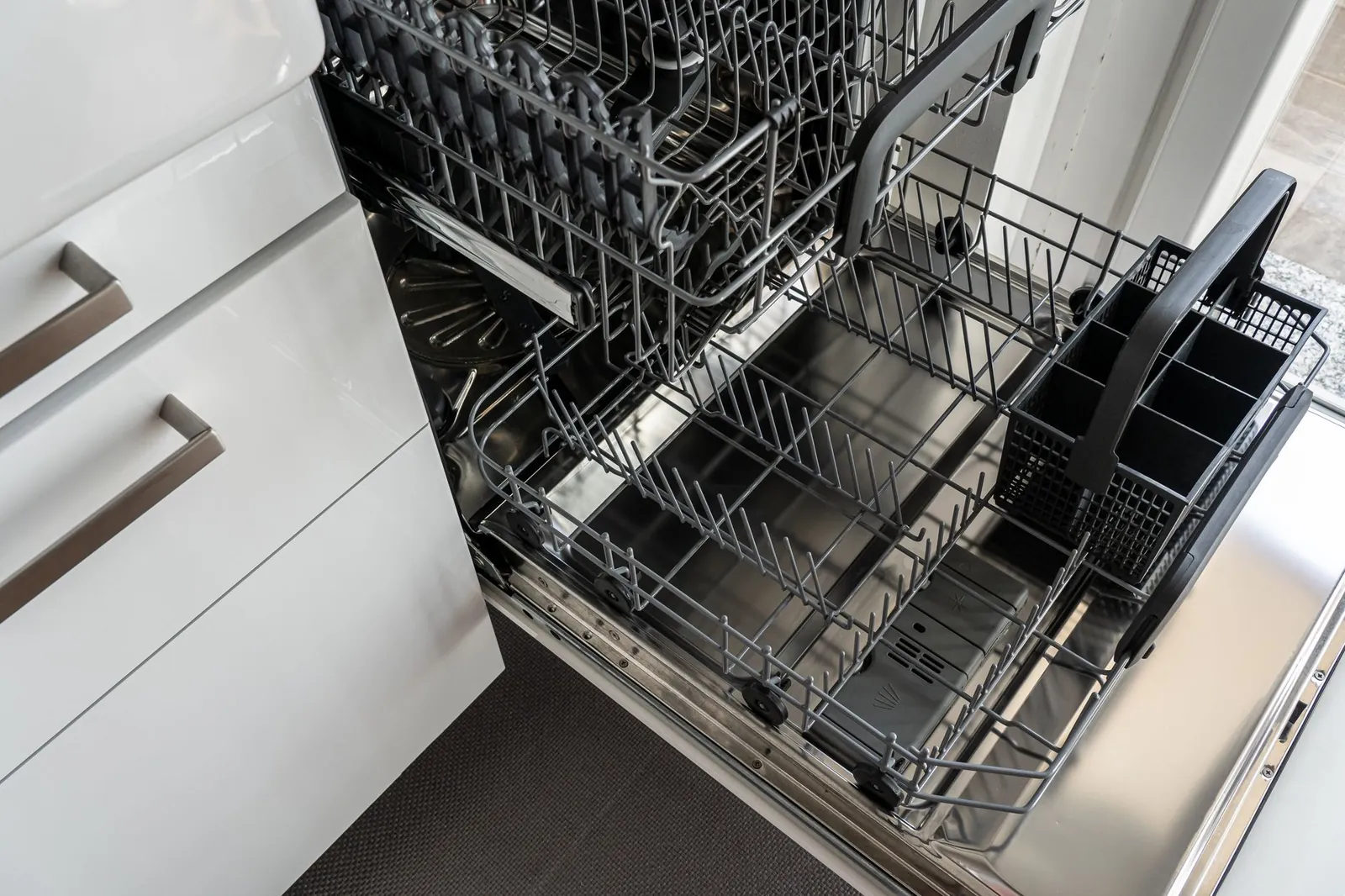
If you’re currently overloading the racks, stop and distribute items so they don’t block the spray arms. A dishwasher works by circulating water at high pressure; if your dishes block the path, the water can’t reach the soap dispenser or the items on the top rack.
| If you’re doing this | Do this instead | Why |
|---|---|---|
| Overloading the rack | Space items out | Allows water flow |
| Using high heat every time | Use eco-mode | Saves energy and parts |
| Leaving filter dirty | Clean it monthly | Prevents pump failure |
| Ignoring hard water | Use rinse aid | Stops mineral buildup |
Most people make the mistake of pre-rinsing dishes until they’re spotless before loading them. This tricks the machine’s soil sensor into thinking the cycle is finished, leading to shorter, less effective washes. You should scrape off large chunks of food but leave the film behind.
If your glassware has a cloudy white haze, your water is too hard. Add a rinse aid to the dispenser immediately to break surface tension. If the haze remains, your heating element may be failing to reach the necessary temperature to dissolve detergent.
Frequently asked questions
Can I fix a dishwasher that won’t drain?
You can fix a drain issue by removing the filter and clearing debris from the sump area. If the pump makes a grinding noise or fails to move water after cleaning, the pump is likely broken. In that case, stop using the machine and contact a professional technician for a replacement.
How long should a dishwasher cycle take?
A standard wash cycle typically lasts between 90 and 150 minutes, depending on the selected program. If your machine takes longer, it may be struggling to heat the water. Ensure your home water heater is set to at least 120 degrees Fahrenheit to allow the dishwasher to complete cycles within the expected time.
Is it safe to use my dishwasher if it leaks?
You should stop using the dishwasher immediately if you see water leaking to prevent damage to your floors and cabinetry. Check the door seal for debris and ensure the unit is level. If the leak originates from underneath the unit, contact a professional, as this indicates a failed pump seal or hose.
What happens if I use regular dish soap?
Using regular liquid dish soap will cause excessive suds that can overflow the machine and damage internal sensors. These suds are much thicker than dishwasher-specific detergent and don’t rinse away easily. If you accidentally added regular soap, scoop out the foam and run a drain cycle to remove the residue.
Why does my dishwasher smell bad?
Odors are usually caused by food particles decomposing in the filter or the rubber door seal. Resolve this by cleaning the filter monthly and wiping the gasket with water and vinegar. If the smell persists, run an empty cycle with a cup of white vinegar on the hottest setting to sanitize.
Conclusion
If you have tried the steps above and your appliance is still not working, it’s time to check your warranty status or contact a local service center. Most repairs involving internal electronics or motor components require special tools to ensure the machine remains safe for use in your home.