To charge your device or start a vehicle, you should perform fanttik t8 apex troubleshooting by checking the connection points, cable integrity, and battery state of charge. The most frequent cause of failure is a loose or oxidized connection at the battery terminals. If the unit doesn’t show lights or power output, the internal battery might be depleted or the safety protection mode could be active. You can fix most common issues by ensuring clean contact and following the correct power-up sequence.
Fixing your Fanttik T8 Apex startup issues
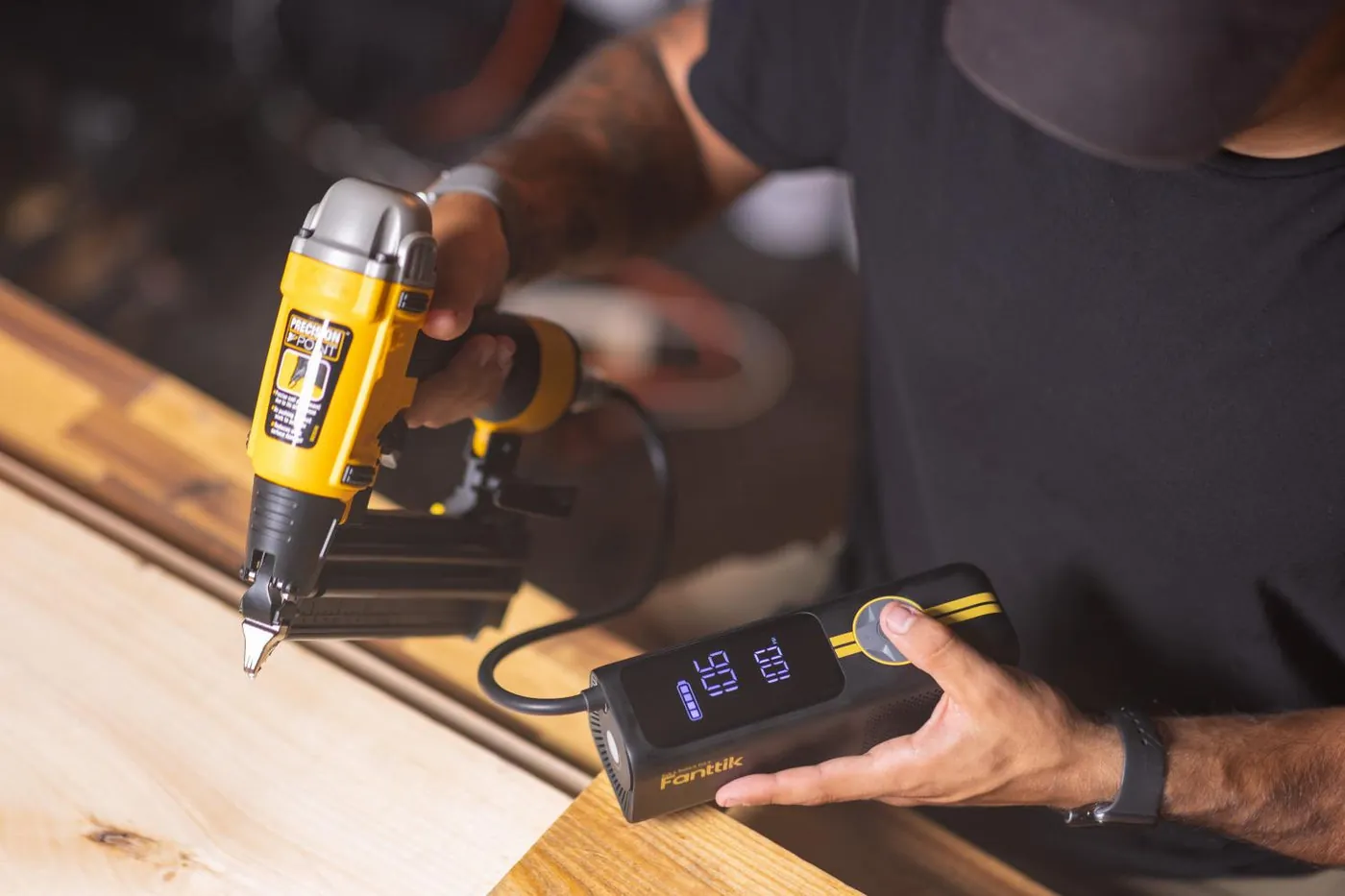
The primary reason for power issues involves the state of the vehicle battery and the connection quality. If your car battery is completely dead, below a certain voltage threshold, the jump starter may not detect it. Most modern jump starters include a safety feature that prevents power flow if it senses a short circuit or an improper connection. You must ensure the clamps have a firm, metal-to-metal grip on the battery posts.
Another common cause is the state of the charge inside the device itself. If you have stored the unit in a cold environment for a long time, the internal lithium battery will lose capacity. Lithium-ion batteries struggle to deliver high current in freezing temperatures. If the unit is below 50% charge, it might lack the “oomph” needed to turn over a cold engine. You should always keep the device topped up to ensure it’s ready for an emergency.
Finally, user error during the connection sequence often triggers the safety shutdown. If you touch the two clamps together after switching the unit on, the internal protection circuit will trip immediately to prevent damage. This is a deliberate design choice to protect the electronics inside the casing. You must keep the clamps separated until they’re attached to the correct battery terminals.
Inspect the clamps and cables
You should start by checking the physical condition of the jump start cable assembly. Look for any exposed wire, melted plastic, or bent metal teeth on the clamps. If the spring-loaded mechanism feels weak or the teeth can’t bite into the lead posts of the battery, the unit won’t pass enough current to start the engine. You must replace the cable set if the metal is heavily corroded or if the insulation is cracked.
If the cables are physically sound, focus on the contact point. You must scrape away any white, blue, or green corrosion from the car battery terminals. A wire brush is the best tool for this. If the clamps sit on top of this crust, the electricity can’t flow into the car’s electrical system. You’ll know the connection is good when the indicator light on the control box changes from blinking to solid.
This fix is intended for users who have basic experience with car maintenance. If you notice smoke, a burning smell, or the unit feels hot to the touch, stop immediately. These are signs of an internal electrical fault. You should contact the manufacturer’s support team for a warranty claim or professional inspection. Never attempt to disassemble the plastic housing, as this voids your warranty and creates a significant fire risk.
Reset the safety protection mode
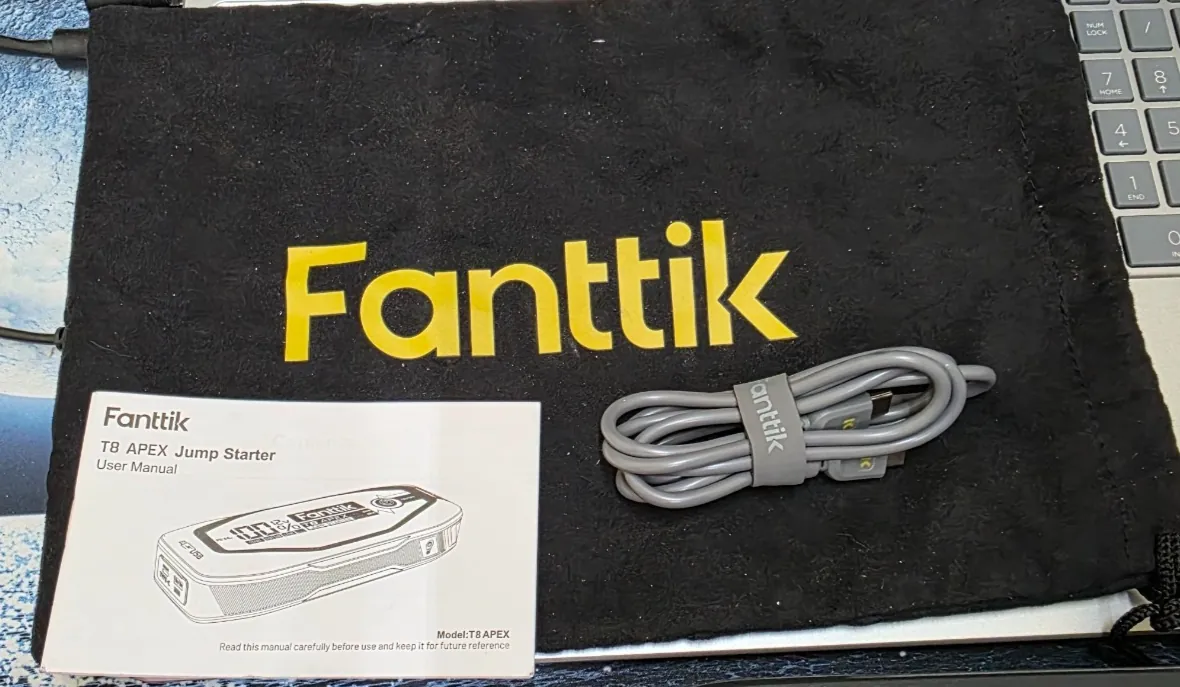
If the unit stops working during a jump attempt, it has likely entered a protection mode. This happens if the device detects a reverse polarity connection or a short circuit. To reset it, you must disconnect both clamps from the car battery and unplug the cable set from the main unit. Wait for at least 60 seconds before you try to connect it again. This pause allows the internal capacitors to discharge fully.
Once you have reset the system, follow the specific sequence for your vehicle. Plug the cable into the jump starter first, then attach the red clamp to the positive terminal. Attach the black clamp to a clean, unpainted metal part of the engine block or the negative battery post.
If the indicator light remains off or shows an error, check the battery voltage of the car. Some vehicles require the “boost” or “override” button to be held down for a few seconds to force power into a completely drained battery.
If the device still refuses to output power after a full reset, the internal management board may have failed. This isn’t a user-serviceable part. If the unit is within the warranty period, reach out to the manufacturer. If it’s out of warranty, you must buy a replacement unit. Don’t attempt to jump start a vehicle with a bulging or leaking battery, as this is a major safety hazard.
Update the charging method
Many power issues stem from using the wrong charging adapter. You should use a high-quality USB-C wall charger that provides a steady output of at least 5V/2A. If you use a very old, low-power phone charger, the device will take far too long to reach a full state. In some cases, it may never reach the 100% capacity needed for a difficult jump start.
Always use the original USB-C cable provided in the kit. Third-party cables often have thinner wires that can’t handle the charging current required for these large battery cells. If you see the charging lights blinking, it means the unit is currently accepting power. If the lights don’t turn on at all, try a different wall outlet or a different power brick.
If the unit stays at one or two bars after charging for 12 hours, the internal battery cells have likely reached the end of their lifespan. This happens faster if the unit is left in a hot car during the summer. Batteries degrade over time, and you can’t repair this physical limit. If you can’t get a full charge, the unit is no longer reliable for emergency roadside use and should be replaced.
Common mistakes to avoid
- Leaving the unit in a hot car: High temperatures permanently damage the chemistry of lithium batteries, reducing their ability to hold a charge.
- Connecting clamps in the wrong order: Always connect the jump starter to the battery before you try to turn the engine over.
- Attempting to jump a massive engine with a low charge: If the unit is below 50% capacity, it will likely fail to turn over a large V8 or diesel engine.
- Ignoring the indicator lights: The lights on the jump cable are there to tell you if the connection is safe; ignore them at your own risk.
- Using damaged cables: A frayed cable has higher resistance, which prevents the massive current flow needed for a successful engine start.
Preventing future power failures
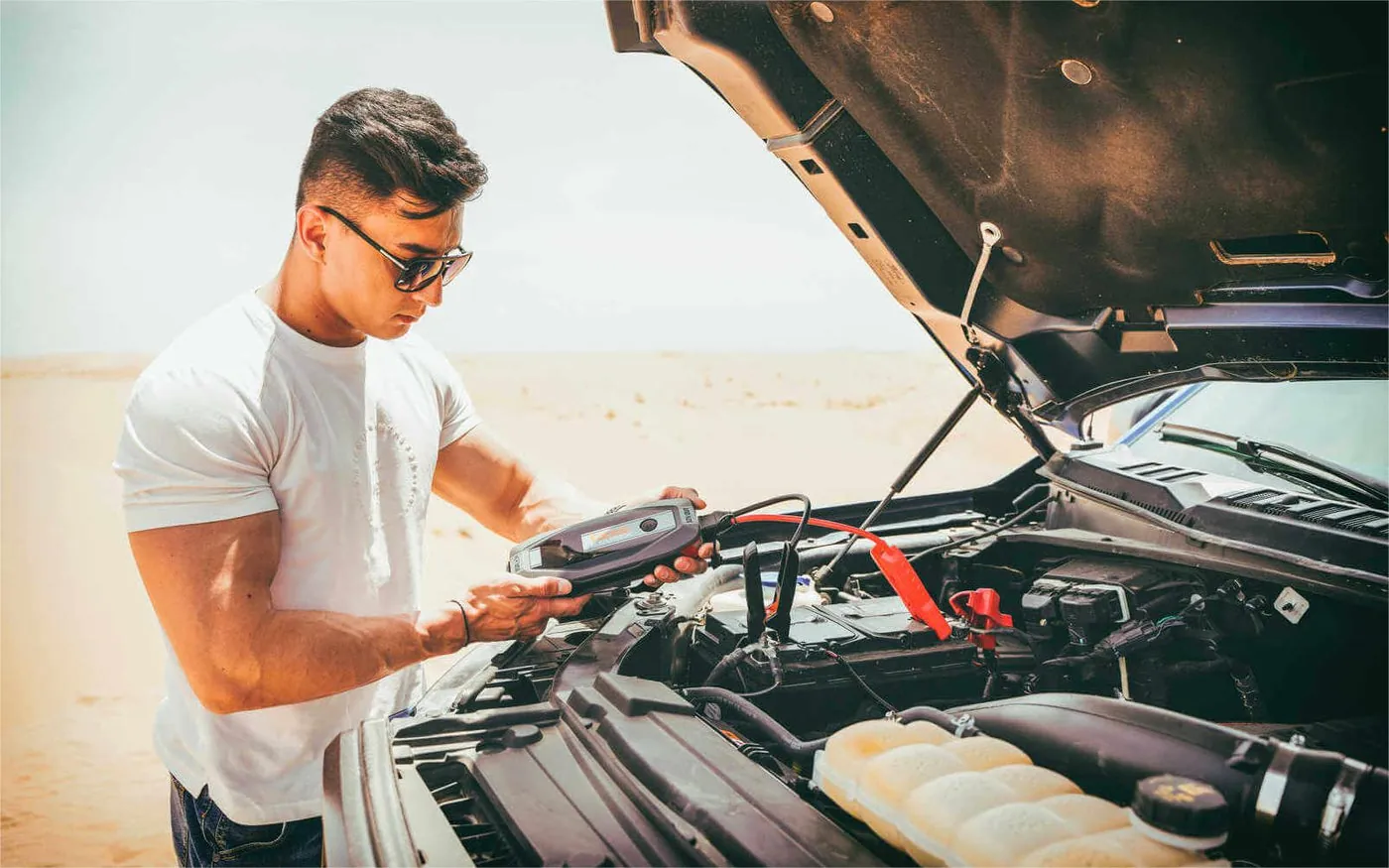
You can keep your jump starter in top shape by following a regular maintenance routine. Because batteries self-discharge over time, the frequency of recharging depends on your usage patterns. Consult your owner’s manual for the specific maintenance requirements for your device.
| If you’re doing this | Do this instead | Why |
|---|---|---|
| Storing in the glovebox | Store in a climate-controlled area | Heat ruins battery life |
| Using any random charger | Use a 5V/2A or higher adapter | Ensures a full, fast charge |
| Waiting for an emergency | Check charge every 90 days | Prevents deep discharge damage |
| Ignoring the error lights | Reset and check connections | Avoids short-circuiting the unit |
Frequently asked questions
How long does it take to fully charge?
The unit fully charges in 4 to 6 hours using a 5V/2A wall adapter. Slower chargers like computer USB ports can take 10 hours or more. Always check the indicator lights, as a solid bar confirms the battery is at 100%.
Is it safe to leave the unit in my car?
No, don’t leave the unit in your car during extreme heat or cold. High temperatures can cause the battery to swell, while extreme cold reduces power output. Store the device in a climate-controlled environment like your home or office.
Why does the red light stay on?
A red light indicates a reverse polarity connection or a short circuit. Immediately disconnect the clamps and ensure the red clamp is on the positive terminal and the black on the negative. If the light persists, unplug the cable to perform a hard reset.
Can I jump start a dead diesel engine?
Yes, you can jump start a diesel engine if the unit is at 100% capacity. Diesel engines require more cranking power due to higher compression. If the engine fails to start, wait 2 minutes to let the jump starter cool down before trying again.
What happens if I touch the clamps together?
The unit triggers short-circuit protection and cuts power to the clamps to prevent damage. This safety feature stops the battery from dumping energy, which could melt wires. Disconnect the cable from the jump starter and wait for the safety circuit to reset.
How many times can I jump start a car?
You can typically expect 10 to 20 starts on a single charge, depending on engine size. Smaller engines use less power than large V8s, so your mileage will vary. Always recharge the unit after every jump start to ensure maximum available current.
Conclusion
If you have tried the steps above and the unit still fails to function, it’s likely that the internal electronics or battery cells have reached the end of their service life. Don’t attempt to open the case to perform repairs, as this is a high-risk activity that can cause injury. Contact the manufacturer’s support department to verify your warranty status or to get guidance on proper recycling of the device.