To restore airflow or heat, you should check your thermostat settings and the circuit breaker panel as part of your first company air handler troubleshooting process. If the system is completely silent, the most common cause is a tripped breaker or a loose wire connection at the thermostat. Verify that your thermostat is set to “cool” or “heat” mode and that the temperature is set at least 5 degrees away from the current room temperature.
Troubleshooting a First Company Air Handler That Won’t Start
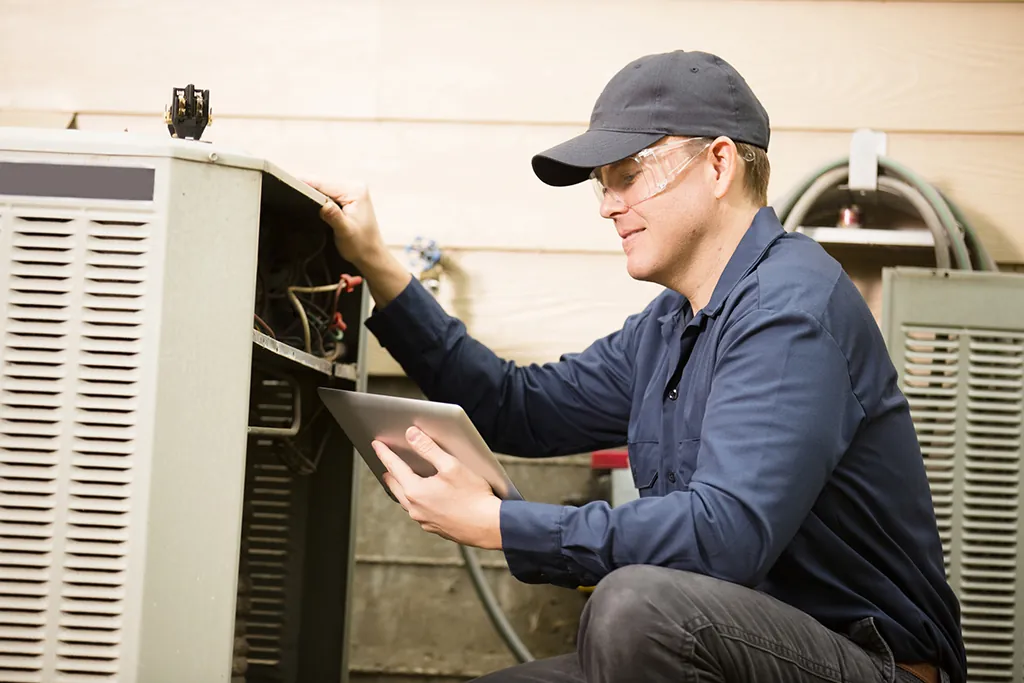
The primary reason these air handlers stop working is a loss of power or a safety switch that has engaged to prevent damage. When the internal sensors detect an issue, such as a clogged drain line or an overheated motor, the unit shuts down to protect itself. You can often identify the problem by checking the status of your home’s electrical panel or the physical state of the air filter.
Another frequent cause involves the safety float switch. If your condensate drain line becomes blocked by algae or debris, water will back up and trigger this sensor. This prevents the blower from running to avoid water damage inside your walls or ceilings. This is a common occurrence in humid climates where moisture buildup is constant. You can check the EPA’s guidance on indoor air quality to understand how proper airflow and cleanliness affect system performance and health.
Finally, consider the age of your equipment. Older units may experience mechanical wear in the blower assembly, which can cause the motor to hum without turning. If you hear a grinding noise, turn the system off immediately at the thermostat to prevent permanent damage to the motor. If the unit doesn’t respond to basic resets, it’s time to call a professional technician.
Reset the Power and Thermostat
If your unit has no power, the first step is to locate your home’s electrical breaker box. Look for a switch labeled “HVAC” or “Air Handler” that may have flipped to the “Off” or center position. If you see it, flip it all the way to “Off” and then back to “On.” This simple reset can clear minor electrical faults.
Next, check the thermostat. If the display is blank, your thermostat may have lost battery power or the low-voltage wire has disconnected. If you’re comfortable, you can remove the thermostat faceplate from the wall to ensure the wires are firmly connected to the terminals. If the screen remains blank after replacing the batteries, the issue lies within the control board or the wiring, which requires a licensed electrician or HVAC contractor to diagnose.
Never attempt to bypass a breaker or force a switch to stay on if it continues to trip. If the breaker trips again immediately after you reset it, stop using the system. This indicates a serious electrical short that carries a risk of fire or shock. In this scenario, you must stop all DIY attempts and contact a professional service company to inspect the wiring and internal components safely.
Inspect the Air Filter and Drain
A dirty air filter is the most common reason for restricted airflow. When the filter is clogged, the blower motor struggles to pull air through, which can cause the evaporator coil to freeze. Check your filter based on your usage and consult the owner’s manual for the manufacturer’s recommended maintenance frequency.
After checking the filter, look at the condensate drain line. This is usually a white PVC pipe near the air handler. If you see standing water in the overflow pan located beneath the unit, the drain is likely clogged. You can use a wet-dry vacuum to carefully clear the line from the outside exit point, but don’t pour harsh chemicals into the drain.
If you find water in the overflow pan, this is a clear sign that the system is doing its job by catching moisture, but it can’t drain properly. If clearing the line doesn’t solve the issue, or if you see visible mold growth on the internal components, don’t attempt to clean the inside of the air handler yourself. Cleaning internal coils requires specialized equipment and training to avoid damaging the delicate aluminum fins.
Verify the Safety Float Switch
The safety float switch is a small device connected to your drain line that acts as a kill switch for the entire system. When the water level in the drain pan rises, the float rises with it and breaks the electrical circuit. This is a deliberate safety feature designed to stop the blower from spreading water throughout your ductwork.
If the switch is broken, it will prevent the unit from turning on regardless of your thermostat settings. Replacing a float switch is a task for a professional, as it involves working with the low-voltage wiring of the air handler. If you aren’t familiar with electrical circuits, don’t attempt to bypass or replace this switch. A professional technician can verify the continuity of the circuit and replace the switch safely to restore operation.
What Not to Do During Repairs
Never attempt to open the main metal cabinet of the air handler. This exposes you to high-voltage electrical components and sharp internal metal edges. If you see a tripped breaker, reset it once. If it trips again, call a pro immediately to avoid an electrical fire.
Don’t use a garden hose to flush the drain line while it’s connected to the unit. This forces water into the electrical compartment, which causes short circuits. Disconnect the line at the union fitting first to ensure water flows safely away from the cabinet.
Avoid using compressed air to clear clogs unless you’re certain the drain line isn’t cracked. High pressure can burst brittle PVC pipes, leading to hidden water damage in your walls. If you hear a hissing sound while clearing the line, stop. You have likely blown a hole in the pipe.
Never attempt to repair or replace the start capacitor. These components hold a lethal electrical charge even after power is disconnected. Always use a professional for this task.
Don’t spray aerosol cleaners onto the evaporator coils. These substances corrode the metal, causing refrigerant leaks that cost thousands to repair.
How to Prevent Future Issues
You can maintain your system by following a simple schedule. The following table shows how to manage common issues before they become major repairs.
| If you’re doing this | Do this instead | Why |
|---|---|---|
| Changing filter yearly | Change every 30-90 days | Prevents coil freezing and motor strain |
| Ignoring water in pan | Clear the drain line | Stops the safety switch from killing power |
| Using high-MERV filters | Use standard pleated filters | Allows better airflow for your specific blower |
| Cleaning coils with water | Call a professional | Prevents electrical shorts and fin damage |
If your system is aging, you should monitor it closely for frequent repairs. The lifespan of these units varies based on the quality of installation and the frequency of maintenance, so check your original manual or contact the manufacturer with your serial number to confirm the expected service life for your specific model.
Related guides
Frequently Asked Questions
Can I fix a First Company air handler by myself?
You can perform basic maintenance like changing the air filter, but you shouldn’t attempt internal repairs. These systems contain high-voltage components that require professional training to handle safely. If basic troubleshooting fails, you must call a licensed HVAC technician to ensure the repair is done correctly.
How often should I check the drain line?
You should check your air handler’s drain line regularly to prevent clogs. In areas with high humidity, more frequent inspections are necessary to prevent algae growth. If you notice water in the overflow pan or the system shuts off unexpectedly, check the drain line immediately to see if it needs clearing.
Why does my air handler hum but not blow air?
A humming sound without airflow usually means the blower motor is trying to start but is stuck or the capacitor is failing. This can be caused by a heavy buildup of dust on the blower wheel or a mechanical failure within the motor bearings. Turn the system off at the thermostat immediately to prevent the motor from overheating or burning out, then contact a professional technician to perform a proper diagnosis.
Is it safe to bypass the float switch?
No, it’s never safe to bypass the float switch, as it’s a critical safety device designed to prevent water damage. If the switch is constantly tripping, it indicates an underlying drainage problem that needs professional attention. Bypassing the switch can lead to expensive damage to your home.
How do I know if my blower motor is broken?
You can suspect a broken blower motor if you hear grinding noises or smell burning odors followed by a lack of airflow. If the motor fails to engage, the internal components are likely damaged. This is a professional-level repair that requires specialized tools and technical expertise to complete.
What should I do if the circuit breaker keeps tripping?
If your air handler’s circuit breaker trips repeatedly, you must stop using the system and call a professional electrician or HVAC technician. This indicates a serious electrical fault, such as a short circuit in the wiring or a failing motor that’s drawing too much current. Continuing to reset the breaker can lead to overheating in the electrical panel, which poses a significant fire hazard to your home and family.
Conclusion
Proper maintenance of your air handler ensures the longevity of your heating and cooling system. By keeping the filters clean and monitoring the drain lines, you prevent the most common causes of system failure. When these basic steps don’t restore airflow, rely on a professional technician to handle the complex electrical and mechanical components. This protects your safety and ensures your home remains comfortable throughout the year.