
If your machine isn’t working, you can fix common issues with a fisher & paykel washer troubleshooting process by checking the power supply, the water intake valves, and the error codes on the digital display. The most common cause for these machines failing to start or finish a cycle is an unbalanced load or a blocked inlet filter. You can safely perform these checks yourself by inspecting the exterior connections and the drum. If these steps don’t resolve the issue, you should contact an authorized service technician.
Common Fisher and Paykel washer issues
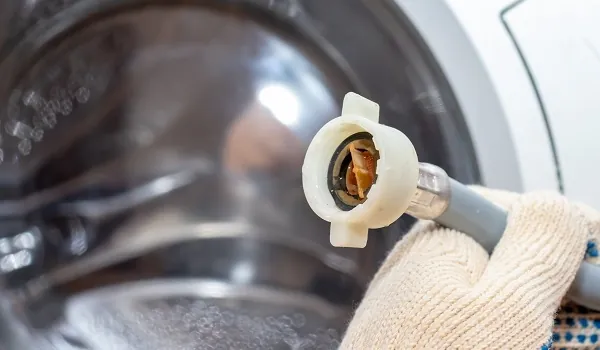
Most washer issues happen because the machine detects a problem that prevents it from running safely. When the sensors in the unit find an error, they pause the cycle to protect the motor and internal parts from damage. This is a standard safety feature built into all modern appliances to prevent water leaks or overheating.
The most frequent culprit is a blocked inlet valve or a clogged filter. Over time, mineral deposits from your water supply build up inside the mesh screens, which restricts the flow of water. If the washer can’t fill the drum in the required time, it will stop and display an error code to alert you.
Another common cause is an uneven load inside the drum. If you wash a heavy item like a rug or a large blanket, the weight can shift during the spin cycle. The internal balance sensor detects this vibration and shuts down the motor to prevent the drum from hitting the sides of the cabinet.
Always distribute heavy items evenly to keep the machine running smoothly. You can find the specific meaning of each error code in the official Fisher & Paykel support guides for your model. If you see a code that isn’t listed, note the number and call a professional.
Safety: Inside a mains-powered machine, the parts behind the outer cover can hold a dangerous electrical charge even after it has been unplugged — that’s why they sit behind a cover. Opening the housing, or testing or replacing anything behind it, is a job for a qualified technician, never a home repair.
Check the power and water connections
If the machine won’t turn on at all, you must first verify the power supply. Check your home circuit breaker or fuse box to ensure the power to the laundry room hasn’t tripped. If the breaker is fine, make sure the plug is pushed firmly into the wall outlet and that the cord isn’t damaged.
Next, inspect the water hoses on the back of the unit for any kinks or bends. If the hoses are twisted, the water can’t reach the machine, and the cycle won’t begin. Ensure that both the hot and cold water taps are turned fully open. If your home has low water pressure, the machine may take too long to fill, which causes a timeout error.
If you’re unsure about your pressure, check if your kitchen faucet fills a gallon jug in under 30 seconds. If it takes longer, your home pressure is likely too low for the machine’s sensors.
If you have checked these items and the machine still doesn’t respond, the problem might be an internal control board failure. This isn’t a task for a home user, as it requires specialized tools. If the unit remains dead after you reset the power at the breaker, call a technician to examine the electrical parts.
Clear the inlet filters and drain pump
Cleaning the inlet filters is a simple way to restore water flow if the machine is filling slowly. Turn off the water taps and unscrew the hoses from the back of the washer. You’ll see a small mesh screen inside the inlet port. Use a soft brush to remove any dirt or minerals, then rinse it under running water before you reattach the hoses.
The drain pump filter is another area that needs regular attention. If the water isn’t draining properly, the pump may be blocked by small items like coins, buttons, or hair. Open the small access door at the bottom front of the machine to find the drain pump filter. Place a shallow tray on the floor to catch the water, then unscrew the filter slowly to let the liquid drain out.
This fix is for you if you notice standing water in the drum at the end of a cycle. If you find a large object stuck inside the pump housing, remove it carefully with needle-nose pliers. Once the path is clear, screw the filter back in firmly to prevent leaks. If the pump makes a loud grinding noise, it may be failing, and you should call a professional to replace it.
Reset the machine and level the base
Sometimes a simple system reset can clear a temporary software glitch. To reset the machine, turn it off at the wall and wait for 60 seconds before plugging it back in. This allows the internal memory to clear and forces the computer to re-check the sensors. After you turn it back on, try to run a short rinse-only cycle to see if the error persists.
If the machine shakes or walks across the floor, it’s likely not level. Use a spirit level on top of the machine to check if it sits flat on the floor. If it tilts, adjust the feet at the bottom by turning them clockwise or counter-clockwise until the unit is stable. A machine that isn’t level will trigger a balance error frequently, which puts extra stress on the suspension rods.
This isn’t for you if you’re unable to lift or tilt the machine safely. If the floor is uneven or the feet are rusted, you may need a second person to help you lift the unit to make the adjustments. If the machine continues to vibrate after you have leveled it, the suspension springs inside the cabinet may be worn out. Replacing these requires internal access, so you should hire a technician.
What not to do
Never force the door open while the machine is running. Doing so snaps the plastic housing of the safety lock, a repair that often requires a complete control board replacement.
Don’t use heavy-duty cleaning chemicals inside the drum. Harsh solvents corrode the stainless steel finish and degrade the integrity of the rubber door seals. If you see a leak at the front gasket, check if you have been using industrial-grade degreasers.
Avoid overloading the drum beyond the manufacturer’s weight limit. Excess weight creates friction that forces the motor to overheat, significantly shortening the life of the drive belt. If the drum struggles to rotate during the initial spin cycle, you have exceeded the capacity.
Don’t attempt to bypass the door interlock switch. This vital safety feature prevents the drum from spinning while the door is open. Bypassing it creates a severe injury risk and instantly voids your manufacturer warranty.
How to stop it happening again
To keep your machine working well, follow a routine check of the connections and the drum contents.
| If you’re doing this | Do this instead | Why |
|---|---|---|
| Leaving items in pockets | Check pockets before washing | Prevents pump blockages |
| Using too much detergent | Use the recommended amount | Reduces soap residue build-up |
| Ignoring small vibrations | Level the machine feet | Prevents suspension damage |
| Washing heavy rugs alone | Wash with a few towels | Balances the drum load |
Most users wait for a total failure before acting, but the cost of a blown pump is often much higher than a simple filter cleaning. Check your drain filter based on your usage patterns; refer to your owner’s manual for the correct maintenance frequency. If you notice water pooling, your seal is likely compromised.
If the machine dances across the floor during a spin cycle, stop the load immediately. If you hear a rhythmic thumping, the drum is overloaded; remove one heavy item to save the motor. Always prioritize stability over speed.
Frequently asked questions
How long should a wash cycle take?
A standard cycle takes 45 to 90 minutes depending on settings and water temperature. If your machine consistently takes longer, it may be struggling to drain or fill due to a clog or kink. Check your control panel’s estimated time display to confirm if the timing is normal for your specific cycle.
Is it safe to clean the pump filter myself?
Yes, you can safely clean the pump filter if you turn off the power and prepare a tray for water. The filter is designed for owner access to prevent blockages. If the filter is stuck or you see leaks, stop immediately and contact a professional to avoid damaging the plastic threads.
Why does my washer show an error code?
An error code appears because the onboard computer has detected a fault preventing the cycle from completing safely. These codes often trigger for simple issues like an uneven load or low water pressure. Check your user manual to identify the specific meaning, as persistent codes may indicate a hardware issue.
How often should I clean the inlet filters?
You should clean the inlet filters regularly to ensure proper water flow. Areas with high mineral content cause faster buildup, which reduces flow and can trigger timeout errors. Consult your owner’s manual for recommended maintenance, as the frequency depends on your specific usage and water quality.
Can I fix a broken door lock myself?
No, you can’t fix a broken door lock because it involves internal electrical wiring and safety mechanisms. Attempting to repair this switch creates a fire hazard and risks improper locking. If the door fails to operate, you must call an authorized technician to replace the assembly safely.
What happens if I use the wrong detergent?
Using the wrong detergent causes excessive suds that can overflow and damage sensitive electronic components. High-efficiency machines require low-sudsing soap to function correctly, as regular soap creates too many bubbles for sensors. If you use the wrong type, run a rinse-only cycle to clear the soap before washing clothes again.
Conclusion
Keeping your appliance in top shape doesn’t have to be a headache. If you’re still having trouble, don’t hesitate to reach out to the manufacturer’s support team for expert guidance. They’ll help you get things running smoothly again, so you won’t have to worry about your laundry piling up for long.