Is your furnace making strange noises or failing to blow warm air? If your home isn’t heating properly, the problem might be your furnace blower motor.
Understanding how to spot and fix issues with this key part can save you time, money, and discomfort. You’ll find simple, clear steps to troubleshoot your furnace blower motor like a pro—even if you’re not an expert. Keep reading to take control of your heating system and stay warm all winter long.
Common Furnace Blower Motor Issues
Furnace blower motors play a key role in heating your home. They push warm air through the ducts and vents. When the motor has problems, your home may not heat properly. Understanding common issues helps you spot problems early. This saves time and money on repairs.
Many furnace blower motor problems are simple to fix. Some issues need professional help. Knowing these problems can guide your next steps. Below are some common furnace blower motor issues to watch for.
Motor Not Running
The motor may fail to start at all. This can happen due to power issues or a blown fuse. Sometimes the motor’s capacitor is faulty. Check the electrical connections for any loose wires. A worn-out motor might need replacement.
Noisy Operation
Loud or unusual noises suggest trouble. Grinding or squealing sounds often mean worn bearings. A loose fan blade can cause rattling. Dirt buildup also makes the motor noisy. Regular cleaning and lubrication can reduce noise.
Intermittent Functioning
The motor runs on and off unexpectedly. This can be caused by overheating or electrical problems. A failing thermostat may also cause this issue. Loose wiring can interrupt power flow. Troubleshooting these points can restore steady operation.
Overheating Problems
The motor becomes very hot during use. Overheating can damage the motor permanently. Blocked vents or dirty filters reduce airflow and cause heat buildup. A malfunctioning blower wheel can also cause overheating. Keep parts clean and check airflow regularly.
Tools Needed For Troubleshooting
Troubleshooting a furnace blower motor requires specific tools. These tools help find problems quickly and safely. Having the right tools ready makes the job easier. It also prevents damage to the motor or other parts.
Basic Hand Tools
Start with simple hand tools. A screwdriver set helps remove covers and panels. Pliers assist in gripping and pulling wires. A wrench set tightens or loosens bolts. These tools are essential for basic repairs and inspections.
Multimeter Use
A multimeter measures electrical values like voltage and resistance. It shows if the blower motor gets power. It also checks if coils inside the motor are broken. Knowing how to use a multimeter speeds up troubleshooting. It helps spot electrical problems accurately.
Safety Equipment
Safety comes first during any repair. Wear safety glasses to protect your eyes. Use insulated gloves to avoid electric shock. Turn off power to the furnace before starting work. Following safety steps prevents injuries and accidents.
Step-by-step Troubleshooting Guide
Troubleshooting a furnace blower motor can seem tough. A clear, step-by-step guide helps simplify the process. This guide breaks down key checks to find the problem fast. It covers power, motor parts, and the blower wheel.
Follow each step carefully. Safety first. Turn off power before starting any check. This guide helps avoid common mistakes and saves time.
Checking The Power Supply
Start by making sure the blower motor gets power. Check the circuit breaker or fuse box. Reset any tripped breakers. Replace blown fuses. Use a voltage tester on the motor’s power wires. Confirm proper voltage is present. No power means the motor won’t run.
Inspecting The Motor And Wiring
Look closely at the motor and its wiring. Find loose or damaged wires. Tighten any loose connections. Replace frayed or burnt wires. Check the motor for signs of wear or burn marks. A damaged motor may need replacing. Clean away dust or debris around the motor.
Testing The Capacitor
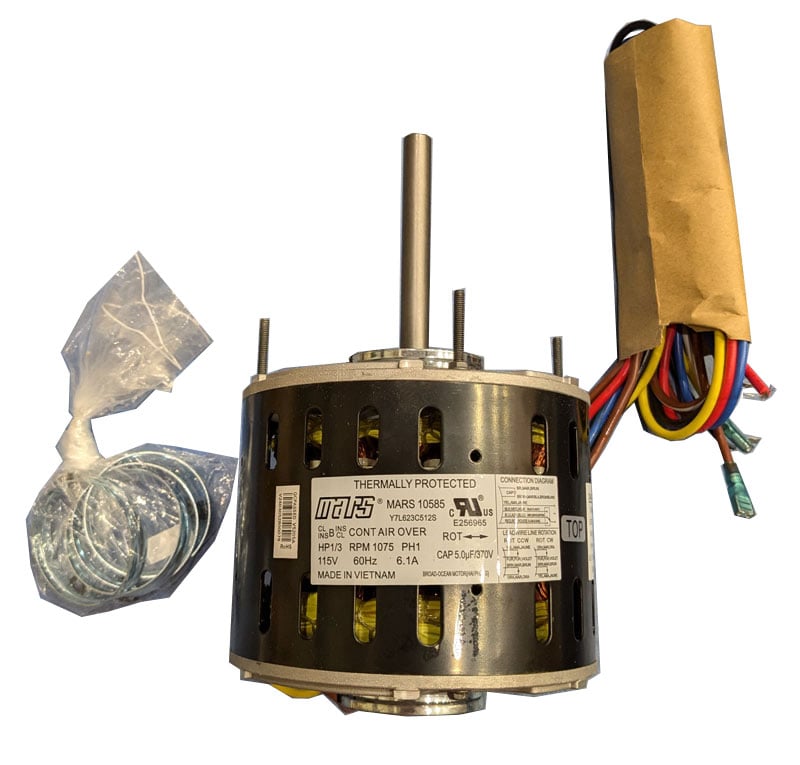
The capacitor helps the motor start and run smoothly. Find the capacitor near the blower motor. Use a multimeter to test its charge. A weak or dead capacitor can stop the motor. Replace a faulty capacitor with one of the same rating.
Examining The Blower Wheel
Inspect the blower wheel for dirt and damage. Dirt buildup can slow the wheel down. Clean the wheel carefully with a brush. Check for bent or broken blades. Damaged blades reduce airflow and cause noise. Replace the blower wheel if needed.
Credit: polienvasestransparentes.com
Quick Fixes For Common Problems
Furnace blower motors can stop working properly for many simple reasons. Many common problems have easy fixes. These quick solutions can save time and money. They often restore your furnace’s function fast. Below are some quick fixes anyone can try safely.
Cleaning And Lubricating The Motor
Dirt and dust build up inside the blower motor. This causes it to run poorly or stop. Cleaning removes debris that blocks movement. Use a soft brush or cloth to clean. Lubricate the motor bearings with light oil. This helps the motor run smooth and quiet. Regular cleaning extends the motor’s life.
Replacing Faulty Capacitors
The capacitor helps the motor start and run. A bad capacitor can cause humming or no start. Check the capacitor for bulges or leaks. Replace it with a new one matching the specs. This fix often restores the motor’s power. Make sure to turn off power before working.
Tightening Loose Connections
Loose wires cause the motor to fail or stop. Inspect all electrical connections for tightness. Use a screwdriver to tighten any loose screws. Secure wire terminals firmly. This improves electrical flow and motor operation. Loose connections are a common, easy fix.
Clearing Obstructions
Objects can block the blower wheel or vents. This reduces airflow and strains the motor. Turn off the furnace and check for blockages. Remove leaves, dust bunnies, or debris in the blower area. Clear vents and ducts to improve airflow. A clear path helps the motor work well.
When To Replace The Blower Motor
Knowing when to replace your furnace blower motor is key to keeping your home warm and safe. This motor moves air through the furnace and vents it into your rooms. A failing motor can cause poor heating and higher energy bills. Recognizing the right time to replace it saves money and avoids bigger issues.
Signs Of Motor Failure
Listen for unusual noises like grinding or squealing sounds. These often mean the motor’s bearings or fan blades are damaged. Notice if the blower runs only sometimes or not at all. Frequent overheating or the motor shutting off quickly also signals trouble. Weak airflow from vents means the motor might be losing power. Look for a burning smell; it shows the motor could be overheating.
Cost Vs. Repair Considerations
Replacing a blower motor costs more upfront but lasts longer. Repairing might be cheaper now but can lead to repeated problems. Think about the motor’s age. Older motors wear out more and may need replacement. Compare repair costs to a new motor’s price. Consider energy savings too; new motors use less power. A new motor can reduce future repair bills and keep your furnace reliable.
Preventive Maintenance Tips
Keeping your furnace blower motor in good shape saves money and avoids breakdowns. Regular care helps the motor run smoothly and last longer. Small checks and simple cleaning can prevent big problems.
Regular Cleaning Schedule
Dust and dirt slow down the blower motor. Clean the motor and fan blades every few months. Use a soft brush or cloth. Avoid water or harsh chemicals. Clean vents and filters too. Clean parts mean better airflow and less strain.
Checking Electrical Components
Look at wires and connections for signs of wear. Loose or frayed wires cause poor motor performance or failure. Tighten any loose connections. Replace damaged wires quickly. Inspect the capacitor, a part that helps the motor start. A weak capacitor causes trouble starting.
Keeping The Area Clear
Keep the space around the furnace free of clutter. Dust and objects near the motor can block airflow. Good airflow keeps the motor cool. Avoid stacking items or storing flammable materials close by. A clear area helps the motor work safely and efficiently.
Expert Advice For Long-term Performance
Keeping your furnace blower motor running smoothly ensures your home stays warm and comfortable. Regular care helps prevent costly repairs and extends the motor’s life. Simple steps and smart choices make a big difference in long-term performance.
Follow expert tips to keep the blower motor efficient and reliable through many heating seasons.
Choosing Quality Replacement Parts
Using good parts keeps your furnace running well. Cheap parts may fail quickly and cause more damage. Choose parts that match your furnace model. Look for parts made by trusted brands. Quality parts fit better and last longer. This saves money and reduces breakdowns.
Professional Inspection Recommendations
Experts suggest getting your furnace checked yearly. A professional can find small problems before they grow. They check the blower motor, belts, and wiring. Regular inspections improve safety and efficiency. Trust a certified technician for detailed checks. Early fixes keep your motor working well.

Credit: www.youtube.com

Credit: stogagirlssoccer.com
Frequently Asked Questions
What Are Common Signs Of A Faulty Furnace Blower Motor?
A noisy or vibrating motor often signals a problem. Reduced airflow or no air at all also shows motor issues. Frequent cycling of the furnace can be a warning sign too.
How Can I Test My Furnace Blower Motor At Home?
Turn off power first. Use a multimeter to check the motor’s electrical resistance. Listen for unusual noises when the motor runs. These steps help spot simple motor faults.
Why Does My Furnace Blower Motor Keep Overheating?
Overheating usually means the motor is working too hard. Dirty filters or blocked vents cause this strain. Also, worn-out bearings can make the motor hot.
Can A Dirty Blower Motor Cause Furnace Problems?
Yes, dirt clogs the motor and slows it down. This leads to poor airflow and higher energy use. Regular cleaning keeps the motor running smoothly.
When Should I Call A Professional For Blower Motor Issues?
Call a pro if the motor won’t start or makes loud noises. Also seek help when electrical checks show problems. Professionals can safely fix complex blower motor faults.
Conclusion
Troubleshooting your furnace blower motor helps keep your home warm and safe. Start with simple checks like power supply and thermostat settings. Clean or replace dirty filters to improve airflow. Listen for unusual sounds from the motor or fan. Catching small problems early saves money and stress.
Regular maintenance extends your furnace’s life. Remember, safety first—turn off power before inspecting. Taking these steps can make your furnace work better. Stay comfortable through cold seasons with a well-running blower motor.