If your heating or cooling system fails to start or runs constantly, hvac relay troubleshooting is the best way to identify if a faulty switch is the culprit. A common cause for this issue is a stuck contactor or a burnt-out coil, which prevents the system from receiving the signal to activate. You can often spot these signs by listening for a rapid clicking sound or noticing that the blower fan stays on even when the thermostat is set to off.
Troubleshooting a faulty HVAC relay
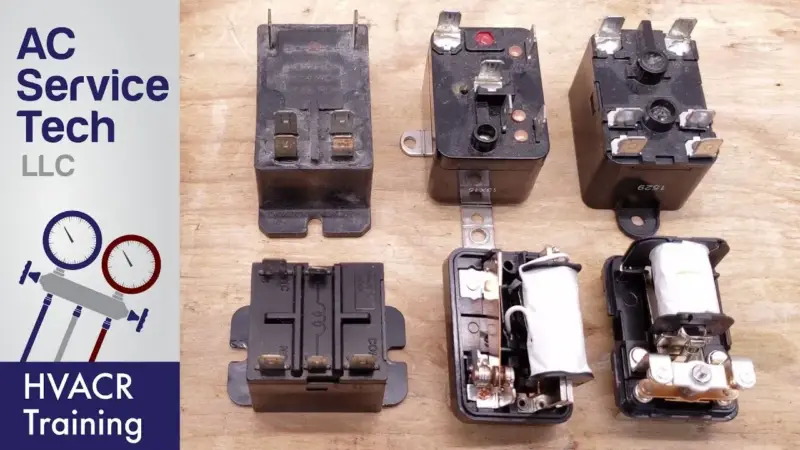
The primary reason for relay failure is the natural wear and tear of electrical components over time. Every time your system turns on, the relay creates a physical connection to complete the circuit. Over many cycles, this constant movement can lead to pitted contacts or a coil that no longer has the strength to pull the switch closed. If you notice your unit hums but doesn’t engage, the relay is likely struggling to bridge the gap.
Another common factor is the accumulation of dust and debris inside the control panel. When dirt gets between the metal contacts, it creates resistance that causes the part to overheat. This heat can melt the plastic housing or fuse the contacts together, which keeps the system trapped in a single state. If the relay is stuck in the closed position, your blower or compressor will run indefinitely regardless of the temperature settings on your wall unit.
Environmental conditions also play a role in how long these parts last. If your system is located in a damp basement or near the coast, salt and moisture can speed up corrosion on the metal terminals. This oxidation prevents a clean electrical signal from passing through.
The U.S. Department of Energy notes that maintaining clean, tight electrical connections is essential for the efficiency and longevity of your home cooling and heating equipment. If you see signs of charring or heavy rust on the wires leading to the control board, the system is likely suffering from these external factors.
Safety: Inside a mains-powered machine, the parts behind the outer cover can hold a dangerous electrical charge even after it has been unplugged — that’s why they sit behind a cover. Opening the housing, or testing or replacing anything behind it, is a job for a qualified technician, never a home repair.
Check the thermostat signal first
Before assuming the relay is broken, verify that your thermostat is actually sending the correct signal to the furnace or air handler. If the thermostat display is blank or shows a low battery icon, the relay will never receive the power it needs to trigger the system. Ensure the system switch is set to “cool” or “heat” and the temperature is adjusted at least five degrees beyond the current room temperature.
Listen closely at the indoor unit when you adjust the thermostat. If you hear a single, solid “click” but nothing happens, the relay is likely trying to engage but failing to pass the power to the motor or compressor. If you hear no sound at all, the issue might be a loose wire or a tripped circuit breaker rather than the relay itself.
If the system remains silent, check your electrical panel for any tripped breakers. A tripped breaker often indicates that the relay or the motor it controls has drawn too much current. If the breaker trips again immediately after you reset it, don’t attempt to force it to stay on. This is a sign of a serious short circuit that requires a professional HVAC technician to inspect the wiring and internal motor components safely.
Inspect for physical signs of wear
Visual inspection is a simple way to confirm if a relay is physically damaged, provided you only look at the exterior of the control box. Many modern systems use transparent plastic covers that allow you to see the internal contact points. If you see black soot or melted plastic around the relay, the component has experienced an electrical arc and must be replaced.
A clear sign that the relay is the problem is a “chattering” sound. This happens when the coil attempts to pull the contacts together but lacks the magnetic force to hold them in place. The relay rapidly opens and closes, creating a loud buzzing or vibrating noise. If you hear this, turn the power off at the main breaker immediately to prevent damage to your blower motor or compressor.
If you’re comfortable removing the access panel, look for signs of loose spade connectors. Sometimes, the vibration of the system causes the push-on wire terminals to wiggle loose. If a wire is dangling or clearly disconnected, you can gently push it back onto the terminal. If the terminal itself is burnt or discolored, don’t attempt a repair. This indicates the metal has lost its temper and won’t hold a connection, which is a fire hazard.
Know when to call a professional
There are times when the problem is beyond a simple visual check. If you smell burning plastic or hear a loud hum without any air movement, stop all interactions with the unit. These symptoms suggest an internal short circuit or a seized motor, which can lead to expensive damage if you continue to operate the system.
If you have confirmed that the thermostat is working and the connections are tight, but the system still fails to operate, the internal coil of the relay may have failed. Replacing a relay involves handling high-voltage wiring that connects directly to the power supply. Because of the risk of electrical shock and the potential to void your manufacturer’s warranty, you should always hire a licensed HVAC contractor for any component replacement.
Before calling, check your circuit breaker box. If the breaker for the HVAC system is tripped, reset it once. If it trips again immediately, don’t attempt further troubleshooting. This indicates a hard short that requires a professional to isolate before the wiring insulation melts.
The cost and complexity of this repair depend on your specific system model and the accessibility of the control board. For units that are located in cramped attics or crawl spaces, the labor time will be significantly higher than for a unit in an open basement.
You can find the specific model number on your air handler or furnace nameplate to give to a professional, which helps them arrive with the correct parts. Providing this number over the phone saves you the diagnostic fee for a second trip.
Common mistakes to avoid
Resetting the breaker repeatedly forces a circuit breaker to stay on when it trips. This habit causes permanent damage to your HVAC motors or wiring. If the breaker trips twice in one hour, stop resetting it. You have a short circuit that will melt your control board if you keep forcing the power back on.
Cleaning contacts with sandpaper removes the factory-applied silver or rhodium coating. Once this protective layer is gone, the copper underneath oxidizes rapidly. This leads to pitting and eventual welding of the contacts. Use a dedicated electrical contact cleaner instead.
Replacing with the wrong part is a common error. HVAC relays are specific to the voltage and amperage of your system. A relay rated for 24V can’t handle line voltage. Using a generic part leads to a fire or complete system failure.
Ignoring the smell of ozone is dangerous. A faint, sweet, or acrid smell near the control panel is a warning sign of electrical arcing. Shut off the power immediately.
How to stop it happening again
To keep your system running smoothly, you must address the conditions that cause electrical stress. Regular maintenance reduces the chance of a relay failing when you need it most.
| If you’re doing this | Do this instead | Why |
|---|---|---|
| Ignoring dust buildup | Vacuum the cabinet | Dust causes overheating and arcing. |
| Using mismatched fuses | Use the exact rating | Wrong fuses lead to electrical fires. |
| Tightening wires while on | Cut all power first | Prevents dangerous electrical shock. |
| Waiting for total failure | Schedule annual checkups | Catches worn parts before they break. |
Pitting on the relay contacts often signals that your contactor is laboring under high voltage spikes. If you see black carbon deposits, replace the entire contactor assembly immediately. Cleaning the surface only masks the underlying mechanical wear.
Check your blower motor capacitor every spring. A weak capacitor forces the relay to handle higher current loads than it was designed to carry. If the capacitor measures more than 10% below its rated microfarad value, swap it out. This simple step prevents the relay from welding shut during the first heat wave of the year.
Frequently asked questions
Can I fix a stuck relay by tapping it?
Tapping a relay is only a temporary fix that fails to address the underlying cause of the malfunction. While it may unstick the contacts for one cycle, the internal metal damage remains. This will cause the relay to stick again or weld shut, creating a significant fire risk.
How long does an HVAC relay usually last?
An HVAC relay typically lasts between 10 and 15 years, depending on how often your system cycles. Systems in climates requiring constant heating or cooling cycle more frequently, which wears down the mechanical contacts faster. Lifespan may be shorter if your home experiences frequent power surges or extreme temperature fluctuations.
Is it safe to leave the system on if the relay is buzzing?
No, you shouldn’t leave the system on because the buzzing indicates the relay is rapidly arcing. This process generates intense heat that can melt the housing, damage the motor, or start a fire. Turn off the power at the service disconnect immediately and contact a licensed technician for repairs.
Can a bad relay damage my furnace blower motor?
Yes, a bad relay can cause severe damage to your blower motor by sending inconsistent voltage to the device. When a relay chatters, it creates “dirty” power that causes the motor to overheat or draw excessive current. Shutting the system down immediately prevents this potentially expensive secondary damage to the motor windings.
How do I know if the relay is the cause of the problem?
You can identify a relay issue by listening for mechanical sounds during a call for heat or air. If the thermostat clicks but the system doesn’t respond, the relay is likely failing. Because faulty sensors or control boards can mimic these symptoms, a professional should verify the electrical flow first.
Conclusion
If your system still won’t cooperate after you’ve checked the connections, it’s time to call a professional. Don’t hesitate to reach out to a local technician if you’re feeling unsure about the wiring. They’ll get your home comfortable again quickly, so you won’t have to worry about the temperature anymore.