Is your irrigation system acting up when you need it most? If your garden or lawn isn’t getting the water it needs, the problem might be with your irrigation solenoids.
These small devices control the flow of water, and when they fail, your plants can suffer. But don’t worry—troubleshooting irrigation solenoids is easier than you think. You’ll discover simple steps to identify and fix common solenoid issues quickly. Keep reading to save time, avoid costly repairs, and keep your greenery thriving all season long.
Common Irrigation Solenoid Problems
Irrigation solenoids control the flow of water in irrigation systems. They help turn valves on and off automatically. Sometimes, these solenoids face problems that stop the system from working properly.
Knowing common solenoid problems helps in quick fixing. It saves water and keeps your plants healthy. Here are some typical issues that occur with irrigation solenoids.
Solenoid Not Activating
One common problem is when the solenoid does not activate. This means the valve does not open or close. Causes include a broken solenoid coil or wiring problems. Dirt or debris inside the solenoid can block movement. Testing the coil with a multimeter helps find electrical faults.
Valve Stuck Open Or Closed
Sometimes, the valve stays open or closed. This can waste water or stop irrigation. Dirt or sand often causes valves to stick. The solenoid may not send the correct signal to the valve. Cleaning the valve and solenoid parts usually fixes this issue.
Intermittent Operation
The solenoid may work sometimes but fail at other times. Loose wires or poor connections cause this problem. Water pressure fluctuations can also affect solenoid function. Regular inspection of wiring and system pressure can prevent this issue.
Electrical Issues
Electrical problems are common with irrigation solenoids. Broken wires, blown fuses, or faulty controllers stop the solenoid from working. Moisture can cause corrosion on terminals. Checking all electrical parts ensures smooth operation of the system.
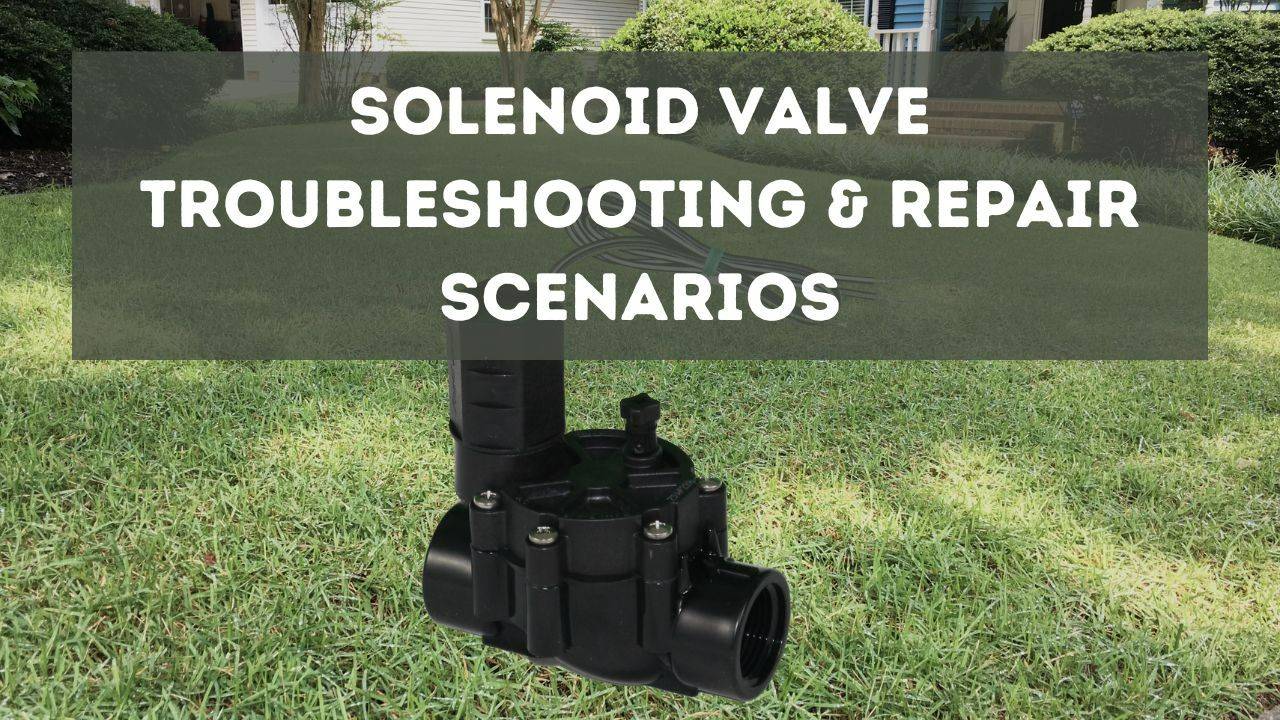
Tools Needed For Troubleshooting
Troubleshooting irrigation solenoids requires a few basic tools. These tools help identify and fix common issues quickly. Having them ready saves time and effort. Each tool plays a key role in the process.
Multimeter
A multimeter checks electrical current and voltage. It helps find if the solenoid coil has power. This tool shows if the solenoid is working or faulty. Simple to use and very useful for irrigation repairs.
Screwdrivers
Screwdrivers help open solenoid covers and panels. They come in different sizes and types. Using the correct screwdriver prevents damage to screws or parts. Essential for accessing the solenoid and its wiring safely.
Replacement Solenoids
Keeping replacement solenoids on hand saves repair time. Sometimes the solenoid is broken beyond fixing. A new solenoid ensures the irrigation system runs smoothly again. Choose the right model that fits your system.
Cleaning Supplies
Dirt and debris can block solenoid valves. Cleaning supplies remove buildup and improve function. Use brushes, cloths, and mild cleaners. Clean parts help the solenoid work without issues.
Testing Solenoid Functionality
Testing solenoid functionality is a key step in fixing irrigation issues. It helps identify if the solenoid is the problem or if other parts need attention. Simple tests can save time and money by showing the exact cause of failure. These tests require only basic tools and little experience.
Measuring Resistance
Use a multimeter to check the solenoid coil resistance. Set the meter to the ohms setting. Place the probes on the solenoid terminals. A healthy solenoid usually shows resistance between 20 and 60 ohms. Readings outside this range suggest a damaged coil. No reading means the coil is broken and needs replacement.
Manual Activation
Most solenoids have a manual override button or screw. Press or turn it to open the valve manually. Water should flow when activated. If water does not flow, the valve could be stuck or broken. This test helps confirm if the solenoid controls the valve properly.
Checking Wiring Connections
Loose or damaged wires often cause solenoid failure. Inspect all wiring for cuts, corrosion, or loose ends. Tighten any loose connections and clean corroded terminals. Use a voltage tester to ensure power reaches the solenoid. Proper wiring ensures the solenoid receives the signal to operate.
Fixing Common Solenoid Issues
Fixing common solenoid issues is key to keeping your irrigation system working well. Solenoids control water flow by opening and closing valves. Dirt, electrical problems, or worn parts can stop them from working properly. Quick checks and simple fixes often solve these issues. This saves time and money on repairs.
Cleaning Dirt And Debris
Dirt and debris often block solenoids. Turn off the water and power first. Remove the solenoid from the valve. Use a soft brush or cloth to clean it gently. Clear any mud, sand, or leaves inside the valve. Rinse parts with water but avoid strong chemicals. Dry everything before putting it back. This improves solenoid response and valve movement.
Replacing Faulty Solenoids
Some solenoids wear out over time. If cleaning does not help, replacement is best. Buy the right solenoid matching your valve model. Turn off power and water supply. Unscrew the old solenoid carefully. Screw in the new one tightly but not too hard. Restore power and test the valve action. Proper replacement restores reliable irrigation control.
Repairing Wiring Problems
Wiring issues cause solenoids to fail. Check wires for breaks or corrosion. Use a multimeter to test electrical continuity. Replace damaged wires or connectors with new ones. Make sure all connections are tight and dry. Keep wires away from sharp edges or water pools. Good wiring ensures steady power to the solenoid coil.
Adjusting Valve Components
Valve parts can get stuck or misaligned. Open the valve and inspect the diaphragm and spring. Clean or replace worn parts as needed. Adjust the plunger or armature inside the solenoid for smooth motion. Tighten screws carefully to avoid damage. Proper alignment helps the valve open and close fully. This keeps water flow steady and controlled.
Preventive Maintenance Tips
Preventive maintenance keeps irrigation solenoids working well. It helps avoid sudden failures and costly repairs. A few simple steps can extend the life of these important parts. Regular care ensures your irrigation system runs smoothly all year.
Regular Inspection
Check solenoids often for dirt and damage. Look at wires and connections for wear or breaks. Clean any debris or buildup that blocks the valve. Early spotting of problems stops bigger issues later. Keep your system reliable with quick checks.
Seasonal Winterizing
Prepare solenoids for cold weather to prevent freezing. Drain water from pipes and valves before winter arrives. Use insulation or covers to protect exposed parts. This stops cracks and rust during freezing months. Winterizing saves repair costs and hassle.
Proper Storage
Store unused solenoids in a dry, cool place. Avoid areas with high humidity or direct sunlight. Keep solenoids in their original packaging or sealed bags. Proper storage stops corrosion and keeps parts ready for use. Handle solenoids carefully to avoid damage.
Using Quality Components
Choose solenoids and parts from trusted brands. Good quality components last longer and work better. Avoid cheap parts that may fail quickly or cause leaks. Quality parts reduce maintenance needs and improve system performance. Invest in reliable products for peace of mind.


Frequently Asked Questions
What Are Common Signs Of A Faulty Irrigation Solenoid?
Irrigation solenoids often fail to open or close properly. You may notice zones not watering or water running nonstop. Strange noises or no clicking sounds can also indicate issues.
How Do I Test An Irrigation Solenoid At Home?
Turn off power, disconnect wires, and use a multimeter to check resistance. A reading between 20-60 ohms usually means the solenoid is good. No reading or infinite resistance shows a faulty solenoid.
Can Dirt Cause Irrigation Solenoid Problems?
Yes, dirt and debris can block the solenoid valve. This prevents it from opening or closing fully. Regular cleaning helps keep the system working well.
What Tools Help Fix Irrigation Solenoid Issues?
A multimeter, screwdriver, and needle-nose pliers are useful tools. They help test, open, and clean solenoid valves quickly. Having these tools makes troubleshooting easier.
How Often Should Irrigation Solenoids Be Checked?
Check solenoids at least once every irrigation season. Inspecting early catches problems before plants suffer. Regular checks ensure reliable watering and save water.
Conclusion
Troubleshooting irrigation solenoids can save time and water. Check wires, valves, and power first. Clean or replace faulty parts quickly. Regular maintenance helps avoid future problems. Simple steps keep your system working well. Stay patient and follow each step carefully.
Fixing solenoids improves garden health and growth. A well-maintained system means less worry and more success. Keep these tips handy for easy repairs. Your irrigation will run smoothly with little effort.