Is your kerosene heater acting up when you need it most? You rely on it to keep your space warm and cozy, but when it won’t light or suddenly stops working, frustration sets in fast.
Don’t worry—you’re not alone, and many common issues have simple fixes. You’ll discover easy troubleshooting steps that can save you time and money. Keep reading to get your heater back to perfect working order and stay warm without hassle.
Common Kerosene Heater Problems
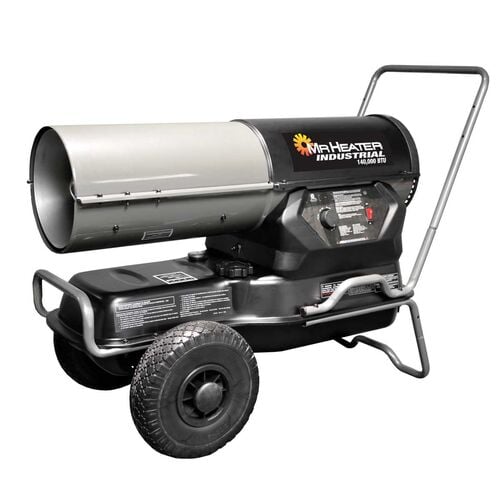
Kerosene heaters are practical for warmth, but issues can arise. Knowing common problems helps fix them fast. This keeps your heater safe and efficient. Here are typical troubles and what to check first.
Heater Won’t Light
The heater may fail to start due to a clogged wick or dirty burner. Check the fuel tank to ensure it has kerosene. Air bubbles in the fuel line can also block ignition. Cleaning the wick or replacing it often solves this problem.
Unusual Odors
Strange smells mean incomplete burning or fuel leaks. Make sure the wick is clean and trimmed properly. Using old or poor-quality kerosene causes bad odors. Ventilate the room well to avoid buildup of fumes.
Smoke Emission
Smoke signals a dirty wick or too much fuel. The wick may be soaked beyond its limit. Burning too fast or using wrong fuel can create smoke. Regular wick maintenance reduces smoke and keeps air clear.
Heater Shuts Off Unexpectedly
Automatic shutoff happens if the heater tips over or overheats. The safety switch might be faulty. Low fuel or poor ventilation can cause it to stop. Check fuel levels and place the heater on a flat surface.
Weak Heat Output
Low heat means the wick is old or dirty. The fuel might be diluted or contaminated. Air in the fuel tank reduces flame strength. Cleaning or replacing the wick and using fresh kerosene improves heat.
Fuel And Wick Issues
Fuel and wick problems cause many kerosene heater issues. Poor fuel or a dirty wick stops the heater from working well. These problems make the flame weak or smoky. Fixing fuel and wick issues keeps the heater safe and warm.
Using The Right Kerosene
Use clean, clear kerosene only. Dirt or water in fuel clogs the wick. Always buy kerosene from trusted sources. Avoid old or stored fuel. Bad fuel causes a bad smell and uneven flame.
Cleaning The Wick
Clean the wick often for a strong flame. Turn off the heater and let it cool first. Remove the wick and soak it in clean kerosene. Gently scrub dirt off with a soft brush. Dry the wick before putting it back.
Replacing The Wick
Replace the wick if cleaning does not help. Wicks wear out after long use. Buy the correct size wick for your heater model. Follow the manual steps to install it. A new wick improves heat and cuts smoke.
Airflow And Ventilation
Airflow and ventilation are essential for safe and efficient kerosene heater use. Proper air circulation keeps the heater burning clean and prevents harmful fumes. Poor ventilation can cause smoke or a strong smell. It can also make the heater work harder and waste fuel. Checking airflow and improving room ventilation helps the heater run smoothly.
Checking Air Vents
Start by examining the air vents in the room. Make sure vents are open and not blocked by furniture or curtains. Clean any dust or debris from the vents. Blocked vents reduce fresh air and trap fumes. Check both intake and exhaust vents if your heater has them. Proper airflow helps the heater burn fuel fully and safely.
Improving Room Ventilation
Increase fresh air by opening a window slightly. This small gap allows air to flow in and out. Use a fan to help move air if needed. Avoid closing all doors tightly; let air circulate between rooms. Good ventilation lowers the risk of carbon monoxide buildup. It keeps the room fresh and the heater efficient.
Maintenance Tips
Proper maintenance keeps your kerosene heater working well and safe. Routine care helps avoid common issues and extends the heater’s life. Follow simple steps to keep your heater clean and store it safely.
Regular Cleaning Schedule
Clean your kerosene heater every week during use. Remove dust and dirt from the exterior with a soft cloth. Check the wick and clean it gently to avoid clogging. Replace the wick if it looks worn or blackened. Empty the fuel tank and clean it monthly to prevent buildup. A clean heater burns fuel more efficiently and reduces smoke.
Safe Storage Practices
Store your kerosene heater in a dry, cool place after each season. Keep it away from heat sources and open flames. Drain all the fuel before storage to prevent leaks and damage. Cover the heater with a cloth to protect it from dust. Check the heater for any damage before storing. Proper storage keeps your heater ready and safe for the next use.
When To Call A Professional
Knowing when to call a professional for kerosene heater issues is important. Some problems need expert help to keep you safe. Trying to fix complex issues without skills can cause harm or damage. This section explains signs that show it is time to get a professional.
Signs Of Internal Damage
Internal damage can affect how your heater works. Strange smells, smoke, or unusual noises are warning signs. The heater may fail to heat properly or turn off suddenly. Cracks or leaks inside the unit need expert checks. These problems can be dangerous if ignored. A professional can open the heater safely and fix hidden faults.
Electrical Component Issues
Electrical problems often cause heaters to stop working. If the ignition fails or the power button does not respond, electrical parts might be faulty. Sparks or burning smells near wires need immediate attention. Trying to repair electrical parts without knowledge risks shocks or fire. A trained technician can test and replace faulty components safely. This keeps your heater reliable and safe to use.

Frequently Asked Questions
How Do I Know If My Kerosene Heater Won’t Light?
Check if the fuel tank is empty or if the wick is dry. Also, ensure the heater is clean and has proper ventilation. Sometimes, clogged wick holes stop ignition.
Why Does My Kerosene Heater Smell Bad When Running?
A bad smell often means incomplete burning or dirty wick. Clean the wick and use fresh kerosene to reduce odor. Poor ventilation can also cause smells.
What Causes A Kerosene Heater To Smoke Excessively?
Excessive smoke usually comes from a dirty or old wick. Replace or clean the wick regularly. Using low-quality kerosene may also create more smoke.
How Can I Stop My Kerosene Heater From Shutting Off Suddenly?
Check for low fuel levels or clogged air filters. Ensure the wick is properly trimmed and the heater is on a flat surface. Faulty safety sensors may also cause shutdowns.
What Should I Do If My Kerosene Heater Won’t Stay Lit?
Make sure the wick is correctly installed and soaked in kerosene. Clean the burner and check for drafts that can blow out the flame. Replace the wick if it’s worn out.
Conclusion
Troubleshooting a kerosene heater can save time and money. Check the fuel, wick, and ventilation first. Keep the heater clean and well-maintained to avoid issues. Small problems often have simple fixes. Stay safe by following the heater’s instructions closely. Regular checks help your heater work better and last longer.
Enjoy warm, cozy spaces without worry. Simple steps make a big difference.