Your windshield wipers are one of the most important safety features on your vehicle. When they stop working properly, it can put you at risk, especially in bad weather.
If you’ve ever struggled with wipers that won’t move, streak across the glass, or make strange noises, you’re not alone. This guide will help you quickly find out what’s wrong and how to fix it. Keep reading to get your wipers back in top shape and drive with confidence, no matter the weather.
Common Wiper Problems
Windshield wipers are crucial for safe driving in rain and snow. Problems with them can reduce visibility and increase danger. Many common issues affect their performance. Understanding these problems helps in quick fixes and better safety.
Wiper Blades Streaking
Streaking happens when wiper blades leave lines on the windshield. Dirt or debris on blades cause this. Old or dry rubber also leads to streaks. Streaks blur vision and make driving risky. Cleaning blades and windshield often helps. Replacing blades every six months keeps them clear.
Wipers Not Moving
Wipers may stop moving completely. This can be due to a blown fuse or a broken wiper motor. Sometimes the wiper linkages wear out or break. Check the fuse box first. If the fuse is fine, inspect the motor and linkages. Professional help may be needed for repairs.
Unusual Wiper Noise
Squeaking or chattering sounds come from worn or dry blades. Dirt on the windshield also causes noise. Noisy wipers distract drivers and reduce comfort. Cleaning blades and windshield reduces noise. Applying silicone lubricant to blade edges can help. Replace blades if noise continues.
Wipers Skipping Or Chattering
Skipping happens when blades jump across the glass. Hard or cracked rubber causes this issue. A dirty windshield can make skipping worse. Chattering means blades hit the glass unevenly. Clean both blades and windshield carefully. Replace blades if skipping or chattering stays.
Quick Checks Before Repairs
Before starting any windshield wiper repair, quick checks save time and effort. Small problems often cause wiper issues. These checks help find the root cause fast. They also prevent unnecessary repairs.
Inspecting Wiper Blades
Look closely at the wiper blades. Check for cracks, tears, or stiffness. Worn blades leave streaks or miss spots. Replace blades every six months or when damaged. Clean blades with a damp cloth to remove dirt.
Checking Wiper Fluid Levels
Wiper fluid helps clear dirt and grime. Check the fluid reservoir under the hood. Fill it with washer fluid if it is low. Avoid using plain water to prevent freezing. Full fluid keeps your windshield clear during rain or snow.
Examining Wiper Motor And Fuse
The wiper motor powers blade movement. Listen for noise when turning on wipers. No sound may mean a motor or fuse issue. Check the fuse box for blown fuses. Replace fuses with the same type and rating.
Fixing Wiper Blade Issues
Fixing wiper blade issues is important for clear vision during rain. Damaged or dirty blades reduce visibility and safety. Simple steps can improve their performance quickly. This guide covers cleaning, replacing, and adjusting your wiper blades.
Cleaning Wiper Blades
Dirt and grime build up on wiper blades over time. This buildup causes streaks and poor wiping. Use a soft cloth and warm water to wipe the blades gently. Avoid harsh chemicals that can damage the rubber. Clean both sides of the blade for best results. Regular cleaning keeps blades flexible and effective.
Replacing Worn Blades
Wiper blades wear out after months of use. Check for cracks, tears, or stiff rubber. Replace blades every 6 to 12 months to ensure clear wiping. Choose blades that fit your car model. Replacing blades is a quick process and improves safety instantly.
Adjusting Blade Alignment
Misaligned blades cause uneven wiping and noise. Inspect the blades to see if they sit flat on the windshield. Gently bend the wiper arm to adjust the blade position. Proper alignment ensures full contact with the glass. This helps remove water smoothly and improves visibility.
Addressing Mechanical Problems
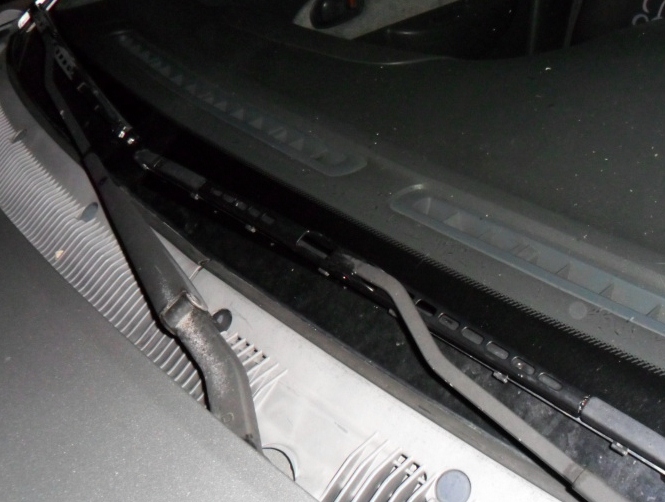
Mechanical problems often cause windshield wipers to stop working properly. These issues affect the motor, linkage, or other parts that move the wipers. Fixing these problems can restore clear vision during rain or snow. Understanding how to address mechanical faults saves time and money.
Resetting The Wiper Motor
Sometimes the wiper motor stops due to a simple glitch. Resetting the motor can fix this issue quickly. Turn off the wipers and the car. Wait a few minutes to let the motor rest. Turn the wipers back on and check if they move correctly. This process can clear minor motor errors.
Replacing The Wiper Motor
A broken wiper motor needs replacement. Signs include no movement or strange noises. Disconnect the battery for safety. Remove the wiper arms and covers to access the motor. Unplug the motor connector and unscrew the motor. Install the new motor, reconnect wires, and reassemble parts. Test the wipers to ensure they work well.
Fixing Wiper Linkage
Wiper linkage connects the motor to the blades. If the linkage is loose or broken, the wipers won’t move smoothly. Open the hood and locate the linkage. Look for worn or bent parts. Tighten loose bolts or replace damaged components. Lubricate the joints to reduce friction. Check the movement after repairs to confirm success.
Preventive Tips For Wiper Maintenance
Proper windshield wiper care keeps your view clear and safe. Small habits prevent bigger problems. Simple steps protect your wipers and save money. Follow these easy tips for long-lasting wiper performance.
Regular Cleaning Routine
Clean wiper blades often. Dirt and grime cause streaks and noise. Use a soft cloth with mild soap and water. Wipe blades gently to avoid damage. Also, clean the windshield to reduce blade wear.
Seasonal Blade Replacement
Change blades every six months or when they show wear. Cold weather can crack rubber. Heat can warp the blade shape. Fresh blades wipe water clearly and quietly. Keep spares in your car for quick swaps.
Using The Right Wiper Fluid
Fill the reservoir with proper wiper fluid. Water alone can freeze or leave spots. Choose fluid with antifreeze for winter months. Proper fluid helps blades clean better. It protects your windshield and improves visibility.

Credit: www.fredbeans.com

Frequently Asked Questions
Why Are My Windshield Wipers Making Noise?
Noisy wipers often mean the blades are worn or dirty. Clean the windshield and blades, or replace the blades if needed.
How Do I Fix Windshield Wipers That Skip?
Skipping wipers usually happen due to dry or damaged blades. Try cleaning the blades or replace them for smooth wiping.
What Causes Windshield Wipers To Move Slowly?
Slow wipers may indicate a weak motor or low wiper fluid. Check the motor and refill the washer fluid to improve speed.
Why Do Windshield Wipers Leave Streaks On Glass?
Streaks appear when blades are old or the glass is dirty. Clean the windshield and change the wiper blades regularly.
How Often Should I Replace Windshield Wiper Blades?
Replace wiper blades every 6 to 12 months, depending on weather and use. Regular replacement ensures clear visibility and safety.
Conclusion
Clear and working windshield wipers improve your driving safety. Fix small problems early to avoid bigger issues later. Check your wipers regularly for wear or damage. Clean the blades and windshield to keep them effective. Replace old or cracked wipers to see clearly in rain.
Simple care helps your wipers last longer and work better. Stay safe by keeping your windshield wipers in good shape. A smooth, clear view makes driving easier and safer. Don’t ignore wiper troubles; handle them quickly and easily.