Is your lawn mower refusing to start right when you need it most? You’re not alone, and it can be incredibly frustrating.
But before you call a repair service or think about buying a new one, there are simple steps you can take to fix the problem yourself. In this guide, you’ll discover easy, clear troubleshooting tips to get your mower running smoothly again.
Keep reading—you’re just a few fixes away from a perfectly cut lawn.
Common Reasons For No Start
Many lawn mowers fail to start due to simple, common issues. These problems often stop the engine from running. Understanding these causes helps fix the mower fast. Checking each part carefully can save time and money.
Fuel Issues
Old or stale fuel often causes starting problems. Fuel can go bad if left in the tank too long. Dirty fuel clogs the carburetor and blocks flow. Make sure to use fresh fuel and drain old gas. Check the fuel line for cracks or leaks too.
Spark Plug Problems
The spark plug ignites the fuel in the engine. A dirty or damaged spark plug stops this process. Look for black soot or corrosion on the plug. Replacing the spark plug can often solve starting troubles. Check the gap to ensure it matches the manual.
Battery And Electrical Faults
Battery-powered mowers need a charged battery to start. A dead or weak battery prevents the mower from running. Loose or corroded connections also cause electrical failure. Clean the terminals and tighten any loose wires. Test the battery voltage with a multimeter for accuracy.
Air Filter Blockages
The air filter stops dirt from entering the engine. A clogged or dirty air filter reduces airflow. This makes the engine hard to start or run. Remove and clean the filter regularly. Replace it if it looks worn or damaged.
Checking The Fuel System
Checking the fuel system is a key step in fixing a lawn mower that won’t start. The engine needs clean, fresh fuel to run well. Problems in the fuel system can stop the mower from starting or cause poor performance. This section covers how to inspect the fuel quality, clear fuel lines, and replace the fuel filter.
Inspecting Fuel Quality
Old or bad fuel can cause starting problems. Gasoline goes bad after a few months. It can become thick or form gummy deposits. Always use fresh fuel for your lawn mower. Look for dark color or a bad smell in the gas. If the fuel looks dirty or smells sour, drain it and add fresh fuel.
Clearing Fuel Lines
Fuel lines carry gas from the tank to the engine. Dirt or clogs can block the fuel flow. Check the fuel lines for cracks, leaks, or blockages. Remove the lines and blow air through them to clear debris. Replace cracked or damaged fuel lines to ensure good fuel flow.
Replacing The Fuel Filter
The fuel filter cleans dirt and particles from the gas before it reaches the engine. A clogged filter can stop fuel flow and cause the mower not to start. Find the fuel filter along the fuel line. Remove it carefully and replace it with a new one. This simple step can improve fuel flow and engine start-up.
Spark Plug Maintenance
Spark plug maintenance is key to fixing a lawn mower that won’t start. The spark plug creates the spark needed to ignite the fuel. If it is dirty or damaged, the engine won’t run.
Regular checks of the spark plug keep your mower working well. This part is easy to inspect and clean or replace. Proper care saves time and money on repairs.
Removing And Inspecting The Spark Plug
First, turn off the mower and disconnect the spark plug wire. Use a spark plug wrench to remove the plug. Look for signs of wear, such as cracks or heavy soot.
A damaged or very dirty plug must be replaced. If the plug looks fine, move to cleaning and checking the gap.
Cleaning Or Replacing The Spark Plug
Clean the plug with a wire brush to remove dirt and carbon. Avoid harsh chemicals that can damage the plug. If cleaning does not improve its look, replace the plug with a new one.
Always use the correct spark plug model for your mower. A good spark plug ensures the engine starts smoothly.
Setting Correct Spark Plug Gap
The spark plug gap is the distance between the electrodes. Check this gap using a feeler gauge. The correct gap size is in the mower’s manual.
Adjust the gap carefully by bending the side electrode. A wrong gap can cause weak sparks or no spark at all. Proper gap setting helps the mower start quickly and run well.
Battery And Starter Issues
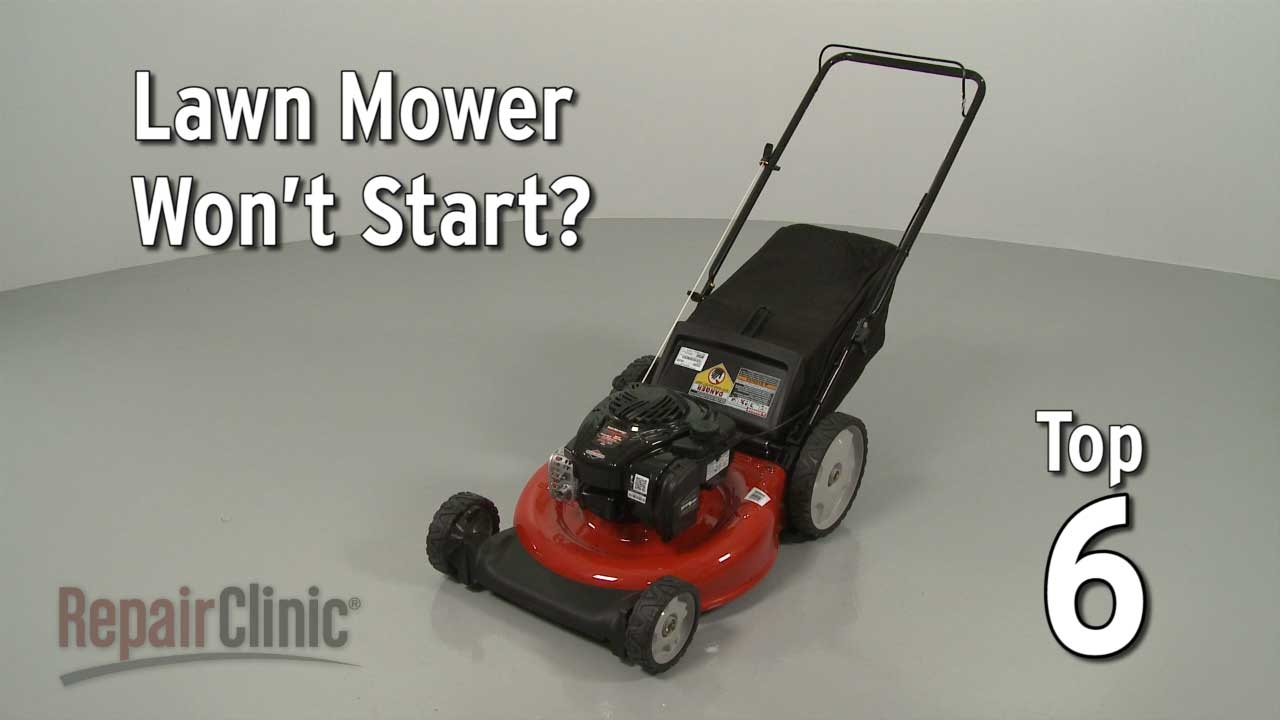
Battery and starter problems often cause lawn mowers not to start. These parts work together to power your mower’s engine. A weak battery or faulty starter can stop the mower from running. Checking these parts helps find the problem fast. Simple tests and cleaning can save time and money.
Testing Battery Charge
Use a multimeter to check the battery’s voltage. A fully charged battery shows about 12.6 volts. Below 12 volts means the battery is weak or dead. Charge the battery with a charger if needed. Retest after charging to see if the battery holds power.
Cleaning Battery Connections
Dirty or loose connections stop the battery from working well. Remove the battery cables carefully. Clean the terminals with a wire brush or sandpaper. Remove dirt, rust, and corrosion fully. Reattach the cables tightly to ensure good contact.
Inspecting Starter Solenoid
The starter solenoid sends power from the battery to the starter motor. Check for loose wires or corrosion on the solenoid terminals. Tap the solenoid gently with a screwdriver handle. This can free stuck contacts. Replace the solenoid if it looks damaged or worn out.
Air Filter Care
The air filter plays a key role in your lawn mower’s engine. It stops dirt and dust from entering the engine. A dirty or clogged air filter can stop the mower from starting. Regular care of the air filter keeps your mower running smoothly.
Removing And Checking The Air Filter
Turn off the mower and disconnect the spark plug. Find the air filter cover, usually on the side of the engine. Remove the cover by unscrewing or unclipping it. Take out the air filter carefully. Look for dirt, dust, or damage on the filter surface. A clean filter looks white or off-white. A dirty filter looks dark or clogged.
Cleaning Or Replacing The Filter
If the filter is foam, wash it with warm, soapy water. Squeeze it gently and let it dry completely. For paper filters, tap them lightly to remove dirt. Replace the filter if it is torn or very dirty. Use the right filter type recommended by the mower brand. Put the cleaned or new filter back in place. Secure the cover tightly before starting the mower again.
Additional Quick Fixes
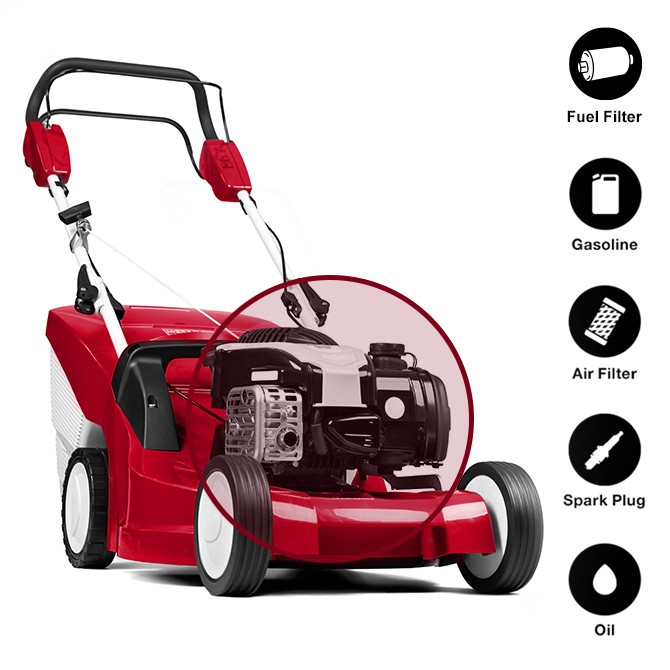
Sometimes, a lawn mower won’t start due to simple issues. These quick fixes save time and effort. Check these easy steps before calling a repair service.
Checking The Oil Level
Low oil can stop your mower from starting. Locate the oil dipstick and remove it. Wipe it clean, then reinsert and remove again.
Look at the oil level on the dipstick. Add oil if it is below the recommended mark. Use the oil type suggested in the manual.
Do not overfill. Overfilling can also cause engine problems. Proper oil level helps the engine run smoothly.
Inspecting Safety Switches
Safety switches prevent the mower from starting accidentally. Check the switch near the handlebar or under the seat.
Make sure all switches are in the correct position. A loose or broken switch can stop the engine.
Try pressing the brake or clutch pedal fully. Confirm the switch clicks on and off properly. Replace faulty switches if needed.
Examining The Carburetor
The carburetor mixes air and fuel for the engine. Dirt or clogging can stop fuel flow and prevent starting.
Remove the carburetor cover carefully. Check for dirt, gum, or old fuel inside.
Use carburetor cleaner spray to clean small parts. Let it dry before reassembling. Keep fuel fresh to avoid clogging.
Preventive Tips For Reliable Starts
Preventing lawn mower start problems saves time and stress. Simple habits keep your mower ready for use. Follow these tips to avoid common issues and enjoy smooth starts every time.
Regular Maintenance Schedule
Check your mower often for dirt and damage. Change the oil after every 25 hours of use. Clean or replace the air filter regularly. Inspect the spark plug and replace it yearly. Tighten loose parts to keep everything secure.
Proper Storage Practices
Store your mower in a dry, sheltered place. Avoid damp or outdoor spots that cause rust. Drain fuel before long storage periods. Clean the mower thoroughly to remove grass and debris. Cover the mower to protect it from dust and moisture.
Using Fresh Fuel
Old fuel causes starting problems and engine damage. Always fill your tank with fresh gasoline. Use fuel stabilizer if you store fuel for more than 30 days. Avoid mixing oil and gasoline incorrectly in two-stroke engines. Check fuel lines for cracks or leaks often.

Frequently Asked Questions
Why Won’t My Lawn Mower Start After Winter Storage?
Old fuel or a dirty carburetor often causes starting problems after winter. Drain old fuel and clean the carburetor for better performance.
How Do I Check If The Spark Plug Is Faulty?
Remove the spark plug and look for dirt or damage. Replace it if it’s worn or dirty to help the mower start easily.
Can A Clogged Air Filter Stop My Lawn Mower From Starting?
Yes, a dirty air filter blocks air flow, making starting hard. Clean or replace the air filter regularly for smooth operation.
What Role Does The Fuel Line Play In Mower Starting Issues?
A blocked or cracked fuel line stops fuel from reaching the engine. Check it for damage and clear any blockages to fix starting problems.
How Can A Dead Battery Affect An Electric Start Mower?
A dead or weak battery prevents the mower from turning on. Charge or replace the battery to ensure reliable starting every time.
Conclusion
Troubleshooting a lawn mower that won’t start takes patience and care. Check the fuel, spark plug, and air filter first. These simple steps solve most problems quickly. Keep your mower clean and well-maintained to avoid future issues. Small fixes save time and money.
Don’t rush; follow each step calmly. Soon, your mower will run smoothly again. Ready for a fresh, green lawn? Now you know how to get there.