Is your oil burner acting up right when you need it most? You rely on your heating system to keep your home warm and comfortable, but when it stops working properly, it can be frustrating and stressful.
The good news is, many common oil burner problems are easier to fix than you might think. By understanding the basics of oil burner troubleshooting, you can save time, avoid costly repairs, and get your system back up and running quickly.
Keep reading, and you’ll discover simple steps to diagnose and solve those annoying issues before they turn into major headaches.

Signs Of Oil Burner Problems
Oil burners are key to heating your home during cold months. Recognizing signs of trouble early helps avoid costly repairs. Problems often show through changes in sound, performance, or operation. Watch for these common signs to know when your oil burner needs attention.
Unusual Noises
Strange sounds like banging, clanking, or grinding are warning signs. These noises may mean parts are loose or worn out. Ignoring them can cause bigger damage. A smooth, quiet burner means it runs well.
Burner Fails To Start
Your oil burner should start quickly and easily. If it struggles or won’t start at all, there is a problem. It could be a fuel issue, electrical fault, or clogged nozzle. Early checks save time and money.
Frequent Cycling
Frequent on-and-off cycles waste fuel and strain the system. The burner should run steadily until the house reaches the set temperature. Rapid cycling points to thermostat or burner problems. It lowers efficiency and raises heating costs.
Poor Heating Performance
Uneven or weak heat signals burner trouble. Your home should feel warm and comfortable. Cold spots or long heat-up times mean the burner is not working right. Dirty filters or blocked parts often cause this issue.
Checking The Fuel Supply
Checking the fuel supply is a key step in oil burner troubleshooting. Without enough fuel, the burner cannot work properly. Problems in the fuel supply can cause the burner to stop or run poorly. This section explains how to check the fuel supply safely and clearly.
Inspecting The Oil Tank
Start by looking at the oil tank. Check if it has enough oil. A low oil level stops the burner from running. Look for leaks or damage on the tank. Leaks can waste fuel and cause hazards. Make sure the tank’s vent is open. A blocked vent can stop fuel flow.
Verifying Fuel Lines
Next, check the fuel lines. Look for cracks, kinks, or leaks. Damaged lines reduce fuel flow or cause spills. Make sure all connections are tight. Loose fittings can let air in, causing burner problems. Replace any damaged lines before using the burner.
Testing The Fuel Filter
The fuel filter traps dirt and debris. A clogged filter blocks fuel flow. Remove the filter and inspect it. If it looks dirty, replace it with a new one. Regular filter checks keep the burner running smoothly. Clean fuel means better burner performance.
Cleaning And Maintenance Tips
Cleaning and maintaining your oil burner is key to its smooth operation. Regular care helps avoid breakdowns and keeps the system efficient. Simple steps can extend the life of your burner and save money on repairs.
Cleaning The Nozzle
The nozzle sprays oil into the burner. Dirt or clogging can affect its spray pattern. Remove the nozzle carefully and clean it with a soft brush. Avoid using sharp tools that can damage it. Check for any wear and replace if needed.
Replacing The Oil Filter
The oil filter stops dirt from reaching the burner. A dirty filter reduces fuel flow and causes poor burning. Change the filter at least once a year. Turn off the burner before replacing the filter. Use the right type of filter for your system.
Checking The Burner Flame
The flame shows how well the burner burns oil. A bright, steady flame means good combustion. A yellow or flickering flame signals problems. Clean the burner parts and adjust the flame if needed. Regular checks keep the burner safe and efficient.
Electrical And Control Issues
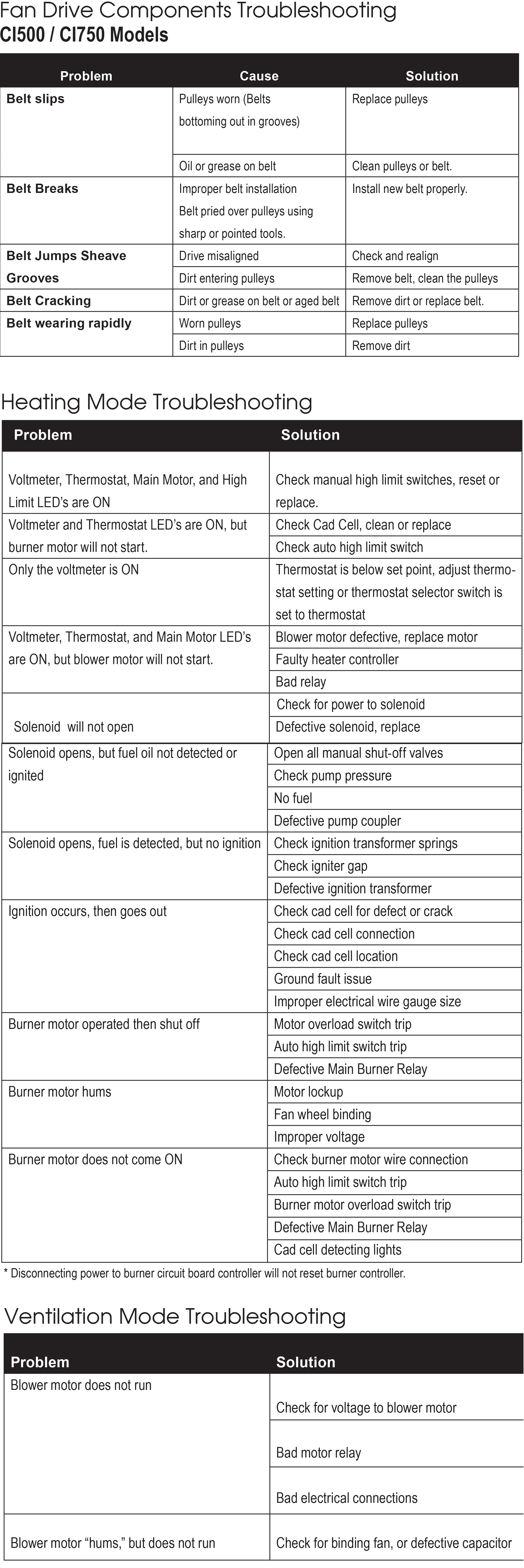
Electrical and control problems often cause oil burners to stop working properly. These issues can stop the burner from starting or cause it to shut down unexpectedly. Checking the electrical parts and controls helps find the problem fast. This makes sure the burner runs safely and efficiently.
Resetting The Burner
Many oil burners have a reset button on the control panel. Press this button to clear error codes or lockouts. Wait a few seconds before restarting the burner. If the burner starts, the problem may be a temporary glitch. Repeat reset only a few times to avoid damage.
Inspecting The Ignition System
The ignition system lights the burner’s fuel. Check for loose or damaged wires in the ignition circuit. Look at the electrodes for cracks or heavy soot. Clean or replace dirty electrodes to improve sparks. Faulty ignition parts stop the burner from lighting fuel.
Testing The Thermostat
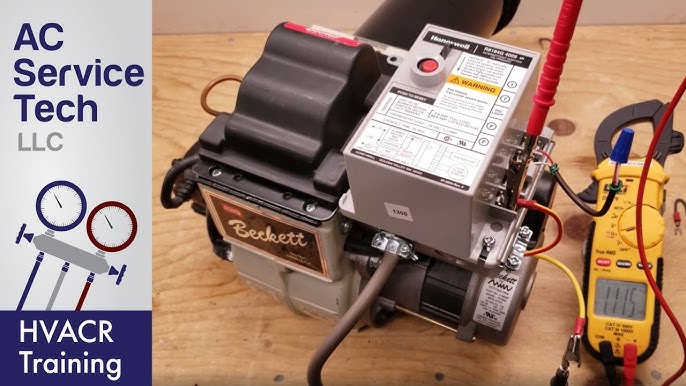
The thermostat controls when the burner turns on and off. Use a multimeter to check if the thermostat sends power to the burner. Set the thermostat to a higher temperature to test it. A broken thermostat may cause the burner to run too much or too little.
Dealing With Airflow Problems
Airflow problems can cause your oil burner to work poorly. Poor airflow means less heat and more fuel waste. Fixing airflow issues helps your burner run safely and efficiently. Below are simple steps to check and fix common airflow problems.
Cleaning The Air Intake
Dust and dirt block the air intake. This stops air from reaching the burner. Turn off the burner first. Remove the intake cover carefully. Use a soft brush or cloth to clean the area. Clear any debris or spider webs. Clean air intake means better burning and less smoke.
Checking The Blower Fan
The blower fan pushes air into the burner. A dirty or broken fan lowers airflow. Look for dust on the fan blades. Use a cloth to wipe them clean. Check if the fan spins freely. Listen for strange noises. Replace or repair the fan if needed. Good fan function keeps air moving well.
Adjusting The Draft
The draft controls the air flow through the burner. Too much or too little draft causes problems. Find the draft gauge on the burner pipe. Adjust the draft damper slowly. Watch the flame and smoke level. The flame should be steady and blue. Proper draft improves fuel use and safety.
When To Call A Professional
Knowing when to call a professional for oil burner issues is key. Some problems need expert skills and tools. Trying complex fixes alone can cause more damage or risk safety. Understanding signs that need a pro helps keep your home safe and warm.
Complex Repairs
Oil burners have many parts working together. Fixing motors, pumps, or electrical systems needs special knowledge. Complex repairs require tools and training. Without these, repairs may fail or worsen the issue. Calling a technician ensures proper repair and lasting results.
Safety Concerns
Oil burners use fuel that can be dangerous. Leaks or faulty parts can cause fire or carbon monoxide risks. Professionals know how to check and fix these hazards. Do not try to fix any safety problems alone. Protect your family by calling a pro immediately.
Routine Inspections
Regular inspections keep oil burners running well. Experts find small problems before they grow. They clean parts and check settings for efficiency. Scheduling yearly inspections saves money and prevents breakdowns. Trust a professional to keep your burner safe and efficient.
Frequently Asked Questions
How Do I Know If My Oil Burner Needs Cleaning?
A dirty oil burner may cause poor heating and smoke. Look for soot buildup and unusual smells. Regular cleaning improves performance and safety.
Why Is My Oil Burner Not Igniting Properly?
Ignition issues often come from a clogged nozzle or dirty electrodes. Check these parts and replace or clean them. Proper maintenance prevents ignition failure.
What Causes The Oil Burner To Shut Off Suddenly?
The burner may shut off due to a faulty thermostat or fuel supply problem. Inspect the fuel line and thermostat settings. Fixing these issues keeps the burner running smoothly.
How Can I Reduce Oil Burner Noise During Operation?
Noise can come from loose parts or air in the fuel line. Tighten all components and bleed the fuel line to remove air. This helps the burner run quietly.
When Should I Call A Professional For Oil Burner Problems?
Call a professional if you notice persistent smoke, fuel leaks, or frequent shutdowns. Complex repairs need expert skills. Safety and proper function are key.
Conclusion
Troubleshooting your oil burner can save time and money. Small problems often have simple fixes. Regular checks keep your burner working well. Clean parts help the burner run smoothly. Watch for unusual sounds or smells. Safety matters—turn off the burner before any work.
When unsure, ask a professional for help. Keeping your burner in good shape means warm, worry-free days. Stay calm and follow these tips for best results.