Are your fluorescent lamps flickering, dim, or not turning on at all? You’re not alone, and the good news is that most problems have simple fixes you can handle yourself.
Imagine saving time and money by quickly identifying what’s wrong with your lighting. You’ll discover easy steps to troubleshoot your fluorescent lamps and get them shining bright again. Keep reading to learn how to bring your lights back to life without hassle.
Common Fluorescent Lamp Issues
Fluorescent lamps are common in homes and offices. They save energy but sometimes cause problems. Knowing common issues helps fix them quickly. This saves money and avoids frustration. Below are frequent problems with fluorescent lamps.
Flickering Lights
Flickering lights often mean a loose bulb or bad connection. The lamp may also flicker if the ballast is failing. Check the bulb and socket first. Tighten the bulb gently. Replace the ballast if flickering continues.
Dim Or Dull Glow
A dim or dull glow shows the lamp is aging. Dust or dirt on the tube also reduces brightness. Clean the tube carefully with a soft cloth. Replace old bulbs to restore full brightness.
Lamp Not Starting
If the lamp does not start, the starter or ballast may be faulty. Sometimes the bulb is dead. Test each part by swapping with a working one. Replace the faulty component to fix the issue.
Buzzing Or Humming Sounds
Buzzing or humming sounds come from the ballast or loose parts. Tighten all fittings and check the ballast condition. A noisy ballast usually needs replacement. Quiet lamps work better and last longer.
Tools And Safety Tips
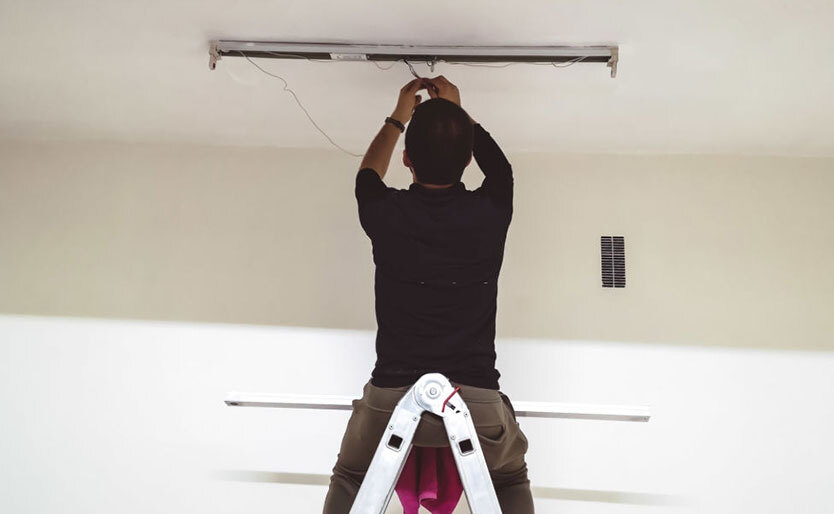
Fluorescent lamp troubleshooting requires the right tools and safety steps. Using proper tools makes the job easier and faster. Safety is important to avoid injuries or damage. Below, find key tools and safety tips to help with repairs.
Essential Tools For Repair
A good screwdriver set is a must-have. It helps remove covers and screws safely. A multimeter checks electrical connections and voltage. Wire strippers prepare wires for new connections. Needle-nose pliers handle small parts and wires. A voltage tester ensures power is off before starting work. Replacement parts like starters and tubes may be needed. Keep a flashlight handy for better visibility in dark spaces.
Safety Precautions
Always turn off the power at the circuit breaker before starting. Use insulated tools to reduce electric shock risk. Wear safety glasses to protect your eyes from broken glass. Gloves shield hands from sharp edges and electrical parts. Work in a dry area to avoid slipping or electrical hazards. Do not force parts; this can cause damage or injury. Double-check that the power is off before touching wires or components.
Diagnosing The Problem
Diagnosing problems with a fluorescent lamp requires a careful check of several key parts. Each component plays a role in making the light work properly. By examining these parts, you can find the cause of the issue and decide on the best fix. This guide helps you understand what to check first and how to do it safely.
Checking The Bulb
Start by looking at the bulb. A broken or burned-out bulb will not light up. Hold the lamp and see if the glass tube looks dark or cloudy. Dark ends usually mean the bulb is old or damaged. Replace the bulb with a new one to test if this solves the problem.
Inspecting The Ballast
The ballast controls the flow of electricity to the bulb. A faulty ballast can cause flickering or no light at all. Listen for buzzing sounds or check for any signs of burning or swelling. Use a multimeter to test the ballast for electrical issues. Replace it if tests show failure.
Evaluating The Starter
The starter helps the lamp turn on by sending a spark to the bulb. A bad starter may cause flickering or a slow start. Remove the starter and shake it gently; if you hear rattling, it may be broken. Swap it with a new starter to see if the lamp lights better.
Examining The Wiring
Loose or damaged wires can stop the lamp from working. Turn off the power before checking wiring. Look for loose connections, frayed wires, or corrosion. Tighten any loose screws and replace damaged wires. Good wiring ensures steady power to the lamp.

Quick Fixes For Common Problems
Fluorescent lamps often face common issues that need quick attention. Simple repairs can restore light without waiting for a professional. These fixes save time and money. Understanding these easy steps helps keep lamps working well.
Replacing The Bulb
Start by turning off the power. Remove the old bulb carefully. Insert the new bulb in the same position. Make sure it fits snugly. Turn the power back on to check the light.
Changing The Starter
The starter helps the lamp light up. If flickering happens, the starter may be faulty. Open the fixture cover. Remove the old starter by twisting it out. Insert a new starter of the same type. Close the cover and test the lamp.
Fixing Or Replacing The Ballast
The ballast controls the current in the lamp. A broken ballast causes flickering or no light. Unplug the fixture before working. Check for signs of damage or burn marks. Replace the ballast with the exact model. Secure it properly and test the lamp again.
Tightening Loose Connections
Loose wires cause flickering or failure. Turn off power before starting. Open the fixture and inspect connections. Tighten any loose wire screws. Ensure wires are firmly connected to terminals. Close the fixture and restore power.
Preventive Maintenance Tips
Fluorescent lamps need care to work well and last longer. Preventive maintenance helps avoid common problems. It saves time and money by stopping issues before they start.
Regular Cleaning
Dust and dirt reduce light quality and lamp life. Clean lamps and fixtures often using a soft cloth. Turn off power before cleaning to stay safe. Clean surfaces help lamps shine brighter and use less energy.
Proper Installation
Correct installation ensures lamps work without trouble. Use the right sockets and ballasts for your lamp type. Follow manufacturer instructions carefully. Loose connections or wrong parts cause flickering and early failure.
Timely Replacements
Replace lamps and starters as soon as signs of wear appear. Flickering, dim light, or slow start means it is time. Using old parts can damage fixtures and increase power use. Timely changes keep lighting stable and efficient.
When To Call A Professional
Fluorescent lamps can be tricky to fix sometimes. Simple problems can often be solved at home. Some issues need expert help to avoid bigger trouble. Knowing when to call a professional saves time and keeps you safe.
Complex Electrical Issues
Electrical problems can be hidden and dangerous. Faulty wiring or ballast issues need special tools. Professionals have the training to find and fix these safely. Avoid trying complex repairs without experience.
Persistent Flickering
Flickering that won’t stop can mean serious issues. It may show a bad ballast or wiring problem. A professional can diagnose the root cause quickly. They also prevent damage to your lamp or home.
Safety Concerns
Electric shocks and fire risks should never be ignored. Any signs of burning smells or sparks need expert attention. Professionals know how to handle these hazards safely. Protect your home and family by calling help.

Frequently Asked Questions
Why Is My Fluorescent Lamp Flickering Constantly?
Flickering often happens due to a bad starter or loose connections. Check the starter and wiring first. Replacing these parts usually solves the issue quickly.
How Do I Know If The Ballast Is Faulty?
A faulty ballast causes lamps not to light or flicker. It may also make a buzzing sound. Testing or replacing the ballast can confirm the problem.
What Causes A Fluorescent Lamp To Not Start At All?
Common causes include a dead lamp, bad starter, or faulty ballast. Testing each part helps find the exact issue. Replace the defective component to fix the lamp.
Can Old Fluorescent Tubes Affect Light Quality?
Yes, old tubes produce dim or uneven light. Replacing them improves brightness and color. Regular tube replacement keeps lighting consistent and clear.
How Do I Safely Replace A Fluorescent Lamp Starter?
Turn off power before handling the lamp. Remove the old starter by twisting it gently. Insert the new starter firmly and restore power to test.
Conclusion
Troubleshooting fluorescent lamps can save you time and money. Check the bulb, starter, and ballast first. Clean connections often fix many issues. Replace parts only when needed. Safety is important—always turn off power before working. Regular maintenance helps lamps last longer.
Bright, steady light improves your space. Keep these tips handy for quick fixes. Fluorescent lamps don’t have to be a hassle. Simple steps lead to bright results every time.