Is your RV refrigerator not cooling like it should? You rely on it to keep your food fresh and drinks cold during your adventures.
When it stops working, it can quickly turn your trip from fun to frustrating. Don’t worry—you’re not alone, and most problems are easier to fix than you think. In this guide, you’ll discover simple troubleshooting tips to get your RV refrigerator back to working perfectly.
Keep reading, and you’ll learn how to save time, avoid costly repairs, and enjoy your travels without worrying about spoiled food.
Common Rv Refrigerator Problems
RV refrigerators often face issues due to travel conditions and power changes. Knowing common problems helps keep your fridge working well. Early detection can save food and avoid costly repairs. Here are typical issues many RV owners see.
No Cooling
The fridge runs but does not get cold. This happens from dirty coils or blocked vents. Sometimes the propane tank is empty or the gas valve is off. Check for proper power supply and ventilation. Cooling problems need quick attention to protect food.
Uneven Temperature
Cold spots and warm areas inside are common. This can come from poor air circulation or a broken thermostat. Keep the fridge door closed as much as possible. Uneven cooling might spoil food faster in some parts.
Strange Noises
Clicking, buzzing, or humming noises are warning signs. Loose parts or a failing fan often cause these sounds. Listen carefully to find the noise source. Strange sounds mean the fridge needs inspection or repair soon.
Leaks And Moisture
Water inside or around the fridge signals leaks. Damaged door seals or blocked drain tubes cause moisture build-up. Excess moisture can lead to mold and odors. Fix leaks fast to keep the fridge dry and clean.
Electrical Issues
Fridge not turning on or flickering lights point to electrical faults. Check fuses, wiring, and power connections. Faulty electrical parts can stop the fridge from working. Always ensure your electrical system is safe and stable.
Basic Troubleshooting Steps
Basic troubleshooting steps help fix common RV refrigerator problems fast. These steps check simple issues that stop the fridge from working right. Start with easy fixes before calling a repair expert. Follow these checks to find the problem quickly and save time.
Check Power Supply
Make sure the refrigerator gets power. Check the power cord and plug for damage. Confirm the RV’s battery or shore power is on. Test the circuit breaker or fuse for tripping. Without power, the fridge will not cool at all.
Inspect Ventilation
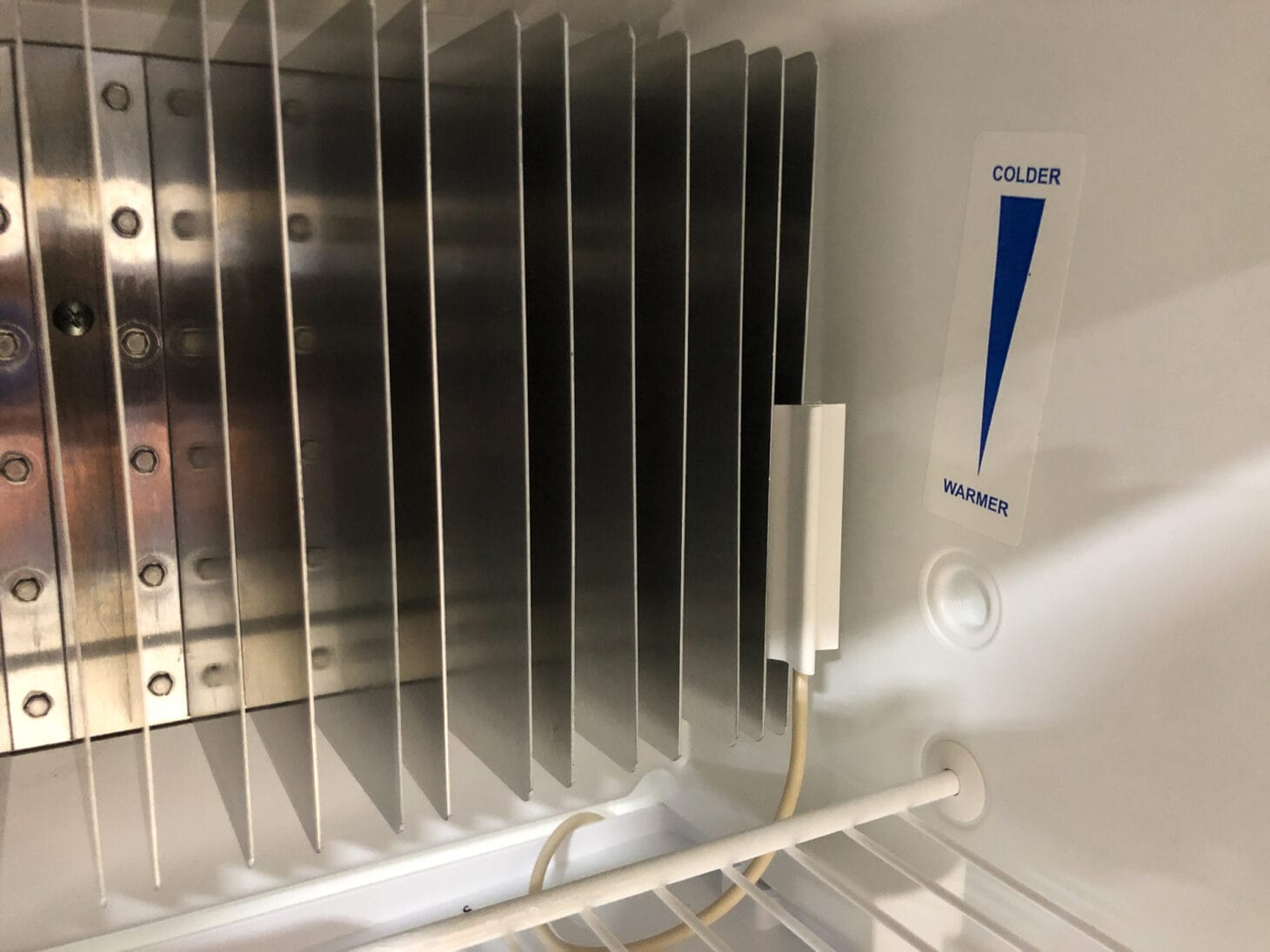
Good airflow keeps the fridge cold. Look at the vents on the outside of the RV. Remove any dirt, leaves, or debris blocking them. Clear the vent grills and fan area. Poor ventilation causes overheating and poor cooling.
Clean Coils And Vents
Dirty coils reduce cooling efficiency. Gently clean the coils with a soft brush or vacuum. Wipe dust from the vents and fan blades. Clean parts help the fridge run smoothly and stay cold longer.
Level The Refrigerator
RV refrigerators need to be level to work well. Use a bubble level to check. Adjust the RV or fridge feet to balance it. An uneven fridge can cause the cooling unit to fail or stop working.
Fixing Cooling Problems
Cooling problems in an RV refrigerator can spoil your food and cause frustration. Fixing these issues early keeps your fridge running well on the road. Some common causes include faulty parts and dirt buildup. Simple checks and cleaning can restore proper cooling fast.
Test And Replace Thermocouple
The thermocouple controls the gas flow to the fridge burner. A bad thermocouple stops the burner from lighting. Use a multimeter to test its continuity. If it fails the test, replace it with a new one. This fix often restores the cooling quickly.
Check Gas Supply
Make sure the propane tank has enough gas. Check the gas valve is open and not blocked. Inspect the gas lines for leaks or damage. A weak or cut-off gas supply stops the fridge from cooling. Fix any supply issues to keep your fridge cold.
Clean Burner Assembly
Dirt and debris on the burner block the flame. Turn off the gas and remove the burner cover. Use a soft brush or compressed air to clean it carefully. Keep burner holes clear for a strong flame. A clean burner improves heat and better cooling.
Addressing Electrical Issues
Electrical problems often cause RV refrigerator failures. These issues stop the fridge from running properly. Checking electrical parts helps find the problem fast. This keeps your food cold and safe on the road.
Examine Fuses And Breakers
Start by checking fuses and breakers. A blown fuse or tripped breaker blocks power. Look for any signs of damage or burning. Replace blown fuses with the exact type. Reset breakers by switching them off and on. This simple step can restore power quickly.
Test Battery Voltage
Measure the battery voltage with a voltmeter. The fridge needs steady power to work right. A low battery voltage causes the fridge to stop. Charge the battery or swap it if voltage is too low. This ensures the fridge gets enough energy.
Inspect Wiring Connections
Check all wiring connections for tightness and damage. Loose or corroded wires disrupt electrical flow. Clean dirty connections and tighten loose wires. Use electrical tape or connectors for safety. Good wiring keeps the fridge running smoothly.
Managing Moisture And Leaks
Moisture and leaks are common issues in RV refrigerators. They can cause damage and reduce cooling efficiency. Managing these problems keeps your fridge working well. It also protects your food and prevents bad odors.
Clear Drain Tubes
Drain tubes carry water out of the fridge. They can get blocked by dirt or ice. A blocked tube causes water to pool inside. Check tubes regularly and remove any blockages. Use warm water or a pipe cleaner to clear them. This helps water flow freely and stops leaks.
Seal Door Gaskets
Door gaskets keep cold air inside the fridge. Old or damaged gaskets let air escape. This causes moisture to build up and leaks to form. Inspect gaskets for cracks or gaps. Clean them with mild soap and water. Replace gaskets if they do not seal tightly. A good seal keeps your fridge dry and cold.
Prevent Frost Build-up
Frost build-up blocks airflow and causes leaks. It happens when warm air meets cold surfaces. Defrost your fridge regularly to stop frost. Use the fridge’s defrost setting or turn it off for a while. Avoid opening the door often or for long times. Keeping frost low helps your fridge run smoothly.
When To Call A Professional
Knowing when to call a professional for your RV refrigerator saves time and prevents more damage. Some problems need expert skills and special tools. Trying to fix complex issues alone can be risky and costly. Professionals can diagnose and repair safely and quickly.
Major Repairs
Major repairs often involve parts replacement inside the refrigerator. These tasks require technical knowledge and experience. Attempting major repairs without training can cause more harm. Professionals have the right tools to fix or replace damaged components properly.
Gas System Concerns
RV refrigerators may use propane gas, which can be dangerous. Gas leaks or smells need immediate professional attention. Handling gas systems needs proper safety measures and equipment. A certified technician can check and repair gas lines safely.
Electrical System Failures
Electrical problems in your RV fridge can cause serious issues. Faulty wiring or power supply risks fire or damage. Professionals know how to test and fix electrical failures. They ensure your refrigerator runs safely and efficiently again.
Maintenance Tips For Longevity
Maintaining your RV refrigerator is key to its long life. Small steps taken regularly keep it running well and prevent costly repairs. Follow simple tips to protect your investment and enjoy fresh food on the road.
Regular Cleaning Schedule
Clean your RV refrigerator every few weeks. Remove all food and shelves. Use mild soap and warm water to wipe the inside. Avoid harsh chemicals that can damage surfaces. Dry it completely before putting shelves and food back. This stops mold and odors from building up.
Proper Use Practices
Keep the door closed as much as possible. Open it only when needed to keep cold air inside. Avoid putting hot food directly inside; let it cool first. Use the fridge on level ground to ensure proper cooling. Check the seal on the door often to keep it tight.
Seasonal Checks
Before each trip, check the fridge’s parts. Clean the condenser coils to help it run efficiently. Inspect the vents and fan for dust or blockage. Test the temperature controls to make sure they work. Perform a full check after long storage periods to avoid surprises.
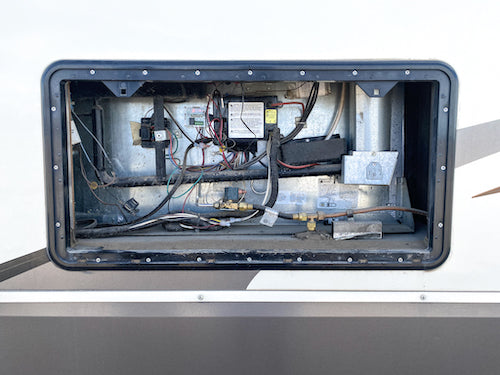

Frequently Asked Questions
Why Is My Rv Refrigerator Not Cooling Properly?
A common cause is poor ventilation around the fridge. Check vents and clear any blockages. Also, verify the power source and thermostat settings.
How Do I Reset My Rv Refrigerator?
Unplug the fridge or turn off its power for about five minutes. Then, turn it back on to reset the system. This often fixes minor glitches.
What Causes An Rv Fridge To Smell Bad?
Bad smells often come from spoiled food or mold inside. Clean the fridge thoroughly with baking soda and water. Keep the door open when not in use.
How Can I Fix My Rv Fridge Not Running On Propane?
Check if the propane tank is full and the valve is open. Inspect the ignition system and thermocouple for faults. Replace parts if necessary.
Why Does My Rv Refrigerator Keep Clicking But Won’t Start?
Clicking sounds may mean the compressor is trying to start but fails. This could be due to a bad start relay or capacitor. Replacing these parts may help.
Conclusion
RV refrigerator problems can be fixed with simple checks and steps. Keep your fridge clean and level for best results. Always check power sources and connections before calling for help. Small issues like a dirty condenser or low coolant can cause big problems.
Regular care helps your fridge run smoothly on the road. Stay patient and use these tips to keep your food fresh. Troubleshooting saves time and money while camping. Enjoy your travels with a working RV fridge every time.