Is your septic system alarm going off and you’re not sure why? That sudden noise can be alarming, but don’t panic.
Understanding how to troubleshoot your septic system alarm can save you time, money, and stress. You’ll learn simple steps to identify common issues and fix them before they turn into bigger problems. Keep reading to take control of your septic system and protect your home.

Common Septic Alarm Causes
Septic system alarms warn you about problems that need quick attention. Knowing common causes helps fix issues fast. These alarms stop major damage and costly repairs. Here are the main reasons why septic alarms may go off.
Power Issues
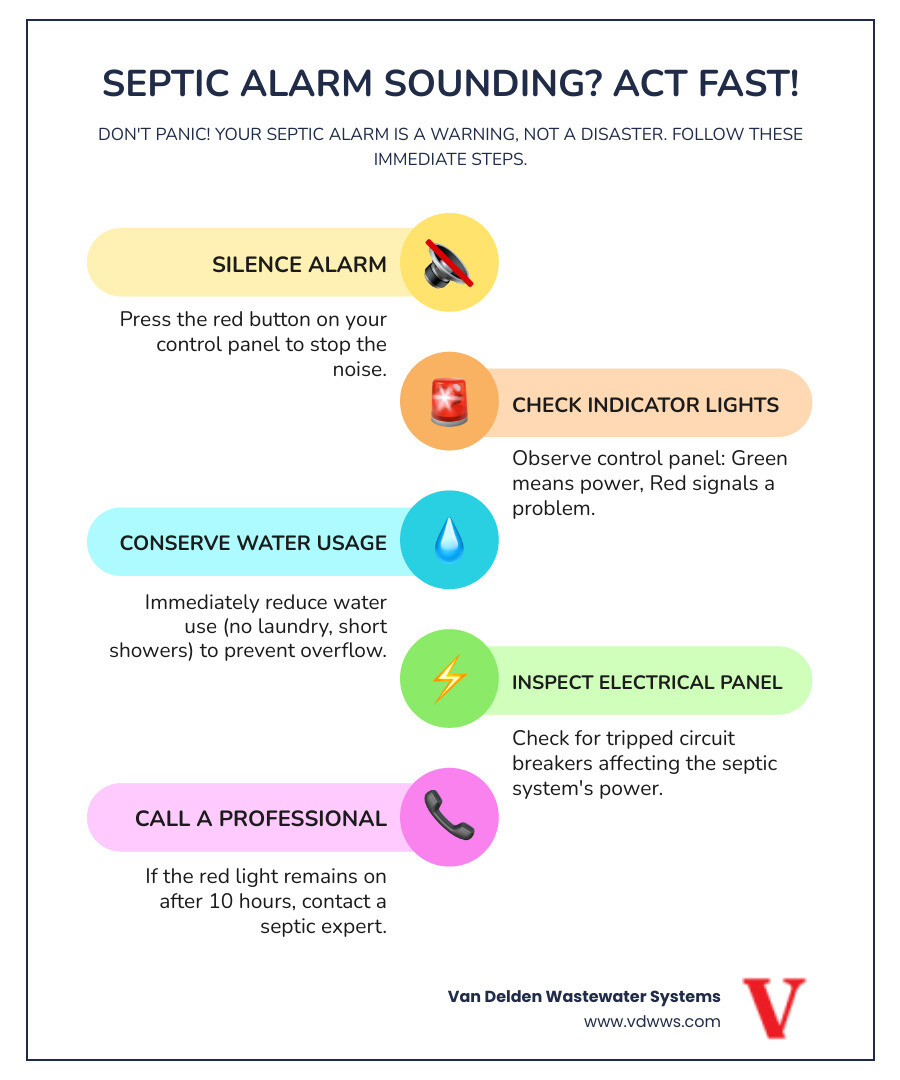
Power loss is a top reason for alarm alerts. The alarm needs electricity to work. A tripped breaker or power outage can stop the alarm from functioning. Check the circuit breaker and power source first. Sometimes a loose plug or damaged wire causes the problem.
Float Switch Problems
The float switch senses liquid levels inside the tank. It triggers the alarm if levels get too high. Dirt, sludge, or debris can block the float switch. This stops it from moving freely and causes false alarms. Regular cleaning keeps the float switch working properly.
Control Panel Malfunctions
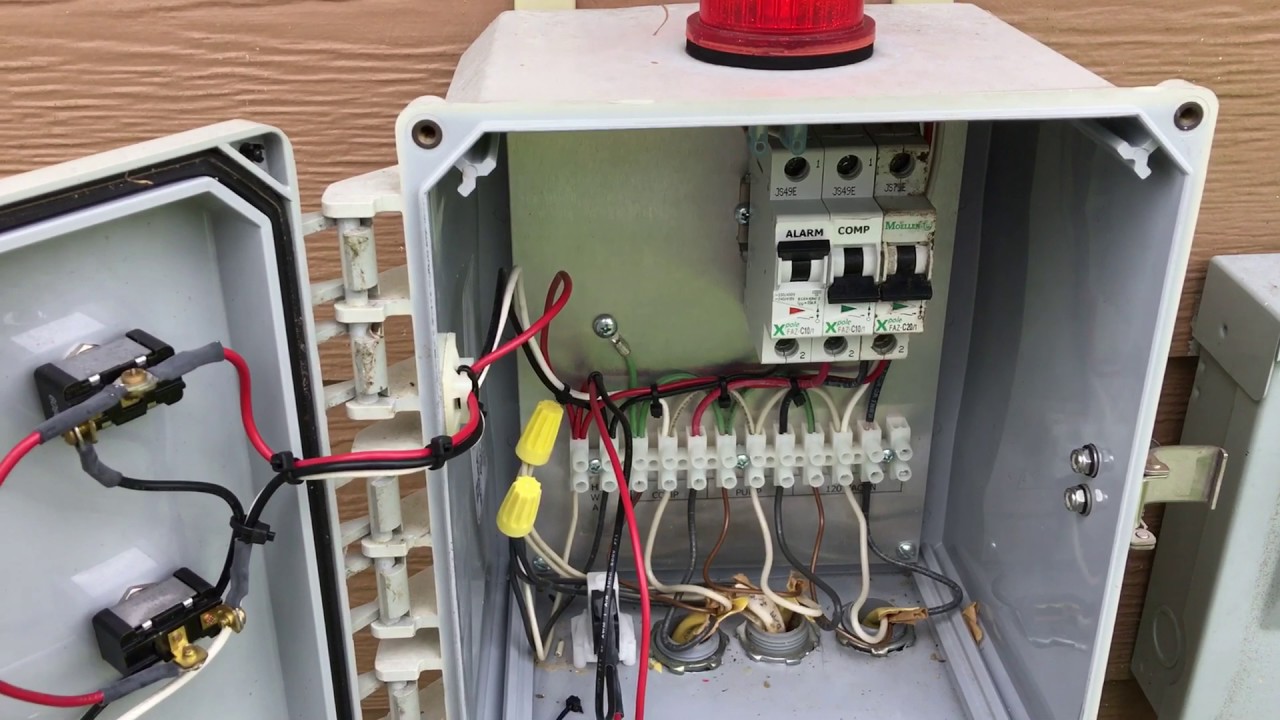
The control panel manages the alarm system. Faulty wiring or worn components cause malfunctions. Moisture or dirt inside the panel can also lead to issues. Inspect the panel for damage or corrosion. Replacing bad parts often solves the problem.
Pump Failures
The pump moves wastewater out of the tank. If the pump stops working, the alarm signals a problem. Pump failure may happen from clogging, motor issues, or worn parts. Regular pump maintenance prevents breakdowns and alarm triggers.
Inspecting The Alarm System
Inspecting the alarm system is important to keep your septic system working well. The alarm warns you if there is a problem. Checking the alarm can stop bigger issues later.
Checking The Power Supply
First, look at the power supply. Make sure the alarm is plugged in. Check for any broken wires or loose plugs. Without power, the alarm will not work. Try another outlet if needed. A steady power flow is key for the alarm to function.
Examining The Float Switch
The float switch tells the alarm when the tank is full. Look at the float to see if it moves freely. Dirt or debris can block it. Clean the float gently if it is stuck. A stuck float can cause false alarms or no alarms at all.
Testing The Alarm Panel
Check the alarm panel for warning lights or sounds. Press the test button to see if the alarm works. If it does not sound, the panel may need a new battery or repair. Keep the panel clean and dry to avoid damage. A working panel keeps you safe from septic problems.
Quick Fixes For Alarms
Septic system alarms can cause stress, but many issues fix fast. Quick fixes save time and avoid costly repairs. Some problems are simple and easy to solve at home.
Resetting The Alarm
Start by locating the alarm panel. Most alarms have a reset button. Press and hold it for a few seconds. The alarm should stop if the issue clears. If the alarm stays on, check other parts of the system.
Clearing Float Switch Obstructions
The float switch controls the alarm signal. Dirt or debris can block it. Open the septic tank lid carefully. Look for anything stuck around the float. Remove any trash or buildup gently. Make sure the float moves freely up and down.
Replacing Faulty Components
Some parts wear out over time. The float switch or alarm panel might fail. Test each component if the alarm stays active. Use a multimeter to check electrical parts. Replace any broken or damaged pieces. Use parts made for your septic system model.
Pump Troubleshooting Tips
Pump problems often cause septic system alarms to sound. Knowing how to troubleshoot the pump saves time and money. This section covers simple tips to check and fix common pump issues. Follow these steps to keep your septic system running smoothly.
Identifying Pump Blockages
Blockages stop the pump from moving wastewater. Check the pump screen and inlet for debris like rags, grease, or roots. Clear any materials you find carefully. Use gloves to protect your hands. A blocked pump cannot push water out properly, causing the alarm to go off.
Handling Pump Motor Issues
Listen for strange noises from the pump motor. A humming sound without pumping action shows a motor problem. Check the electrical connections for loose wires. Test the circuit breaker and fuses to ensure power supply. If the motor overheats, it might need replacement or repair.
Ensuring Proper Pump Operation
Watch the pump cycle through its on and off phases. The pump should start automatically when the tank fills to a certain level. Make sure the float switch moves freely and is not stuck. Clean the float if it has dirt or sludge. Proper operation prevents system backups and alarms.
Preventative Maintenance Tips
Preventative maintenance helps keep your septic system alarm working well. It stops small problems from becoming big ones. Taking care of the system saves money and stress. Follow simple steps to protect your septic system and alarm.
Regular System Inspections
Check your septic system often. Look for signs of alarm issues, like strange noises or flashing lights. Early checks catch problems early. Inspect pumps, floats, and control panels. Clean parts that get dirty or clogged. Regular inspections help alarms work right and keep your system safe.
Keeping The Area Clear
Keep the area around the septic alarm free. Remove plants, debris, or heavy objects. Clear space makes it easy to hear alarm sounds. It also helps with quick repairs and checks. Avoid driving or parking near the alarm. Protect the system from damage by keeping the space open.
Scheduling Professional Servicing
Hire a septic expert to service your system yearly. Professionals find hidden problems fast. They clean and test the alarm and system parts. Regular servicing extends the life of your septic alarm. Trust skilled workers to keep your septic system in good shape.
When To Call A Professional
Knowing when to call a professional for septic system alarm problems saves time and prevents damage. Some issues are simple to fix. Others need expert help. Understanding the signs helps protect your system and home.
Complex Electrical Problems
Septic alarms rely on electrical parts that can fail. If wiring looks damaged or the alarm won’t stop ringing after resets, electrical faults may exist. These problems need a professional. They have tools to safely test and repair electrical components. Avoid handling wires alone to prevent injury or bigger damage.
Persistent Alarm Issues
An alarm that rings often or never stops needs expert care. Frequent alarms may mean serious problems inside the tank or pump. Professionals check sensors and control panels thoroughly. They find hidden faults that cause false alarms. Fixing persistent alarms ensures your septic system works well and warns you correctly.
Pump Replacement Needs
The septic pump moves waste out of the tank. When it stops working, alarms usually signal this. A professional inspects the pump to see if repair or replacement is needed. Replacing a pump requires special knowledge and tools. Calling a pro keeps the system running smoothly and avoids costly repairs later.
Frequently Asked Questions
What Causes A Septic System Alarm To Go Off?
A septic alarm usually sounds when the tank is too full. It signals a possible pump failure or blockage. This helps prevent sewage backup in your home.
How Do I Reset My Septic System Alarm?
Locate the alarm panel near the tank. Press the reset button to silence the alarm. Check the system to fix any issues before resetting.
Can A Septic Alarm Indicate Electrical Problems?
Yes, electrical issues like a broken float switch can trigger the alarm. Check wiring and connections for damage or loose parts. Fixing these can stop false alarms.
How Often Should Septic Alarms Be Tested?
Test your septic alarm every few months to ensure it works. Regular testing helps catch problems early and avoid costly repairs. Use the test button on the alarm panel.
What Should I Do If The Septic Alarm Keeps Ringing?
First, check if the tank is full or the pump is stuck. Clear any blockages or call a professional if needed. Do not ignore the alarm to avoid health risks.
Conclusion
Septic system alarms help protect your home from costly damage. Regular checks keep the system working well. Listen to alarms and act quickly to fix issues. Simple troubleshooting steps can save time and money. Trust your senses—unusual smells or sounds mean a problem.
Call a professional if problems continue after basic checks. Stay safe and keep your septic system healthy with these tips.