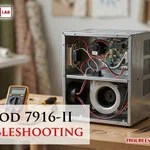
You can resolve issues with your atwood 7916-ii troubleshooting by checking your propane supply, battery voltage, and thermostat settings first. Most heating problems occur because the furnace isn’t receiving enough power or fuel to complete its ignition cycle. If you have checked these basics and the unit still fails to start, the issue might involve a restricted airflow or a faulty sail switch. Always start with the simplest external checks before assuming the furnace hardware itself has failed.
Common causes when troubleshooting your Atwood furnace
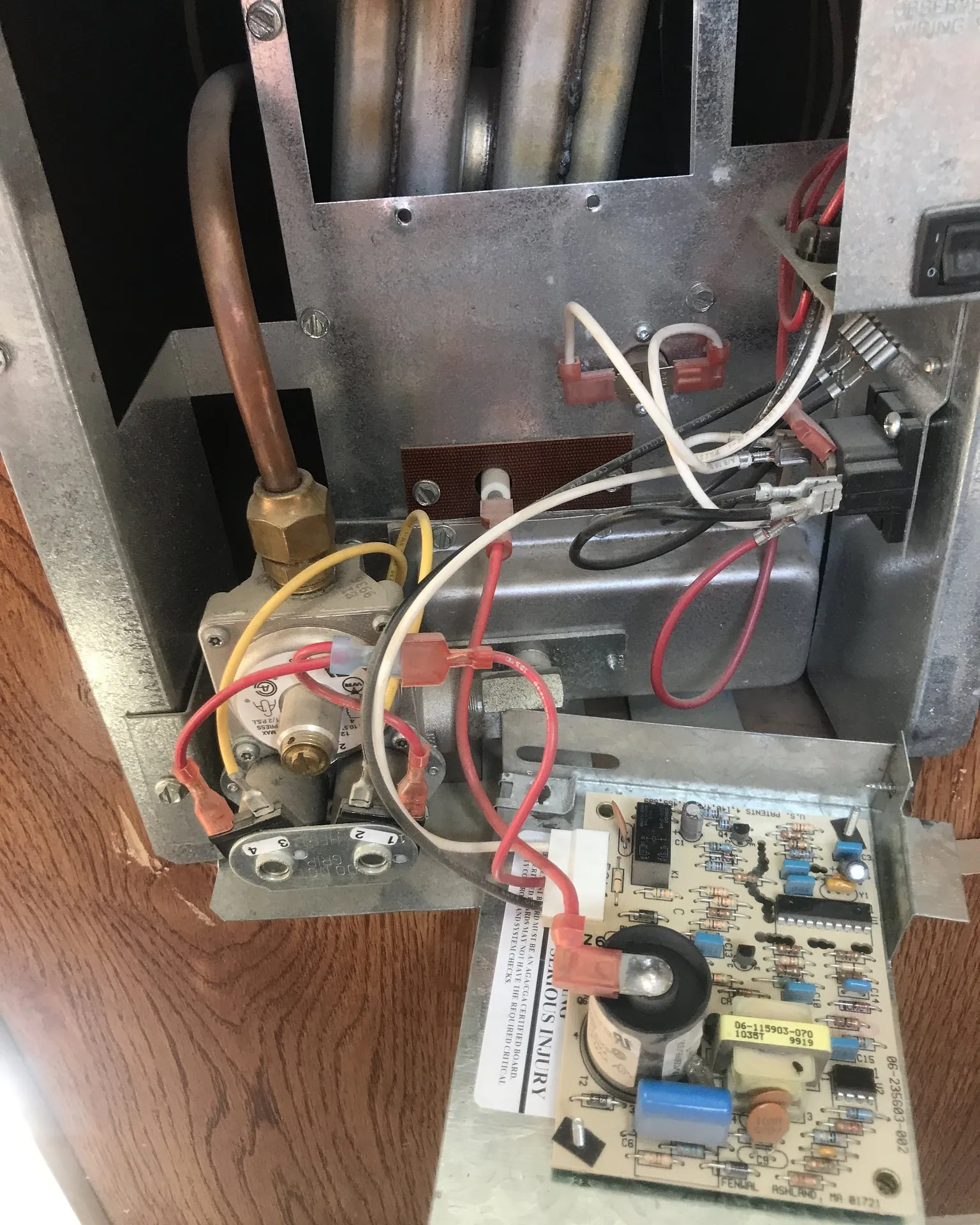
The primary reason a heater fails to ignite is a lack of fuel. If your propane tank is empty or the valve isn’t fully open, the burner will never receive the gas needed for combustion. Ensure your tanks are full and the manual shut-off valve on the tank is turned to the fully open position. Cold weather can also cause propane pressure to drop, which sometimes prevents the furnace from lighting even if the tank isn’t empty.
Electrical power is the second most common factor. The control board requires a steady 12-volt DC supply to operate the blower motor and the igniter. If your battery level is low, the fan might spin too slowly to close the sail switch.
The sail switch is a safety device that proves air is moving; if it doesn’t sense enough airflow, it prevents the gas valve from opening. You can find official guidance on Dometic furnace operation to understand how these systems maintain safety.
Finally, check your thermostat settings and wiring. If the thermostat is set to “cool” or the temperature is already above the set point, the furnace will remain idle. Ensure the wires connected to the back of the wall thermostat are secure and not corroded. If you see any loose connections, tighten them carefully while the power is disconnected to avoid shorting the control board.
Verify your propane and battery levels
The most effective way to start is by verifying your energy sources. If you have multiple propane tanks, switch to a fresh tank to rule out a localized fuel issue.
Have a technician verify your house battery bank voltage when resting, as checking it with DC loads on gives inaccurate readings. If the batteries can’t sustain adequate power when the furnace tries to start, they’re likely sulfated or undercharged.
If you’re using a portable generator or a shore power connection, ensure your converter is working correctly. A malfunctioning converter won’t charge the batteries, leading to low voltage during the high-draw ignition phase. If the blower motor hums but doesn’t reach full speed, the motor itself might be struggling.
Use this decision rule: if the blower fan runs at full speed but the burner never ignites, the issue is fuel or the sail switch. If the fan never reaches full speed, focus your troubleshooting on the battery state of charge or the motor itself. This fix is for those who can safely access their battery and propane compartments without tools. If you suspect a gas leak, turn off the propane supply immediately and contact a certified RV technician.
Inspect the return air vents
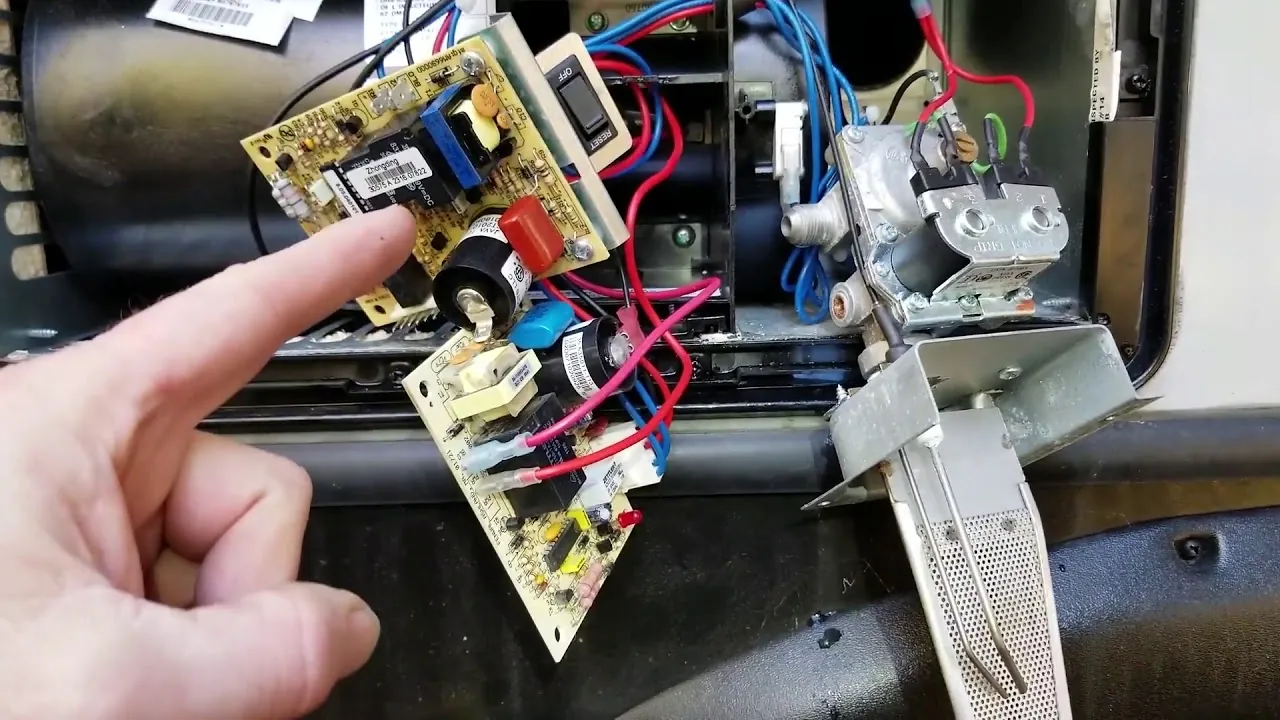
Restricted airflow prevents the furnace from reaching required pressure to trigger internal safety switches. Check all return air intake grilles inside your living space to ensure they aren’t blocked by rugs, furniture, or heavy dust buildup. If air can’t return to the furnace, the blower moves insufficient air and the sail switch stays open. This is a common issue in smaller spaces where storage items are often pushed against wall vents.
Clean intake grilles with a vacuum attachment to remove surface dust, pet hair, and lint. Replace dirty filters with clean ones of the exact size specified by the manufacturer. Never stack two filters to catch more debris because this chokes airflow just like a blockage.
If you still hear the fan running but the burner never kicks in, the restriction might be deeper in the ductwork. Test suction by holding a single sheet of paper flat against the grille while the system runs. The paper should stick firmly without support. If it flutters or falls, airflow is compromised beyond the visible vent. Crushed or disconnected ducting requires professional repair to maintain proper heating efficiency.
Reset the system controls
A hard reset can sometimes clear a minor fault in the control board. Locate the furnace power switch, which is often found on the exterior access panel of the unit. Turn the switch to the “off” position, wait 60 seconds, and then turn it back to “on.” This cycle forces the control board to reboot and re-run its internal diagnostic sequence.
Watch the small LED indicator on the control board during that 60-second pause. If it flashes a specific pattern before going dark, note the number of blinks. That blink code tells you exactly which sensor tripped the shutdown. A single flash usually means normal operation was interrupted by a brief power loss. Three or four rapid flashes point to an open limit switch or a pressure switch stuck closed.
If the furnace attempts to ignite and then shuts down again, the board has detected a persistent safety error. This reset is worth the effort if the system has been sitting idle for a long time. It isn’t helpful if you have a confirmed mechanical failure, such as a broken igniter or a failed blower motor.
Homeowners often mistake a tripped high-limit switch for a dead control board. The limit switch trips when airflow drops below what the heat exchanger needs to stay cool. Before you reset anything, pull the air filter out and hold it up to a light source. If you can’t see through the pleats, replacing that clogged filter might be your only real fix.
If the unit remains unresponsive after two attempts, avoid repeating the process. Repeatedly cycling a faulty furnace can damage the control board or lead to unnecessary wear on the igniter. At this stage, you should consult a professional technician to perform a formal diagnostic test on the internal components.
Mistakes that complicate furnace repairs
Replacing the fuse without checking the cause: A blown fuse usually indicates a short circuit or a failing motor. Replacing it without finding the source will only cause the new fuse to blow immediately. This repeated failure can permanently damage the control board, turning a simple fix into an expensive replacement.
Cleaning the burner with wire brushes: This can damage delicate metal components and change the gas-to-air ratio. That alteration creates a serious safety risk by producing excess carbon monoxide. Use compressed air or soft nylon brushes instead to preserve factory tolerances.
Bypassing the sail switch: Never jump any safety switch. These exist specifically to prevent fire and carbon monoxide buildup in your living space. If the switch trips repeatedly, the blower wheel is likely dirty or the ductwork is restricted.
Using unauthorized replacement parts: Always use parts designed for your specific model. Generic alternatives often lack proper thermal ratings, voiding warranties and creating hidden fire hazards inside the cabinet.
Preventing future furnace issues
| If you’re doing this | Do this instead | Why |
|---|---|---|
| Leaving vents blocked | Keep 6 inches of clearance | Airflow is needed for safety |
| Using old propane | Switch to fresh fuel | Pressure drops in cold weather |
| Ignoring dust buildup | Vacuum intakes monthly | Dust prevents air circulation |
| Leaving batteries low | Keep batteries fully charged | Low voltage causes ignition failure |
That six-inch clearance rule applies to both supply registers and return grilles. Furniture pushed against a return starves the blower just as fast.
A starving blower forces the heat exchanger to run hotter than designed. That extra heat trips the high-limit switch repeatedly until it fails open.
Vacuum the intake with a brush attachment rather than a bare hose. A bare nozzle can pull the filter media loose and tear it.
Ignition boards need steady power from a fully charged battery to fire the spark gap reliably. Have a technician check the battery voltage if the system clicks without lighting the burner.
Frequently asked questions
How long should the furnace fan run before it lights?
The fan runs for 15 to 30 seconds before the igniter engages to purge residual gases and build airflow. If it exceeds 60 seconds without ignition, the furnace enters lockout mode, requiring a thermostat or power reset.
Is it safe to use the furnace if it smells like gas?
No, turn off the propane supply at the tank immediately and vacate the area. A gas smell indicates a potential leak that creates a serious fire or explosion risk. Only a qualified technician with leak-detection equipment should handle this.
Why does the furnace click but not ignite?
The clicking is the igniter sparking, but the furnace lacks enough gas to produce a flame. This often happens if the gas valve is closed, the propane tank is empty, or air is trapped in the lines. Bleeding the lines by lighting a stove burner can help.
How often should I service the furnace?
You should inspect and clean the furnace intake and burner area as needed, since frequency depends on use and the owner’s manual is the authority. Regular maintenance prevents dust from accumulating on the sail switch and blower wheel, which are common failure points.
Can I fix a broken sail switch myself?
No, don’t attempt to repair or replace a sail switch unless experienced with RV furnaces. It sits inside the sealed combustion chamber, requiring furnace removal and risking a broken gas seal. Always have a professional handle internal repairs to prevent carbon monoxide leaks.
Conclusion
Proper care of your heating system ensures that you remain warm during cold trips. By keeping your power sources stable and your air intakes clean, you can avoid the most common causes of furnace failure. If your attempts to resolve the issue fail, reach out to a certified technician to keep your equipment running safely.