Is your propane heater not working the way it should? You rely on it to keep your space warm and comfortable, especially when the cold hits hard.
When it stops heating properly, it can be frustrating and even stressful. But don’t worry—most propane heater problems can be fixed with a few simple steps. In this guide, you’ll discover easy troubleshooting tips that anyone can follow. By the end, you’ll know exactly how to get your heater back to running smoothly and keep your home cozy all season long.
Keep reading—you’re closer to a warm, worry-free space than you think.
Common Propane Heater Issues
Propane heaters are reliable, but sometimes problems happen. Knowing common issues helps you fix them fast. This saves time and keeps you warm. Here are some frequent problems with propane heaters and easy ways to spot them.
Heater Won’t Ignite
The heater not starting is a common issue. It may be due to no gas flow or a faulty ignition system. Check the propane tank first. Make sure it is full and the valve is open. Look for any gas leaks or blockages in the hose. If the ignition clicks but the heater does not light, the igniter might be broken. Cleaning or replacing it can help.
Pilot Light Problems
The pilot light keeps the heater ready to ignite. If it won’t stay on, the problem could be a dirty pilot or a faulty thermocouple. Dirt blocks the gas flow, so clean the pilot area gently. A bad thermocouple stops the gas supply when the flame goes out. Replacing this part often solves the issue. Always check for drafts that might blow out the pilot light.
Uneven Heating
Uneven heat means some areas are warm, others are cold. This can happen if the heater is dirty or blocked. Dust and debris reduce airflow and heat spread. Clean the heater’s vents and filters regularly. Also, place the heater in a central spot to allow even heat flow. Broken parts like fans or motors may cause uneven warmth and need repair.
Strange Noises
Unusual sounds like popping or rattling are warning signs. Popping noises may come from gas build-up or sudden ignition. Rattling can be loose parts or a dirty fan. Turn off the heater and check for loose screws or debris. Regular maintenance reduces noise and keeps the heater running smoothly. Strange noises should never be ignored for safety reasons.

Safety Precautions
Safety is the top priority when using a propane heater. Ignoring safety rules can cause serious accidents. Always follow key steps to protect yourself and your home. Proper care helps prevent fire, gas leaks, and carbon monoxide poisoning.
Ventilation Tips
Use propane heaters in well-ventilated areas only. Keep windows or doors open to allow fresh air inside. Avoid using heaters in small, closed rooms. Good airflow stops dangerous gas buildup. Check vents and airways regularly for blockages. Never cover the heater or block its exhaust.
Handling Gas Leaks
Recognize the smell of propane gas. It often smells like rotten eggs. If you detect gas, turn off the heater immediately. Open all windows and doors to let gas escape. Do not use electrical switches or flames nearby. Leave the area and call your gas company or emergency services.
Proper Maintenance
Clean your propane heater regularly to keep it safe. Remove dust and debris from vents and burners. Inspect hoses and connections for cracks or leaks. Replace damaged parts right away. Have a professional check your heater every year. Proper upkeep extends the heater’s life and safety.
Quick Fixes For Ignition Problems
Ignition problems with propane heaters can be frustrating and cold. Quick fixes often solve these issues without needing a technician. Simple checks and small adjustments can get your heater working fast. Understanding these easy steps can save time and keep your space warm.
Checking The Propane Supply
Start by checking the propane tank. Make sure the tank is not empty. A low or empty tank stops the heater from igniting. Check the valve and ensure it is fully open. Inspect the hose for any cracks or leaks. A blocked or damaged hose can block gas flow. Replace or repair any faulty parts before trying to ignite again.
Resetting The Igniter
The igniter might need a reset to work properly. Turn off the heater and wait a few minutes. This cools the system and resets the electronics. Press the reset button or follow the manual’s instructions. Try to ignite the heater again. Sometimes, a simple reset fixes the ignition problem quickly.
Cleaning The Pilot Light
Dirt or debris can block the pilot light and stop ignition. Turn off the heater and let it cool. Use a soft brush or compressed air to clean the pilot area. Remove any dust or buildup gently. A clean pilot light burns steadily and helps the heater start. Regular cleaning can prevent future ignition troubles.
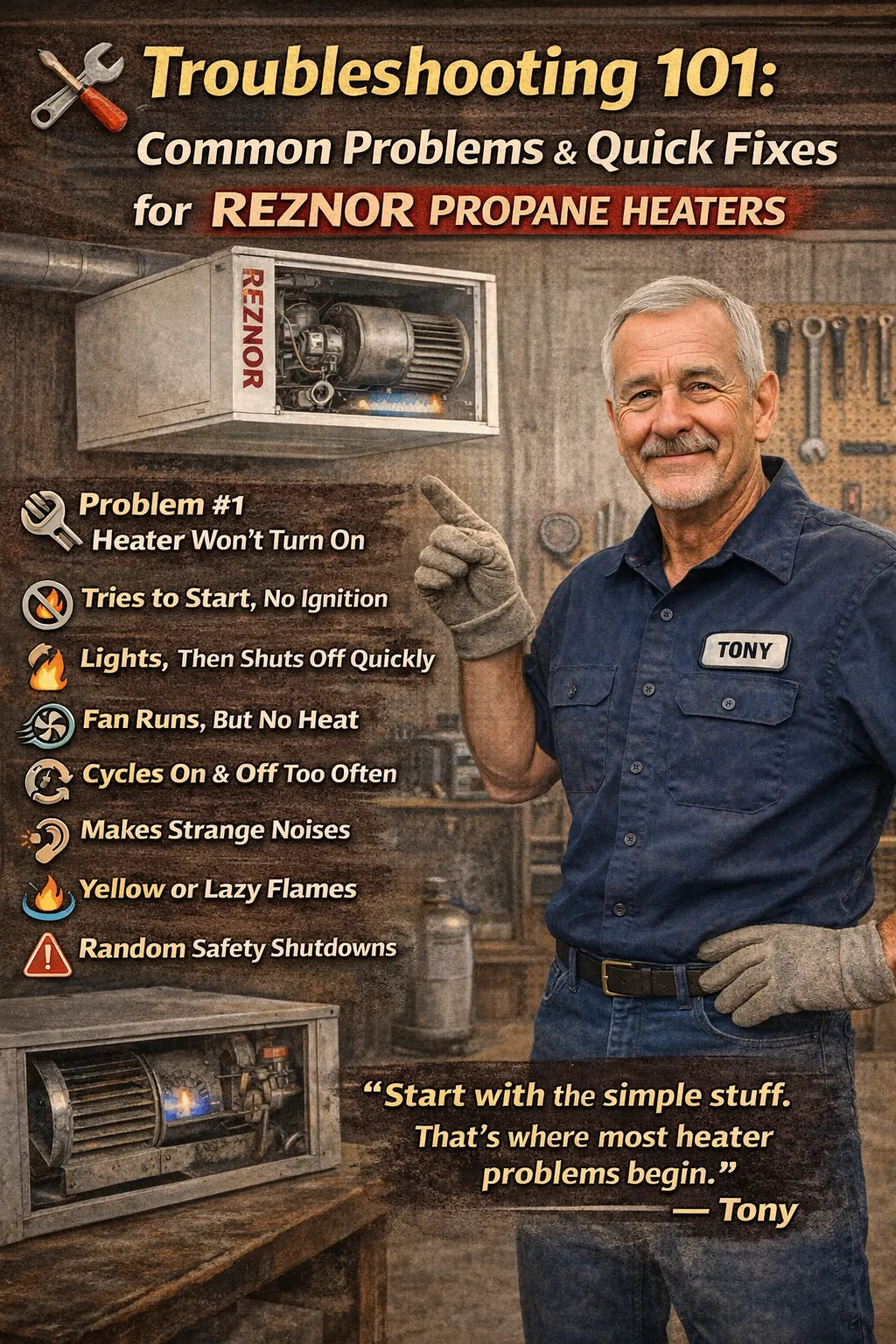
Resolving Heating Inefficiencies
Heating inefficiencies in propane heaters cause discomfort and waste fuel. Fixing these issues improves warmth and saves money. Simple checks and adjustments often restore proper function.
Focus on key parts that affect heating. The thermostat, burner, and any blockages need attention. Each element plays a role in how well the heater works.
Adjusting The Thermostat
The thermostat controls the temperature inside the heater. Set it too low, and the room stays cold. Set it too high, and the heater uses too much gas.
Check the thermostat setting first. Make sure it matches your desired room temperature. Sometimes, a small change can boost heating performance.
If the heater does not respond to thermostat changes, the thermostat may need repair or replacement. Testing it with a multimeter can help find issues.
Inspecting The Burner
The burner is where propane ignites to create heat. Dirt or rust on the burner lowers heat output. A clean burner burns fuel efficiently.
Turn off the heater and wait for it to cool. Remove the burner cover and look for dirt or damage. Clean gently with a brush or soft cloth.
Check the burner flame color. A strong blue flame means good combustion. Yellow or flickering flames indicate burner problems.
Clearing Blockages
Blockages in vents or pipes stop warm air flow. Dust, spider webs, or debris can block air passages. This reduces heater efficiency.
Inspect all air vents and pipes for obstructions. Use a vacuum or brush to clear dirt. Make sure nothing blocks the propane supply line.
After clearing blockages, test the heater to see if heat improves. Proper airflow helps the heater warm rooms evenly and quickly.
Noise Troubleshooting
Noise from a propane heater can be distracting and signal a problem. Understanding the sounds helps fix issues quickly. This section guides you through common noises and easy fixes.
Identifying Common Sounds
Clicking sounds often mean the igniter is working. Humming or buzzing can come from the fan or motor. Rattling noises may indicate loose parts inside the heater. Squeaking or grinding often means parts need lubrication.
Lubricating Moving Parts
Lubrication reduces friction and stops squeaks. Use a light machine oil for fan motors or any moving metal parts. Avoid over-oiling as it attracts dust. Apply oil to bearings and joints carefully. Run the heater to check if noise reduces.
Tightening Loose Components
Loose screws or panels cause rattles and vibrations. Turn off the heater and let it cool. Use a screwdriver to tighten all visible screws and bolts. Check the outer casing and internal parts. This simple step often solves many noise problems.

Routine Maintenance Tips
Routine maintenance helps keep your propane heater working safely and efficiently. Regular care can prevent common problems and extend the heater’s life. Simple steps can make a big difference in performance and safety.
Regular Cleaning
Dust and dirt can block the heater’s parts. Clean the exterior with a soft cloth. Use a vacuum to remove dust from vents and grills. Keep the burner area free of debris. This helps the heater run smoothly and safely.
Seasonal Inspections
Check the heater before each heating season. Look for cracks, rust, or damage on the unit. Test the ignition system and controls. Ensure the gas connections are tight and leak-free. Early checks stop bigger issues from forming.
Replacing Worn Parts
Parts wear out over time and affect heater performance. Replace old or damaged hoses, valves, and filters. Use parts recommended by the manufacturer. New parts keep your heater safe and efficient. Regular replacements avoid unexpected breakdowns.
Frequently Asked Questions
Why Is My Propane Heater Not Producing Heat?
Check if the propane tank has enough fuel. Also, inspect the pilot light and ignition system for issues.
How Do I Fix A Propane Heater That Won’t Light?
Ensure the propane valve is open and the area is well ventilated. Clean any dirt blocking the ignition source.
What Causes Propane Heater Flame To Be Yellow Or Weak?
A yellow or weak flame often means dirty burners or low propane pressure. Clean burners and check tank pressure.
How Often Should I Maintain My Propane Heater?
Regular maintenance is recommended once a year. This helps keep the heater safe and working efficiently.
Is It Safe To Use A Propane Heater Indoors?
Only use propane heaters designed for indoor use. Proper ventilation is crucial to avoid dangerous gas buildup.
Conclusion
Troubleshooting a propane heater can save time and money. Check the fuel supply, connections, and ignition first. Clean the heater regularly to prevent common issues. Always follow safety steps during repairs or checks. Small problems often have simple fixes you can try.
Stay patient and cautious for the best results. Proper care helps keep your heater working well. This guide makes propane heater problems easier to solve.