When your high-end appliance stops performing, navigating cuckoo rice cooker troubleshooting becomes a vital skill to restore your kitchen routine. These machines are engineered with precision, but even the most advanced induction heating or pressure-based models can occasionally encounter operational hiccups. Whether you’re dealing with an unexpected error code, unevenly cooked grains, or a persistent steam leak, identifying the root cause early prevents minor glitches from turning into permanent mechanical failures. Understanding the internal logic of your device helps you distinguish between user error, routine maintenance needs, and genuine hardware faults that require professional intervention.
Key Takeaways
- Check the rubber gasket for debris or tears if you notice steam escaping during the cooking cycle.
- Always ensure the inner pot is clean and dry on the exterior before placing it inside the heating element.
- Verify that your power outlet is functional by testing it with another appliance before assuming the cooker is broken.
- Perform a manual pressure release check to ensure the steam vent isn’t clogged with starch residue.
- Consult the specific error code manual provided by the manufacturer to identify unique sensor alerts.
Why Is My Cooker Not Turning On?
If your unit shows no signs of life, the issue is often related to the power connection or a triggered safety switch. Start by inspecting the power cord for any visible fraying or damage. Ensure the plug is seated firmly into both the wall outlet and the base of the cooker. Many models feature a magnetic power cord; if this connection is loose, the unit won’t draw electricity.
If the cable is secure, the internal thermal fuse may have tripped due to an electrical surge or overheating. In this scenario, the machine will remain unresponsive until the fuse is reset or replaced.
Never attempt to open the main housing of the unit if you aren’t trained in electrical repair, as this voids your warranty and poses a significant safety risk. Instead, test the outlet with a lamp or a different small appliance. If the outlet is functional but the cooker remains dark, the internal power board may require professional service.
Troubleshooting Cuckoo Rice Cooker Errors
Cuckoo cookers use specific alphanumeric codes to communicate internal issues. These codes are designed to prevent damage to the heating element or the pressure seal.
| Error Code | Potential Meaning | Recommended Action |
|---|---|---|
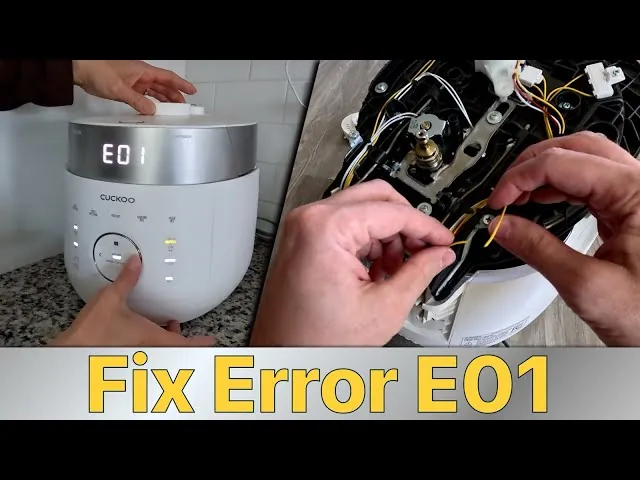
| E01 | Sensor disconnected | Check internal wiring or call support |
| E02 | Short circuit | Unplug immediately and contact service |
| E03 | Pressure valve issue | Clean the steam vent thoroughly |
| E04 | Lid not locked | Ensure the handle is in the locked position |
| E05 | Overheating detected | Allow unit to cool for thirty minutes |
Warning: Never attempt to bypass an error code by repeatedly unplugging and replugging the device, as this can lead to permanent damage to the motherboard.
Why Is the Rice Undercooked?
Under-cooked or crunchy rice is rarely a sign of a broken machine; it’s usually a result of incorrect water ratios or sensor interference. The most common culprit is the presence of starch or debris on the bottom of the inner pot. If there’s even a thin layer of residue between the pot and the heating plate, the temperature sensors will misread the heat distribution, causing the cycle to terminate prematurely.
Additionally, ensure that you’re using the correct measuring cup provided with the machine. These cups are calibrated specifically for the volume capacity of the cooker. If you use a standard kitchen measuring cup, the ratio of water to grain will be inaccurate, leading to poor results. Always rinse your rice until the water runs clear to remove excess surface starch, which can cause the steam vent to clog and interfere with the pressure sensors.
How to Clean the Steam Vent
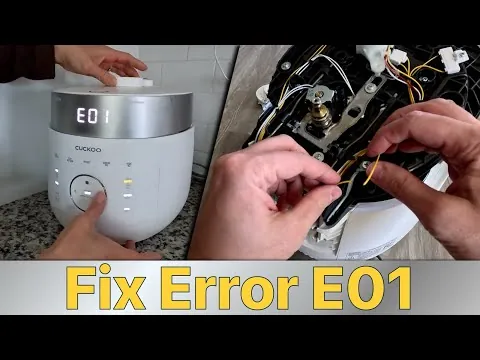
A clogged steam vent is a frequent cause of “E03” errors and poor cooking performance. The vent is responsible for regulating the internal pressure; if it’s obstructed by dried starch or debris, the cooker can’t maintain the proper environment for steaming.
To clean the vent:
- Locate the steam vent cap on the top of the lid.
- Remove the cap according to the manufacturer’s instructions.
- Use a soft brush or a pipe cleaner to remove any buildup from the vent opening.
- Rinse the cap under warm, running water and allow it to air dry completely before reattaching.
- Check the gasket area around the vent for any signs of mold or mineral deposits.
Troubleshooting Steam Leaks
If you see steam escaping from the sides of the lid while the cooker is in the pressurized phase, the silicone gasket is likely compromised. The gasket creates an airtight seal necessary for pressure cooking. Over time, these gaskets can harden or accumulate food particles that prevent a perfect seal.
Inspect the gasket for any visible cracks, nicks, or permanent deformations. If you find damage, replace the gasket immediately. You can maintain the health of your gasket by wiping it down with a damp cloth after every use and ensuring no food debris remains in the groove where the gasket sits. If the gasket appears fine, ensure that the lid is locked firmly into the closed position. The pressure mechanism requires a precise alignment to engage the locking pins correctly.
Is the Inner Pot Damaged?
The inner pot is the heart of your cooker. If the non-stick coating is scratched or peeling, your rice will stick to the bottom, which can lead to burning and uneven cooking. The heating plate relies on direct contact with the base of the pot to measure temperature accurately. If the pot is dented, that contact is broken.
- Avoid using metal utensils inside the pot.
- Only use wooden or silicone spoons.
- Clean the pot with a soft sponge and mild detergent.
- Never soak the pot in harsh chemicals or abrasive cleaners.
- Store the pot outside the cooker if you have limited counter space to prevent accidental bumps.
Managing Unusual Smells
If your cooker emits a strange or plastic-like odor, it’s often due to food residue trapped in the lid or the steam vent. This is common if the lid hasn’t been cleaned thoroughly. The underside of the lid often collects steam and starch, which can bake onto the surface over time.
Regularly remove and wash the inner lid plate. Most models have a detachable plate that can be cleaned in the sink. If the smell persists, place a cup of water with a tablespoon of vinegar in the pot and run a short steam cycle. This can help neutralize odors trapped in the steam paths. Always ensure the device is completely dry before storing it, as trapped moisture inside the housing can lead to mildew and unpleasant smells.
Understanding Pressure Issues
Pressure cookers must maintain a specific internal environment to operate safely. If your machine refuses to unlock even after the cycle is complete, don’t use force. The internal safety pin is likely still engaged because residual pressure remains inside.
Wait for the pressure release indicator to drop completely. If it doesn’t drop after a reasonable cooling period, ensure the steam vent isn’t obstructed. If the vent is clear and the pin remains raised, the pressure sensor may be faulty. In this instance, unplug the unit and allow it to cool naturally for several hours before attempting to move it.
When Should I Call Support?
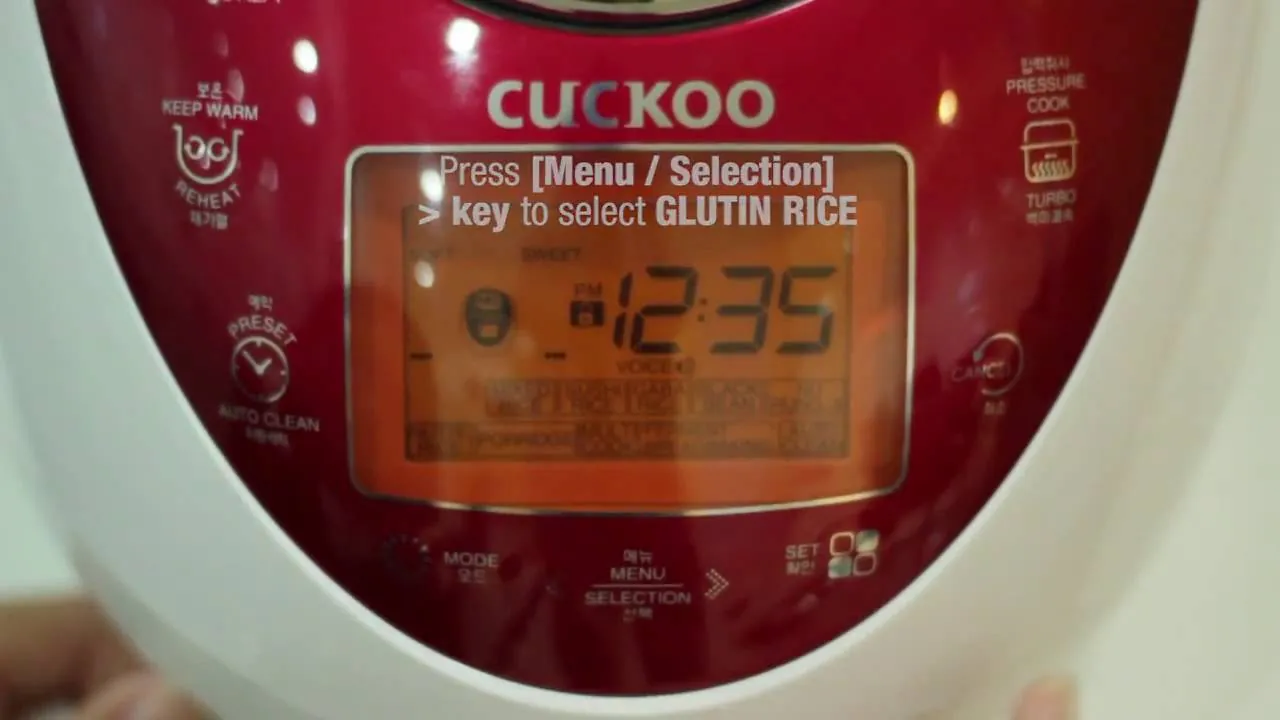
Sometimes, the internal electronics simply fail. If you have verified the power supply, cleaned the sensors, checked the gasket, and the unit still refuses to operate or displays persistent error codes, it’s time to contact the manufacturer. Before calling, have your model number and serial number ready, which can usually be found on a sticker on the bottom or back of the unit.
- Model number of the device.
- Serial number for warranty verification.
- Date of purchase.
- Detailed list of the error codes seen.
- Summary of the troubleshooting steps already taken.
Frequently Asked Questions
Why does my rice cooker keep turning off?
This usually happens because the cooker has reached its safety limit. If the inner pot isn’t seated correctly, the heating plate can’t detect the temperature properly, triggering an automatic shut-off to prevent overheating. Ensure the pot is clean, dry, and centered on the heating element. Also, check that the lid is fully locked, as many models won’t initiate a cycle if the safety mechanism isn’t engaged.
Can I replace the inner pot alone?
Yes, you can purchase a replacement inner pot if your current one is damaged. Ensure you buy the specific pot designed for your exact model number, as dimensions and sensor compatibility vary across the product line. Using an incorrect pot can cause the cooker to malfunction or produce unevenly cooked rice. Check the official manufacturer website or authorized parts retailers for the correct part number.
How often should the gasket be replaced?
The silicone gasket should typically be replaced every 12 to 24 months, depending on the frequency of use. If you notice steam leaking from the lid, or if the gasket feels brittle, cracked, or has lost its elasticity, replace it sooner. A worn-out gasket prevents the unit from maintaining the pressure required for proper cooking, which can lead to longer cycle times and poor texture.
Is it safe to leave the cooker on warm?
Yes, the “Keep Warm” function is designed to be safe for extended periods, but it’s best practice to limit this to 12 hours to maintain the quality and flavor of the rice. Leaving rice on warm for too long can lead to drying or bacterial growth if the temperature drops below the safe threshold. If you have leftover rice, store it in an airtight container in the refrigerator.
What causes the rice to burn on the bottom?
Burning on the bottom is often caused by an excess of starch or a failure of the heat sensor. Always rinse your rice thoroughly before cooking to remove excess starch. If the problem persists, check for any food debris on the heating plate or the underside of the inner pot. If both are clean, the internal temperature sensor may be failing and requires professional calibration or replacement.
Conclusion
To maintain your machine, start by performing a thorough cleaning of the steam vent and the inner lid plate today. These simple steps resolve the vast majority of performance issues and extend the lifespan of your appliance. If the problem persists after these maintenance tasks, consult your user manual for the specific reset procedure for your model.