The most effective way to address cvs health heating pad troubleshooting is to check the connection between the power cord and the controller, then inspect the wall outlet for power. Most issues with these devices start with a loose plug or a tripped breaker rather than a permanent failure of the heating element. If the pad remains cold after ensuring the connection is secure, it’s likely that the internal thermal fuse has blown, which is a non-repairable safety feature.
Troubleshooting common CVS health heating pad issues
Most heating pad problems stem from simple electrical interruptions or safety features designed to prevent overheating. When a device stops working, the first step is to confirm that the outlet is receiving power by plugging in a small lamp or another appliance. If the lamp works, the issue resides within the pad’s power cord, the controller, or the internal wiring.
Internal damage is another common cause, often resulting from folding or creasing the pad while it’s in use. These pads contain fine heating wires that can break if the material is bent sharply or pinched under a heavy object. Once these wires snap, the circuit is broken, and the pad will no longer generate heat. This happens frequently in households where pads are stored by wrapping the cord tightly around the controller, which puts stress on the connection point.
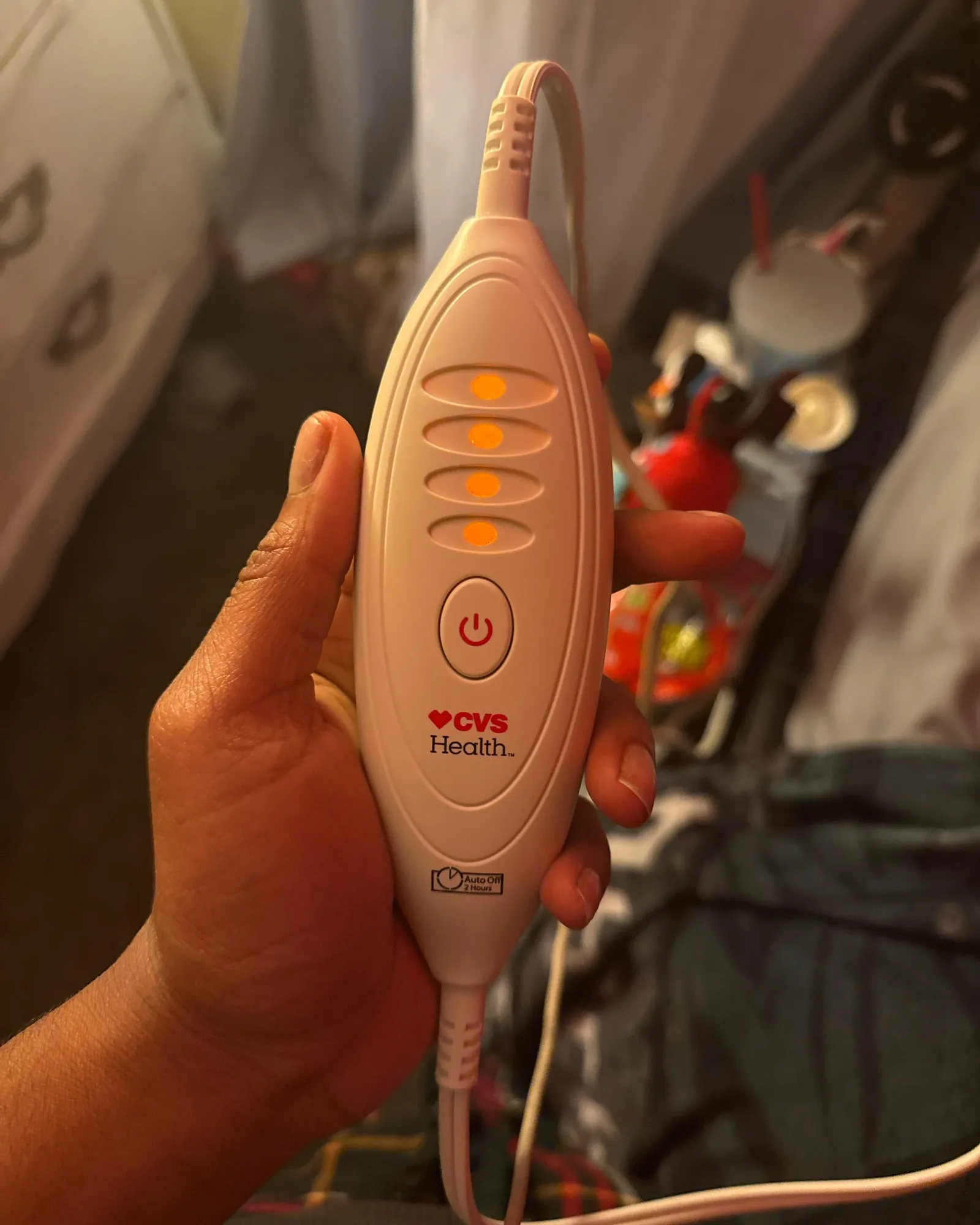
You should also examine the controller for any signs of physical damage or loose components. If the display light doesn’t illuminate when the device is plugged in, the controller itself may have failed. If the controller shows a flashing error code, consult the original manual that came with your specific model, as these codes often indicate a sensor fault that requires you to stop using the device immediately.
Secure the power connections
If your heating pad isn’t heating, the first thing to check is the physical connection between the detachable cord and the pad itself. Many models feature a snap-in connector that must be fully seated to complete the electrical circuit. If this connector is even slightly loose, the pad will fail to warm up, even if the controller appears to be functioning normally.
To perform this check, unplug the device from the wall outlet entirely. Locate the plastic connector where the cord meets the pad and pull it apart to inspect the pins for any debris or signs of melting. If the pins look clean, firmly push the two halves back together until you hear a distinct click. Once reconnected, plug the device back into the wall and attempt to turn it on using the lowest setting.
This fix is intended for users who notice the controller is lit but the pad feels cold. If the connector is physically damaged, such as having bent pins or melted plastic, don’t attempt to force it. Using a damaged electrical component poses a fire risk. In such cases, the device has reached the end of its safe operational life and must be replaced rather than repaired. Never attempt to bypass these safety connectors with tape or other makeshift materials.
Test with a different wall outlet
Sometimes the problem isn’t with the heating pad at all, but with the power source it’s plugged into. Many homes use Ground Fault Circuit Interrupter (GFCI) outlets in bathrooms or near sinks, which can trip if they detect a minor fluctuation in current. A tripped outlet will cut power to your pad, making it seem as though the device has failed.
To test this, move your heating pad to a different room and plug it into a standard wall outlet that you know is working. If the pad begins to heat up in the new location, you have confirmed that the issue is with your original outlet rather than the pad.
If you have a multi-outlet power strip, avoid using it for your heating pad. These devices often draw significant power, and power strips can sometimes limit the current or trigger their own internal circuit breakers.
If the pad still doesn’t work in a different, verified wall outlet, the internal circuitry of the pad or the controller is likely faulty. This is a common point of failure for older pads that have been used daily for long periods. If your device is under warranty, check the manufacturer’s documentation for return or replacement instructions. If it’s out of warranty, you must replace the unit, as internal electrical repairs aren’t safe for home users.
Inspect for physical damage
A heating pad that has been folded, bunched up, or sat upon may suffer from internal wire breakage that prevents it from heating properly. These wires are very delicate and are meant to lay flat during use. If you have been storing your pad by folding it into a tight square, you may have inadvertently damaged the internal heating elements.
To inspect for this, lay the pad flat on a firm surface in a well-lit area. Run your hands gently over the surface of the pad, feeling for any hard lumps, sharp creases, or areas where the internal wires feel disjointed. If you find a spot where the pad feels “kinked” or where the internal mesh seems to have shifted, this is likely where the circuit is broken.
If you find damage, don’t continue to use the pad. A broken wire can create an electrical arc or a hot spot, which is a serious fire hazard. This fix isn’t for those looking to patch the wires; there’s no safe way to splice heating wires inside a sealed pad.
If you identify physical damage to the internal structure, stop using the pad immediately and dispose of it. If you’re unsure if the wire is broken, listen closely while you move the pad; a faint crackling sound is often an indicator of internal wire fraying.
Avoid dangerous repair methods
It’s important to avoid common mistakes that people make when trying to fix a faulty heating pad. Many of these actions can cause further damage or create significant safety risks in your home.
- Never attempt to open the plastic controller housing or the sealed pad fabric to “fix” internal wires, as this voids all safety certifications and creates a shock hazard.
- Don’t use tape, glue, or solder to repair broken power cords or exposed wiring, as these materials can’t handle the heat and electrical load required.
- Avoid using an extension cord to reach a distant outlet, as heating pads should be plugged directly into a wall outlet to ensure a secure connection and prevent tripping hazards.
- Never submerge the controller or the cord connection point in water to clean them, as moisture inside these components will cause an immediate short circuit.
- Don’t try to “jump” the thermal fuse if the pad has stopped working, because that fuse is there to prevent the device from reaching temperatures that could burn your skin or ignite bedding.
Maintain your heating pad properly

You can extend the life of your device by changing how you store and use it daily. Proper care protects the internal heating elements and ensures the safety features remain fully functional.
| If you’re doing this | Do this instead | Why |
|---|---|---|
| Folding it tightly | Lay it flat or roll it loosely | Prevents internal wire breakage |
| Wrapping the cord | Coil it loosely beside the pad | Avoids stress on the connector |
| Using it while sleeping | Use a timer-controlled model | Prevents overheating during use |
| Cleaning with water | Spot clean with a damp cloth | Keeps electrical components dry |
Frequently asked questions
Can I fix a heating pad that won’t turn on?
You can’t fix a heating pad with an internal component failure. These devices are sealed for safety, and opening them creates major fire and shock risks. If basic troubleshooting fails, the unit must be replaced for your safety.
How long should a heating pad last?
Most heating pads last between 2 and 5 years with regular use. The lifespan depends on how carefully the pad is handled, as frequent folding stresses internal wires. If the pad heats inconsistently, it’s likely degrading and should be replaced.
Is it safe to use a heating pad that has a frayed cord?
It’s never safe to use a heating pad with a frayed power cord. Frayed cords expose live wires, creating an immediate risk of electric shock or fire. You must stop using the device immediately, as tape can’t restore the necessary insulation.
Why does my heating pad flash an error code?
A flashing error code indicates the controller has detected a fault in the sensor or heating circuit. This safety feature prevents the pad from reaching dangerous temperatures. Unplug the device and check your manual; if no reset exists, the fault is permanent.
What happens if I leave the heating pad on too long?
Leaving a heating pad on too long risks skin burns or fire if covered by heavy blankets. Many modern pads include an automatic shut-off feature after 60 to 120 minutes. If your model lacks this, you must manually turn it off to prevent overheating.
How do I reset a cvs health heating pad?
You can often reset a heating pad by unplugging it for 30 seconds before plugging it back in. This clears the controller’s memory and forces a re-check of the heating circuit. If it still fails, the hardware has likely suffered a permanent internal failure.
Conclusion
Always check the manufacturer’s specific guidelines for your model, as safety features and power requirements vary across different versions of the product. If your pad continues to malfunction after performing these basic checks, contact the customer service department listed on the product packaging for warranty information.
Related guides