
To fix a fridge that isn’t cooling properly, you should begin with basic defrost timer troubleshooting to see if the component is stuck in the defrost cycle. When this timer fails, the refrigerator may stop cooling entirely or build up excess ice on the evaporator coils, because the unit is stuck in a cycle that keeps the compressor from running. If you hear no motor sounds or notice frost buildup, the timer is often the culprit.
Troubleshoot a faulty defrost timer cycle
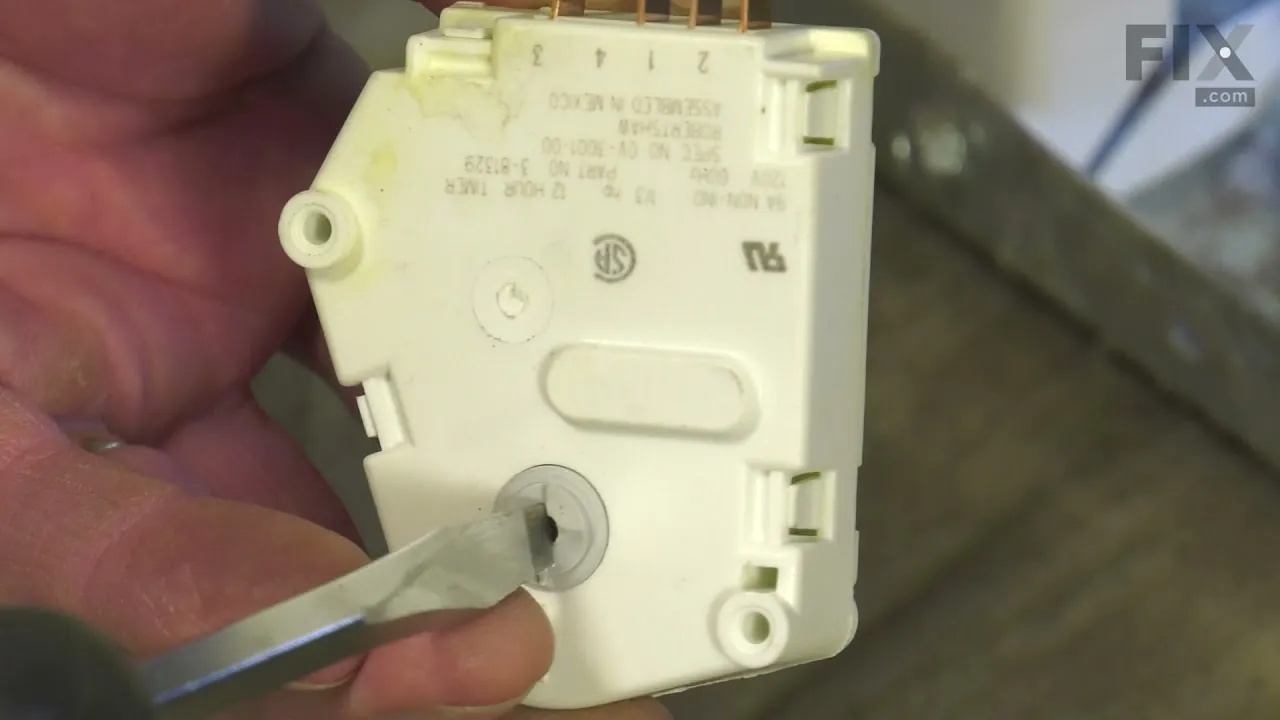
A faulty timer is usually mechanical. Inside the control box, a small motor turns a series of gears that switch the fridge between cooling and defrosting. If these gears strip or the motor burns out, the fridge gets stuck in one position indefinitely. If the timer fails to initiate the defrost cycle, evaporator coils freeze over, blocking airflow. If it sticks in defrost, the compressor remains off, and internal temperatures rise quickly.
You can test this by manually advancing the timer. Locate the timer inside the fridge or at the back near the compressor. It features a small slot for a flat-head screwdriver. Turn it until you hear a loud click and the compressor shuts off; this indicates the unit has entered defrost. If you wait 20 to 30 minutes and the compressor doesn’t restart, the timer is likely broken.
A common mistake is assuming a warm fridge always means a bad compressor. If your compressor is hot to the touch but silent, the timer is the primary suspect. If the compressor is cold and silent, check the thermostat or start relay first.
The decision rule is simple: if the fridge is freezing food but the back wall is covered in thick frost, the timer is stuck in cooling. If the unit is warm and the compressor isn’t running, the timer may be stuck in the defrost cycle. This distinction saves you from replacing expensive components when a simple timer swap is all that’s required.
Advance the timer dial manually
If you suspect your fridge is stuck, you can try to reset the cycle by manually advancing the timer dial. This is for users who have confirmed the fridge is warm but the lights are still on. Locate the timer, which is typically found in the ceiling of the fridge section or behind the kickplate at the bottom. Use a flat-head screwdriver to turn the dial slowly in the direction indicated by an arrow.
You’ll feel resistance as the gears move. Keep turning until you hear a distinct click. At this point, the compressor should kick on within a few minutes.
If the compressor stays silent, check your power source first. A common mistake is assuming the timer is dead when the outlet itself has tripped a GFCI breaker. If the outlet has power but the compressor remains silent, the internal contacts inside the timer are likely fused.
This fix isn’t for those who are uncomfortable working near electrical components. If the timer doesn’t click or the compressor remains silent after you have advanced it, the timer is faulty and must be replaced. Don’t attempt to open the plastic housing of the timer to repair the internal gears yourself.
Doing so exposes you to live wires and creates a significant fire risk. If you can’t hear the click, stop immediately and order a replacement part. Always unplug the unit before attempting to swap the timer module to ensure your safety.
Check the evaporator coil airflow
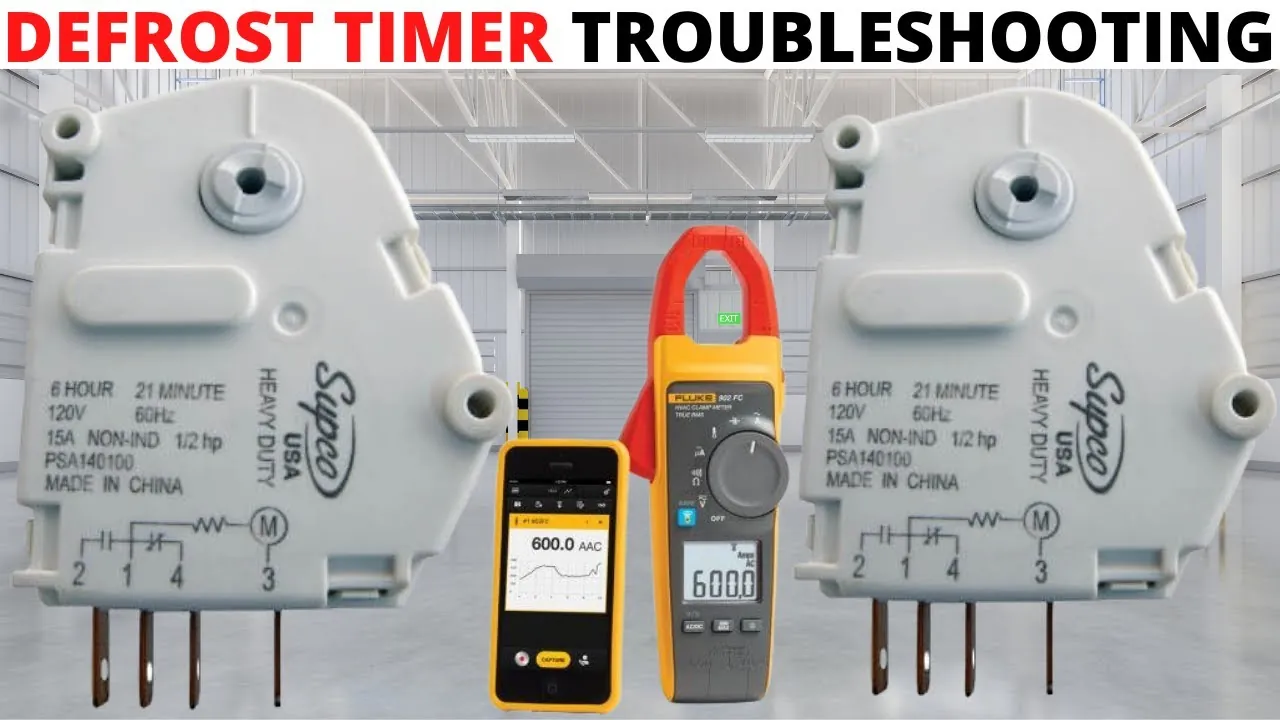
When the timer fails, the most common symptom is a block of ice forming on the back wall of the freezer. This happens because the timer fails to trigger the defrost heater, allowing frost to accumulate on the coils. Without proper airflow, the fan can’t push cold air into the fridge section. This fix is for those who notice that the freezer is cold but the main fridge area is warm.
Open the freezer door and look for ice buildup on the back panel. If you see thick, solid ice, the defrost system isn’t working. You can temporarily clear this by unplugging the unit and letting the ice melt naturally over 24 hours.
If the ice returns quickly after the unit is plugged back in, the timer is likely not sending the signal to the heater. This fix isn’t for those who lack the patience to wait for a full thaw or who have a fridge packed with perishable food. If you find that the timer is functioning but the coils are still freezing, you may have a failed heater or a bad thermostat instead of a timer issue.
Inspect the wiring and connections
Sometimes the timer is fine, but the power supply to it’s interrupted. This is for users who have already tried to advance the timer but found no change. Check the wires leading to the timer for any signs of burning, loose connections, or corrosion. If you notice a burnt smell or visible damage to the plastic wire harness, the timer and its connector will likely need professional replacement.
This task is strictly visual. If you see damaged wires, don’t touch them. A loose wire can cause the timer to skip cycles or stop entirely, leading to inconsistent temperatures.
A common mistake is assuming a loose wire can be fixed with electrical tape. This is dangerous; high-heat environments inside an appliance will melt the adhesive, leading to a potential short circuit. If the wire is loose, the terminal must be crimped or replaced entirely.
If the wiring looks clean and secure, but the timer still refuses to advance, the mechanical failure is internal. In this case, consult an appliance repair technician to verify the part number and ensure the correct replacement is installed for your specific model.
The decision rule is simple: if the wires are charred or brittle, the harness is compromised and needs a professional. If the wiring is physically intact but the timer remains unresponsive, the internal clock motor has failed. Replacing a timer requires matching the exact electrical specifications, or you risk damaging the compressor. Always disconnect the power source before performing any inspection to prevent accidental electrical shock.
Common myths about cooling cycles
Replacing the coolant fixes everything: Many people assume a warm fridge means it needs more refrigerant. In reality, refrigerant is a closed-loop system; if it’s low, you have a leak. Adding more without sealing the breach is a waste of money that fails within weeks. Always demand a leak test before a recharge.
The freezer being cold means the fridge is fine: A cold freezer doesn’t guarantee the rest of the fridge is getting air. If the evaporator fan is blocked by frost, cold air can’t reach the fresh food section. Check for airflow by feeling for a breeze near the vents; if you feel nothing, the issue is mechanical, not thermal.
Turning the thermostat to the coldest setting fixes it: If the defrost timer is stuck, the thermostat can’t force the compressor to start. You’re simply running the compressor at maximum load while it’s already failing to cycle.
Microwaving a cup of water helps the fridge: This is a dangerous myth. Adding heat to a struggling unit forces the compressor to run continuously, risking a burnout.
Unplugging the fridge resets the computer: This works for digital boards but does nothing for mechanical timers. If your fridge has a physical dial, you must manually advance the timer past the defrost cycle to see if the compressor kicks on.
Prevent future cooling issues
You can stop most cooling problems by ensuring the fridge has enough room to breathe and that the door seals are tight. If you’re doing this, you’re helping the compressor cycle properly.
| If you’re doing this | Do this instead | Why |
|---|---|---|
| Pushing the fridge against the wall | Leave 3 inches of space | Allows heat to escape |
| Leaving the door open often | Check the door gasket | Prevents frost buildup |
| Storing hot food inside | Let food cool first | Reduces moisture load |
| Ignoring frost on the back | Thaw and check the timer | Clears blocked airflow |
Most owners fail to check the gasket’s magnetic seal. Test it by closing the door on a single sheet of paper. If the paper slides out without resistance, the seal is compromised and must be replaced immediately. A failing seal forces the compressor to run constantly, which can burn out the motor within months.
If your unit sits on a carpeted floor, install a rigid mat underneath. Carpet fibers restrict airflow to the condenser coils, trapping heat that the system is designed to vent. Vacuum the condenser coils biannually to maintain efficiency and prevent the compressor from overheating.
Frequently asked questions
How long does a defrost cycle last?
A standard defrost cycle usually lasts between 20 and 30 minutes, depending on the amount of ice buildup. If your timer is stuck for hours or days, the motor inside the timer has likely failed. You can check this by marking the position of the dial and checking it again after one hour; if it hasn’t moved, the timer is broken.
Is it safe to use the fridge if the timer is broken?
No, it isn’t safe to store perishable food in a fridge with a broken timer, as the temperature will rise quickly. Bacteria grow rapidly in temperatures above 40°F. If your fridge has been warm for more than two hours, you should discard any meat, dairy, or cooked leftovers to avoid the risk of foodborne illness.
Can I repair the defrost timer myself?
No, you shouldn’t attempt to repair the internal components of a defrost timer, as they’re sealed units. If the mechanical gears or electrical contacts fail, the only safe solution is to replace the entire unit with a new one that matches your fridge’s specific part number.
Why is my fridge making a clicking sound?
A clicking sound often indicates that the timer is trying to advance or that the start relay on the compressor is failing. If the clicking is rhythmic and happens every few minutes, it could be the compressor trying to start but failing. If the fridge is warm, you need a professional to test the relay and the timer.
How often should a fridge defrost?
Most refrigerators are designed to run a defrost cycle once every 8 to 12 hours of compressor run time. This frequency is set by the manufacturer to keep the coils free of ice without wasting too much energy. If your fridge is running a cycle every hour, the timer is faulty.
Conclusion
If you aren’t comfortable handling electrical parts, don’t hesitate to call a local repair technician for help. It’s better to be safe than sorry when working with your appliance’s wiring. Once you’ve addressed the issue, keep an eye on the temperature for a few days to ensure everything’s running smoothly again.