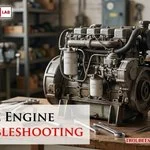
To solve a starting failure or power loss, performing deutz engine troubleshooting involves checking your fuel levels, air filter condition, and electrical connections. The most common cause for these engines failing to start is a lack of fuel pressure or air in the fuel lines. If your engine cranks but doesn’t fire, start by inspecting the fuel supply for leaks or blockages. You should also check the battery voltage to ensure it meets the manufacturer’s minimum requirements for consistent ignition.
Troubleshooting Deutz engine startup issues
Mechanical issues often stem from basic maintenance gaps rather than major internal component failure. When an engine struggles, the most likely culprit is fuel contamination or a clogged filter. Modern diesel engines rely on clean fuel to maintain high pressure; if debris enters the system, the injectors can’t atomize fuel correctly. This prevents the combustion necessary to keep the engine running at its rated speed.
Another frequent cause is restricted airflow. If the air filter is blocked by dust or debris, the engine can’t draw enough oxygen to support the combustion process. This is particularly common in machines used in agriculture or construction where environmental dust levels are high. You can verify the health of your intake system by inspecting the air cleaner housing for signs of excessive dirt buildup or physical damage.
Finally, electrical issues often prevent the starter motor from turning the engine over with enough speed. A loose cable or a low battery charge will cause the starter to click without engaging. You can check the state of your battery by looking at the voltage reading on your gauge or using a handheld tester. If the connections are clean and tight but the engine still fails to turn, the fault may lie within the starter solenoid or the ignition switch.
Check fuel and air systems
This fix is for users who notice the engine cranking slowly or sputtering during operation. Begin by locating the primary fuel filter and checking for water or sediment at the bottom of the bowl. If you see signs of contamination, drain the bowl according to the official operator manual provided by the manufacturer. If the engine has been sitting for a long time, the fuel may have degraded, so replacing the fuel with fresh diesel is necessary.
Next, inspect the air intake hose for cracks or loose clamps. A leak in the intake system allows unmetered air into the combustion chamber, which disrupts the air-to-fuel ratio. Tighten any loose clamps you find and replace any hoses that show visible signs of dry rot or splitting. If the filter element itself looks dark or feels heavy with dust, replace it immediately to restore proper airflow.
You’ll know this fix worked if the engine starts smoothly and maintains a steady idle without surging. If you lack the tools to bleed the fuel system or if you suspect a damaged fuel pump, stop your work immediately. These systems operate under extremely high pressure, and attempting to service them without proper training can result in serious injury or permanent damage to the engine.
Inspect electrical and battery connections
This fix is for engines that fail to turn over or produce a clicking sound when you turn the key. Start by checking the battery terminals for corrosion, which looks like a white or blue powder. Use a wire brush to clean the terminals and ensure the cable clamps are tightened securely to the posts. A loose connection prevents the starter from receiving the high current it needs to turn the heavy engine flywheel.
Follow the positive and negative cables to their connection points on the engine block and the starter motor. If you find a cable that’s frayed or feels warm to the touch after a failed start attempt, replace the cable immediately. If the battery is older than three years, it may no longer hold the cold cranking amps required for reliable starts. You can test your battery health at most local auto parts stores for free.
If the connections are clean and the battery is fully charged but the engine remains silent, the starter motor itself may have failed. Don’t attempt to bypass the solenoid or hit the starter with a hammer to force it to engage. These actions can damage the internal windings and create a fire hazard. If the issue persists, contact a certified technician to test the starter circuit.
Use diagnostic tools for deeper issues
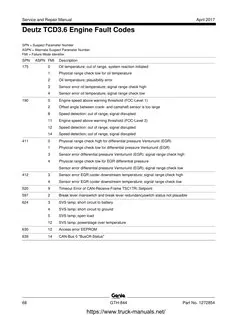
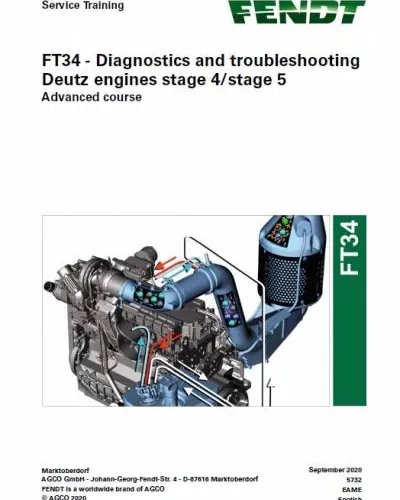
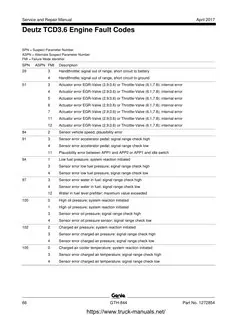
This fix is for cases where the engine starts but runs roughly, smokes excessively, or loses power under load. This stage requires a diagnostic scan tool that can read the engine control unit (ECU) error codes. If your machine is equipped with an electronic management system, the dashboard will often display a fault code that points directly to the sensor or component causing the trouble.
It’s worth the time to scan for codes if you’re unsure whether the problem is mechanical or electronic. If you don’t have access to a diagnostic tool, you can often find a local shop that offers code reading services for a small fee. This is much more efficient than guessing which sensor has failed, as it saves you from replacing expensive parts that are actually working perfectly.
However, if you aren’t comfortable interpreting error codes or working near high-voltage sensors, don’t attempt to clear or reset the computer. Resetting an ECU without fixing the underlying problem can cause the engine to enter a “limp mode,” which restricts power to protect the engine from damage. Professional intervention is required if the fault codes suggest a failure within the fuel injection computer or the timing system.
Common mistakes to avoid
Using starter fluid in a cold engine causes uncontrolled detonations that exceed the design limits of your pistons and rings. This often leads to cracked ring lands or bent connecting rods, turning a simple hard-start issue into a catastrophic mechanical failure.
Ignoring warning lights on the dashboard often turns a small, cheap repair into a major engine failure that requires a full rebuild. If your oil pressure or coolant temperature light flickers, stop immediately. Driving just one extra mile can warp a cylinder head, costing thousands more than the original sensor or thermostat fix.
Bleeding fuel lines by loosening high-pressure fittings while the engine is cranking is dangerous because high-pressure diesel can penetrate the skin. This injection injury is a medical emergency that often leads to tissue necrosis or amputation. Always use a rag to shield your hands, or use the manufacturer’s designated bleed port instead.
Mixing different types of diesel fuel or additives can clog the fuel system if the additives aren’t compatible with your specific engine model. Some modern high-pressure common rail systems react poorly to older cetane boosters, causing internal pump scoring. Always check your manual for a list of approved fuel conditioners before pouring.
Over-cranking the starter motor for more than 15 seconds at a time will cause the starter to overheat and fail prematurely. If the engine doesn’t catch, wait at least two minutes to let the windings cool. This pause prevents the insulation from melting, which is the most common cause of permanent starter burnout.
Proper maintenance practices
The best way to ensure your engine runs reliably is to follow the maintenance schedule in your owner’s manual. Compare your current habits with the recommended actions below to identify where you can improve your routine.
| If you’re doing this | Do this instead | Why |
|---|---|---|
| Waiting for failure | Scheduled filter changes | Prevents debris from entering injectors |
| Using old fuel | Using fresh, treated diesel | Reduces risk of algae and clogs |
| Cleaning with high pressure | Using compressed air gently | Protects delicate sensor wiring |
| Ignoring small leaks | Tightening fittings immediately | Stops air from entering fuel lines |
| Skipping daily checks | Pre-start oil/fluid inspection | Catches issues before they cause damage |
Frequently asked questions
How long should I crank the engine before stopping?
Never crank the engine for more than 15 seconds to prevent starter overheating. Allow the starter to cool for at least one minute between attempts to protect the electrical coils. Stop after three failed attempts to investigate fuel or air systems instead of draining the battery.
Why is my engine producing black smoke?
Black smoke indicates the engine is burning too much fuel or receiving insufficient air. Check your air filter first, as a clogged filter is the most common cause of a rich mixture. Address this issue quickly to prevent carbon buildup on your valves and maintain engine health.
Is it safe to use starting fluid in a deutz engine?
Never use starting fluid in these engines, as it can cause severe internal damage. High compression ratios mean the explosive nature of starting fluid can break pistons or connecting rods. Always rely on a healthy battery and clean fuel system to start the engine in cold weather.
How often should I change the fuel filters?
You may need to change them more frequently in dusty environments to protect the fuel injectors. Always check your maintenance manual for the specific service interval required for your engine model and application.
What happens if I ignore a check engine light?
Ignoring a check engine light can force the engine into a restricted power state known as limp mode. This mode protects internal components but significantly reduces your machine’s performance and speed. Continuing to run the engine in this condition risks permanent damage to expensive emission or fuel systems.
How do I know if the battery is dead?
A dead battery is indicated if the engine makes a slow, rhythmic chugging sound or if dash lights dim when turning the key. A healthy battery maintains enough voltage to turn the engine over quickly. A rapid clicking sound suggests the battery can engage the solenoid but lacks power to turn the starter.
Conclusion
If the engine still won’t run smoothly after these checks, it’s time to consult your service manual for deeper diagnostic codes. Don’t hesitate to contact a certified technician if you’re feeling stuck, as they’ll have the right tools to get you back on track quickly and safely.