To get your tool running again, you should perform dewalt 20v chainsaw troubleshooting by checking the battery charge levels and ensuring the bar oil reservoir is filled correctly. Most power issues stem from a depleted battery or a tripped safety switch, while cutting problems usually involve a dull chain or poor lubrication. If the tool still fails to engage after these checks, you must stop and seek help from an authorized service center.
Troubleshooting DeWalt chainsaw power loss
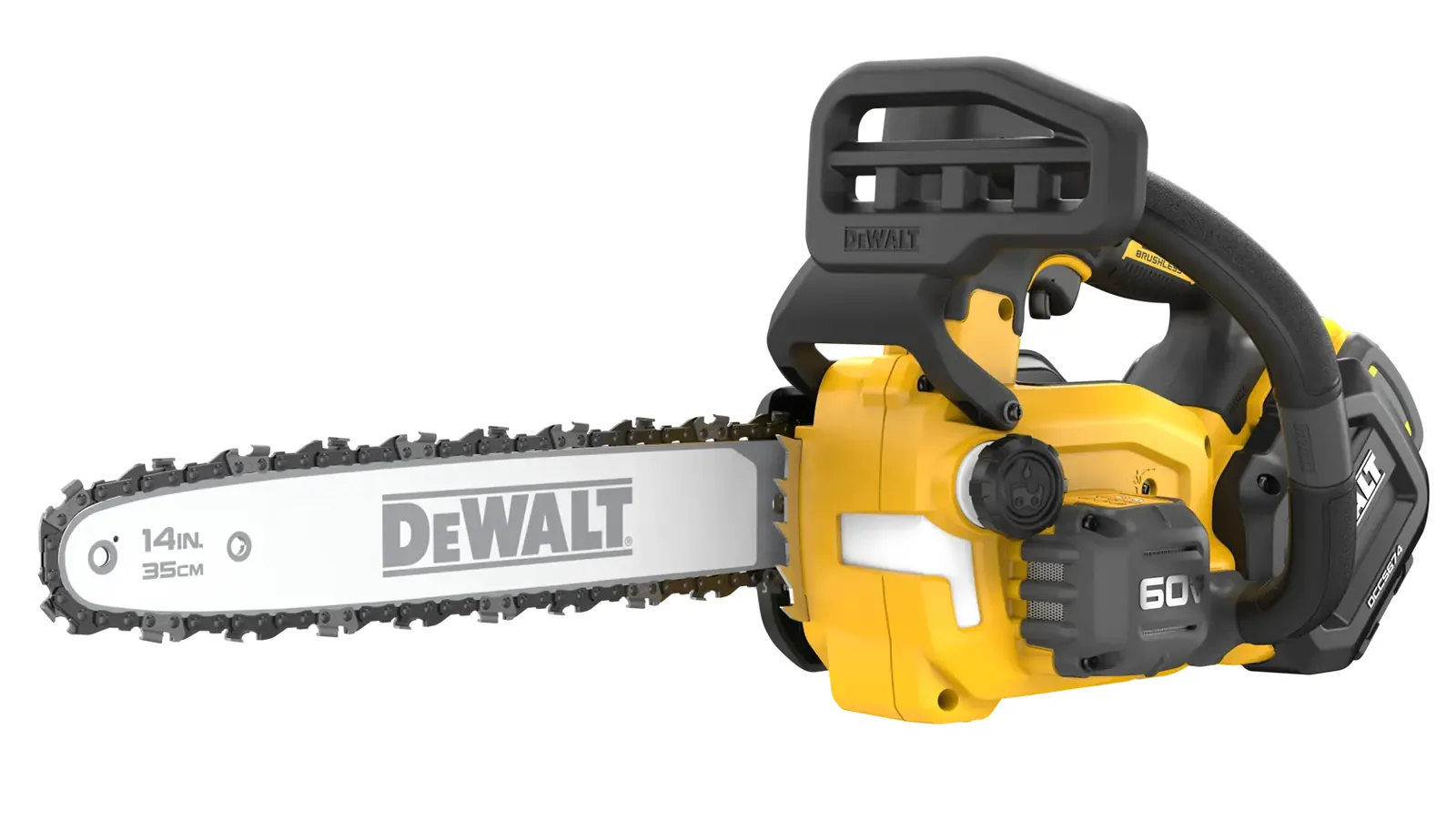
When your chainsaw stops mid-cut or refuses to start, the most likely cause is a battery that has reached its low-voltage cutoff point. Lithium-ion batteries used in these tools contain internal protection circuits that cut power to prevent permanent cell damage when the charge drops too low. If the battery is hot from heavy use, the tool will also stop to protect the internal electronics.
Another common cause is the activation of the chain brake. If the hand guard is pushed forward, the motor won’t receive power even if the battery is fully charged. You should also check for debris around the drive sprocket. If wood chips or dirt pack tightly into the housing, they can prevent the sprocket from spinning, which forces the motor to stall to avoid burning out.
Finally, consider the state of your guide bar. If the chain isn’t tensioned properly, it may jump off the track or bind against the wood. Always consult the DeWalt safety and instruction manual to verify the correct tensioning procedure for your specific model. Never attempt to bypass safety switches or force the motor if it feels hot to the touch, as this can void your warranty and cause permanent damage to the motor.
Check the battery and safety switches
If your tool is completely silent when you pull the trigger, the battery connection is the first place to look. Remove the battery and inspect the terminals for any buildup of sawdust or oxidation. Even a thin layer of debris can prevent the electrical contacts from seating properly. Use a dry, clean cloth to wipe the contacts on both the tool and the battery before clicking it back into place.
Next, ensure the chain brake is in the “off” or disengaged position. The lever must be pulled back toward the handle for the motor to engage. If you’re using a tool that has sat in storage for several months, the battery might have lost enough charge that it no longer triggers the motor, even if the indicator lights show a partial charge. Always use a charger that’s compatible with the 20V Max system.
This fix is for users who have a battery that still holds a charge but fails to power the tool. If your battery indicator flashes a specific error code, it means the unit has detected a fault in the cells. In this case, don’t attempt to open the battery casing.
Batteries contain volatile chemicals and must be handled by an authorized service technician. If you can’t resolve the power issue with these steps, take the unit to a certified repair shop.
Adjust the chain tension and lubrication
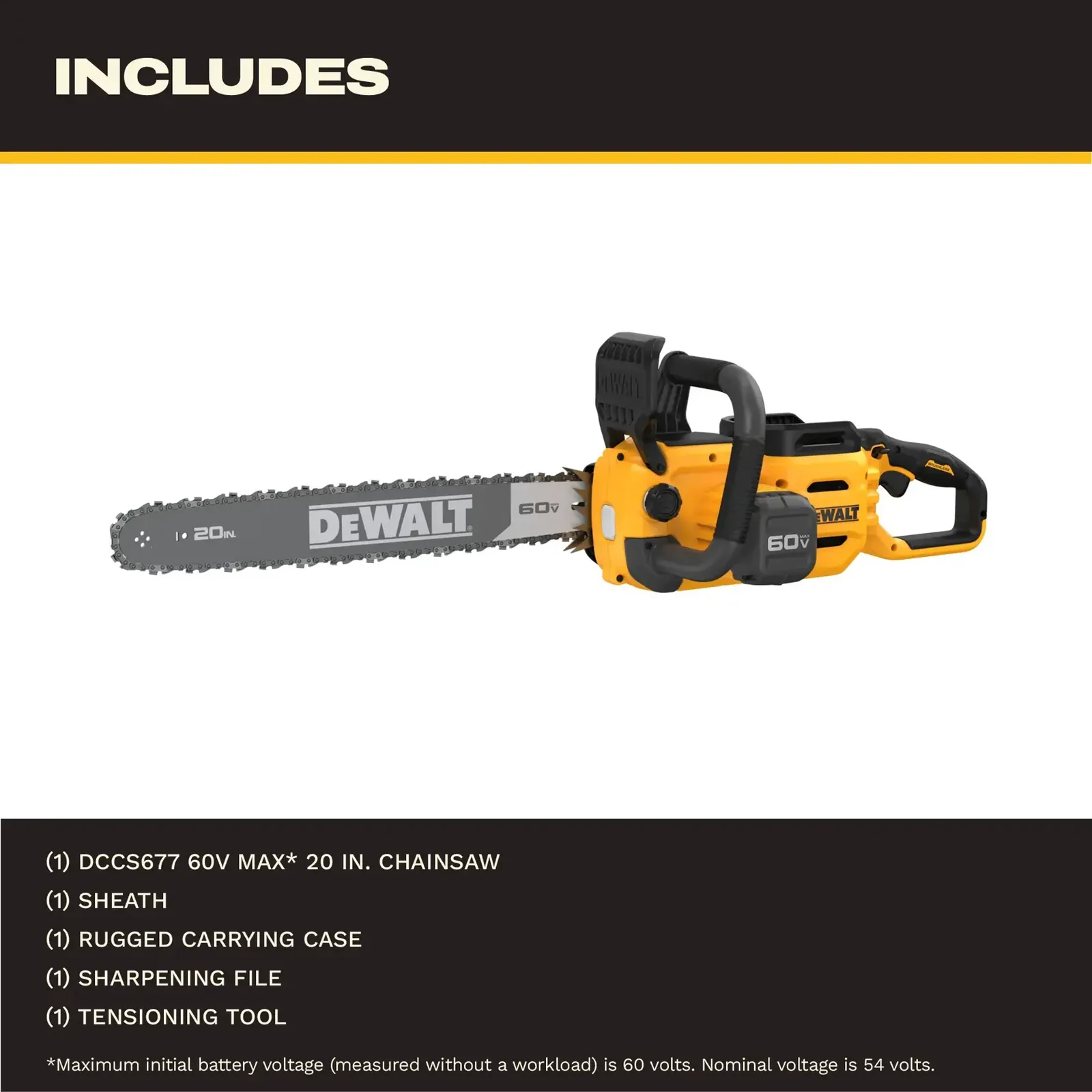
A chain that’s too tight creates excessive friction, which drains the battery rapidly and causes the motor to overheat. To check the tension, pull the chain away from the bottom of the guide bar. You should be able to lift the drive links out of the groove by about 1/8 inch, but no more than 1/4 inch. If the chain hangs lower than this, it’s too loose and poses a safety risk.
Proper lubrication is just as vital as tension. If your chain is smoking or turning blue, the oiling system is likely blocked. Check the oil reservoir to ensure it’s full of high-quality bar and chain oil. If the oil isn’t reaching the bar, clear the oil feed hole with a thin piece of wire. If the oil channel remains dry even after cleaning, the internal oil pump may be faulty.
This approach is for users experiencing poor cutting performance or overheating. If you notice the chain is dull after cutting dirty or dry wood, you must sharpen it with a file or replace the chain entirely. Operating a dull chain puts immense strain on the 20V motor and will significantly reduce the life of your equipment. If the oil pump failure persists after clearing the holes, you must contact professional repair support.
Resolve motor performance issues
When the motor runs but the chain doesn’t move, the problem usually lies with the drive sprocket or the clutch mechanism. Inspect the sprocket teeth for signs of heavy wear or missing metal. If the sprocket teeth are worn into deep hooks, they will fail to grab the drive links on the chain, causing the motor to spin uselessly.
If the motor smells like burning rubber or ozone, stop immediately. This indicates the motor is struggling against a mechanical resistance, such as a seized guide bar or a jammed sprocket. Check if the guide bar is bent or if the groove is pinched. If you have to force the tool to cut, you’re likely pushing too hard. Let the weight of the saw do the work.
This fix is for advanced users who have basic experience with mechanical tools. If you find that the sprocket is damaged, you can replace it, but ensure you use only genuine replacement parts. Never modify the sprocket or use a chain with a different pitch than the one specified for your model. If you’re uncomfortable inspecting internal drive components, take the saw to a technician.
Common mistakes to avoid
Using thin motor oil: Never substitute bar oil with recycled engine oil. It lacks the “tackifiers” needed to stick to the chain and will spray off, leaving your bar dry. A dry bar creates friction that can warp the metal guide rail within minutes of operation.
Over-tightening the chain: Many users pull the chain until it’s tight against the bar. This prevents the motor from turning and will quickly trip the tool’s thermal protection. You should be able to pull the chain up from the bar by about an eighth of an inch; if it doesn’t snap back into the track, it’s too loose.
Forcing the saw: Pushing down on the handle causes the chain to bind and increases the risk of kickback. Let the weight of the saw do the work. If you find yourself leaning on the tool, your chain is dull.
Storing with oil: Leaving oil in the reservoir during long-term storage leads to leaks. If you store the saw for more than a month, drain the oil into a container.
Ignoring dull teeth: Continuing to cut with a dull chain forces the motor to work twice as hard. This leads to premature battery failure and motor burnout. If you see sawdust instead of wood chips, stop and sharpen the teeth immediately.
Preventative maintenance for your chainsaw
| If you’re doing this | Do this instead | Why |
|---|---|---|
| Storing battery in heat | Keep in a cool, dry place | Heat degrades lithium-ion cells |
| Cleaning with water | Use a dry brush or air | Moisture causes electrical shorts |
| Ignoring chain sharpness | Sharpen every few tank refills | Sharp teeth reduce motor load |
| Using old bar oil | Use fresh, clean oil | Old oil clogs the delivery pump |
| Forcing the cut | Let the saw weight do the work | Prevents overheating the motor |
Most users mistake a dull chain for a dying motor. If you notice the saw producing fine sawdust rather than thick, uniform chips, stop immediately. A dull chain forces the motor to draw excessive current, which can permanently damage the internal windings.
If you’re cutting seasoned hardwood, sharpen every two tanks. If you’re cutting soft pine, you can stretch this to four.
Always check your oiler flow before starting. Hold the bar over a piece of cardboard and rev the engine. You should see a distinct line of oil spray. If you see no line, clear the bar groove immediately. Running a dry chain generates heat that warps the bar, turning a simple maintenance task into a costly replacement.
Frequently asked questions
How long should a 20V battery last under load?
A fully charged 5Ah battery typically provides 30 to 45 minutes of continuous cutting in soft wood. Runtime decreases significantly when cutting hardwoods or using a dull chain. If runtime is consistently under 10 minutes, the battery may need replacement.
Why does my chainsaw smoke while cutting?
Smoke is usually caused by friction from poor lubrication or excessive chain tension. Stop the saw immediately and check the oil reservoir or guide bar groove for blockages. If the chain is well-lubricated, loosen the tension to allow the chain to move freely.
Is it safe to fix the oil pump myself?
The internal oil pump is a sealed unit; if it fails, the tool must be taken to an authorized service center. Attempting to disassemble the housing can break plastic tabs and compromise safety. If the pump fails, take the unit to an authorized service center for repair.
How often should I check the chain tension?
Check chain tension before every use and again after the first 10 minutes of operation. Chains naturally stretch as they heat up during initial cuts. If the chain sags below the guide bar, stop the motor and adjust the tension immediately.
What happens if I use the wrong chain size?
Using a chain with the wrong pitch or gauge causes drive links to jam or skip, stressing the motor. Always match chain specifications to those listed on your guide bar. If you’re unsure of the size, check the numbers printed on the bar.
Conclusion
Keeping your equipment clean and storing it in a dry place will help it last for years to come. If you’re still having trouble, don’t force the motor to run. Reach out to a local shop for a professional inspection so you’ll be ready for your next big project.