To fix a machine that won’t start or move, you should perform ditch witch troubleshooting by checking the fuel levels, battery connections, and safety interlock switches first. Most starting issues occur because the operator presence switch isn’t engaged or the emergency stop button is still pressed. If the engine cranks but fails to fire, the fuel lines or filters are often blocked with debris.
Troubleshooting why your Ditch Witch won’t start
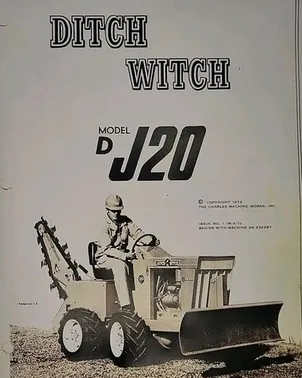
When your machine refuses to start or loses power, the causes are usually simple mechanical or safety-related issues. The most common cause is a tripped safety interlock, which prevents the engine from turning over if the operator isn’t in the seat or if the control levers aren’t in the neutral position. These sensors are designed to protect you from accidental movement during startup.
Another frequent problem involves the electrical system. If you turn the key and hear only a click, the battery might have a loose terminal or a low charge. Vibration during heavy work can cause these connections to shake loose over time. You should check that the battery cables are tight and free of corrosion before assuming the battery itself is dead.
Fuel system health is the third major factor. If the engine cranks but won’t run, the fuel might be old or the fuel filter could be clogged. This is common if the machine has sat idle for several weeks. If you notice leaks near the fuel lines, don’t attempt to start the engine, as this presents a fire risk.
Check the battery and electrical connections
If your machine fails to show any signs of life when you turn the key, you must inspect the electrical path. Start by looking at the battery terminals to ensure they’re clean and firmly attached. If they’re covered in white or blue powder, clean them with a wire brush to restore the flow of electricity.
This fix is intended for users who can safely access the battery compartment without needing specialized tools. If you find frayed wires or smoke coming from the electrical harness, stop immediately. Don’t attempt to repair damaged wiring yourself, as this can cause short circuits or fires. Contact an authorized dealer to handle electrical repairs to avoid voiding your warranty or causing further damage to the control computer.
Inspect the fuel system and air intake
For machines that crank but refuse to start, the problem is often a lack of fuel flow or air. Start by verifying that the fuel tank has enough fuel. It sounds simple, but gauges can sometimes stick or fail, leading you to believe the tank is full when it’s actually empty. Always perform a physical check by rocking the machine or using a dipstick to confirm the level.
Check the fuel sediment bowl if your model has one, as this collects water and dirt that can block the line. If the bowl looks cloudy or contains debris, it needs cleaning. You should also inspect the air filter intake. If the machine was used in dusty conditions, the filter might be completely blocked, preventing the engine from getting the oxygen it needs to combust.
If you suspect a fuel line blockage, don’t force the engine to crank for more than ten seconds at a time. This protects the starter motor from overheating, which can lead to an expensive replacement. If you see fuel leaking from a line, stop immediately.
If you can’t clear the blockage by replacing the filter or checking the lines, you have reached the limit of basic maintenance. A professional mechanic should inspect the fuel pump and injectors, as these components require precise calibration and specialized testing equipment. If the engine fires briefly with starting fluid but dies immediately, you have successfully isolated the issue to the fuel delivery system rather than the ignition or compression.
Clear the safety interlock sensors
The safety interlock system is a series of switches that monitor your position and the machine’s state. If a switch is stuck, the machine will act as if you aren’t there and stay locked. Start by checking the seat sensor and the control lever neutral lock.
Sometimes, dirt or mud builds up around these switches and prevents them from clicking into the “on” position. Use a dry cloth to wipe away any debris near the base of the control levers or underneath the operator seat. If you hear a distinct “click” when moving the levers, the switch is likely working. If there’s no sound, the switch may be broken or disconnected.
Test the sensor by applying firm pressure to the seat while listening for the engagement sound. If the machine remains unresponsive despite a clean sensor, check the wiring harness for frayed insulation or loose spade connectors. A common mistake is assuming the switch has failed when the actual issue is a disconnected ground wire vibrating loose from the frame.
This fix is for those who are comfortable cleaning around sensitive mechanical parts. If you find that the switch itself is physically damaged, don’t attempt to bypass it by wiring it closed.
Bypassing safety switches is dangerous and removes the protection that prevents the machine from moving while you aren’t in control. Always replace faulty safety switches with the exact part recommended by the manufacturer. Using a generic substitute can lead to intermittent signal drops, which causes the machine to stall unexpectedly during operation.
Common mistakes to avoid
Bypassing safety switches: Never wire a switch closed to keep the machine running. This removes the mechanical interlock that stops the engine if you fall. If the machine lacks a dead-man switch, you lose your only defense against a runaway vehicle.
Using old fuel: Leaving fuel in the tank for more than 30 days creates gum deposits. These residues clog injectors and filters, often requiring a professional fuel system flush. If the engine hunts or surges at idle, drain the tank immediately before the varnish hardens.
Ignoring warning lights: Continuing to work when a temperature or oil light glows can cause permanent engine seizure. This mistake transforms a simple sensor fix into a total engine rebuild. If the light flickers, stop the engine and check fluid levels before restarting.
Over-cranking the starter: Holding the key for more than 10 seconds drains the battery and burns out the starter motor. If the engine doesn’t catch, wait 30 seconds to allow the windings to cool.
Preventing future operation issues
To keep your equipment running reliably, you must transition from reactive repairs to a consistent maintenance schedule. The specific interval for oil changes and filter replacements varies by model and usage hours, so always check your owner’s manual for your machine’s exact requirements.
| If you’re doing this | Do this instead | Why |
|---|---|---|
| Leaving fuel in the tank | Use a fuel stabilizer | Prevents internal gum buildup |
| Ignoring loose wires | Tighten them immediately | Stops vibration-related failures |
| Cleaning with high pressure | Use compressed air | Prevents water entering sensors |
| Skipping daily checks | Check fluids every morning | Catches leaks before they grow |
Most operators fail by waiting for a visible performance drop before inspecting critical components. This mistake often doubles your repair costs because minor seal failures quickly escalate into total hydraulic system contamination.
Use this decision rule: if your equipment operates in dusty or extreme temperatures, halve the manufacturer’s recommended service interval. If you notice a sudden change in engine pitch or vibration, shut down immediately. Running a machine for even ten minutes after a warning sign can turn a simple bolt replacement into a full engine rebuild.
Frequently asked questions
How long does a battery typically last on these machines?
A standard battery lasts 3 to 5 years, depending on usage and storage climate. Extreme temperatures can significantly shorten this lifespan. You should test the battery’s ability to hold a charge every spring before the heavy work season begins.
Why does the engine stall when I engage the blades?
The engine stalls because the safety system detects an issue with the load or a sensor is triggering a shut-off. This often happens if the blade belt is seized or if the operator isn’t sitting correctly on the seat sensor.
Is it safe to jump-start the machine?
Yes, it’s safe to jump-start the machine if you use the correct voltage and follow the proper cable order. Ensure your jump source matches the battery voltage, as using a higher voltage will destroy the electrical system.
What happens if I keep running the machine with a clogged filter?
Running the machine with a clogged filter will eventually cause the engine to starve for fuel or air, leading to a total loss of power. This can cause the engine to overheat or run poorly, creating internal carbon buildup.
How often should I check the hydraulic fluid levels?
You should check your hydraulic fluid levels before every use, or as stated in your maintenance manual. Low pressure will cause the machine to lose its lifting or digging power. Never run the system if the oil level is below the minimum mark.
Conclusion
Regular maintenance is the most effective way to keep your machine ready for the job site. By checking the fluid levels, keeping the battery clean, and respecting the safety systems, you avoid the most common causes of downtime. If you encounter a problem that doesn’t respond to these basic steps, don’t force the machine to operate, as this will lead to more expensive repairs.
Related guides