When your RV refrigerator stops cooling, the frustration is immediate, but understanding the underlying mechanics of a dometic 3 way fridge troubleshooting process can often save you a service call. These units, known as absorption refrigerators, are unique because they operate on three distinct power sources: 120V AC, 12V DC, and propane gas. Because they lack a compressor, they rely on a chemical reaction involving ammonia, hydrogen, and water, which makes them sensitive to leveling and ventilation. Troubleshooting these units typically costs between $150 and $450 for professional diagnostics, though many common issues can be resolved with basic tools and a bit of patience.
Key Takeaways
- Ensure your RV is perfectly level, as absorption fridges require a level surface to circulate refrigerant effectively.
- Check your exterior ventilation panels for debris, nests, or obstructions that could be blocking airflow.
- Verify your power source; if the fridge works on propane but not electricity, the issue is likely the heating element or fuse.
- Clean the burner assembly and chimney flue periodically to prevent propane combustion issues.
- Listen for the distinct sound of the igniter clicking to confirm the propane system is attempting to light.
Safety: Inside a mains-powered machine, the parts behind the outer cover can hold a dangerous electrical charge even after it has been unplugged — that’s why they sit behind a cover. Opening the housing, or testing or replacing anything behind it, is a job for a qualified technician, never a home repair.
Why Leveling Is Crucial
Absorption refrigerators operate by heating a mixture of ammonia and water until it vaporizes and circulates through the cooling unit. If the RV isn’t level, the liquid refrigerant can pool in the pipes, creating a blockage that prevents the cycle from completing. This is a common critical operation requirement for these systems.
If you notice the freezer is cold but the main fridge cabinet is warm, your unit may be slightly off-center. Always use a bubble level inside the fridge compartment to confirm the unit is truly flat.
Troubleshooting Dometic 3-Way Fridge Power
Since your fridge uses three energy sources, you must isolate which one is failing. If the unit doesn’t work on any mode, the problem is likely in the cooling unit itself. If it works on propane but not on shore power, you’re likely dealing with a failed AC heating element. Conversely, if it works on 120V but not on 12V, check your battery voltage and the dedicated DC fuses located on the power control board.
| Power Source | Common Symptom | Possible Component Failure |
|---|---|---|
| 120V AC | No cooling | Heating element or AC fuse |
| 12V DC | Fridge won’t stay cold | Low battery or blown DC fuse |
| Propane | No ignition/flame | Igniter, burner, or gas valve |
How to Inspect the Burner
The propane burner is a frequent source of trouble due to spiders and debris building up in the tube. If you smell gas or the fridge fails to light, you need to access the exterior service panel. Always turn off the propane supply before inspecting the burner assembly. Use a soft brush to clean the burner orifice and the flue baffle. Don’t use compressed air on the orifice, as this can enlarge the hole and ruin the gas-air mixture ratio.
Testing Your Heating Elements
Understanding the Cooling Unit
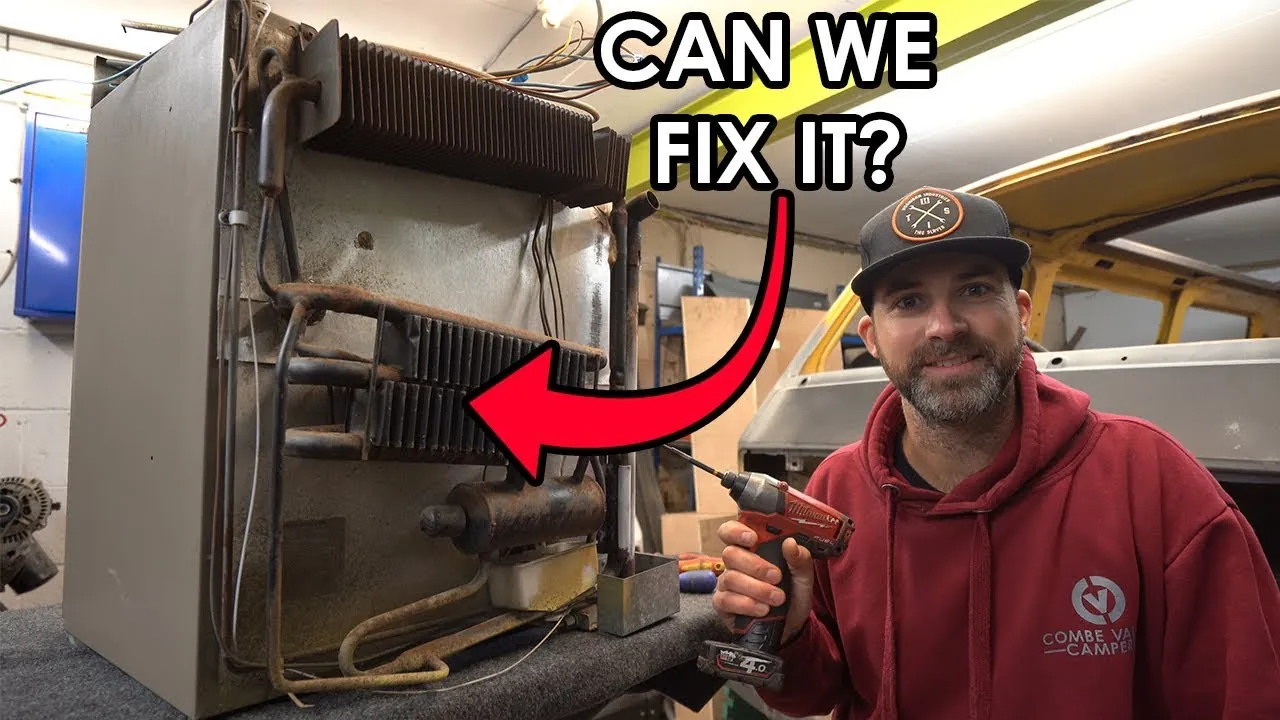
The cooling unit is the heart of the fridge. If the back of the fridge, specifically the condenser coils, becomes extremely hot but the inside remains at room temperature, the cooling unit may be blocked by crystallized chemical deposits. This is a catastrophic cooling failure that usually requires replacing the entire cooling unit or the fridge itself. Check the coils for any signs of yellow powder, which indicates a leak of the ammonia-based refrigerant.
Checking Fuses and Circuit Boards
Modern Dometic units rely on a control board to manage the switching between power sources. If your fridge is completely dead—meaning no interior lights and no display—check the main control board for a blown fuse. You’ll typically find a glass or blade-style fuse on the board itself. A common electrical fault indicator is a burnt or blackened spot on the circuit board, which suggests the board has suffered a short circuit and needs to be replaced.
Common Propane Ignition Problems
If your fridge is set to “Auto” or “Gas” mode and you hear the igniter clicking but it never lights, the issue is usually related to the gas supply. Ensure your propane tanks are open and that you have purged the air from the lines by lighting a stove burner first.
If the stove lights but the fridge does not, the flame sensor may be dirty. This sensor detects the heat of the flame and tells the control board to stop sparking; if it’s coated in soot, it can’t detect the flame and will shut off the gas supply for safety.
Managing Airflow and Ventilation
Absorption fridges need to vent heat away from the back of the unit. If the outside temperatures are extremely high, the fridge may struggle to maintain a cold temperature. Adding a small 12V circulation fan inside the exterior compartment can significantly improve performance. Ensure that the refrigerator roof vent isn’t blocked by debris or a bird’s nest, as proper chimney-effect airflow is essential for the ammonia cycle to function correctly.
When to Call a Pro
While DIY troubleshooting is effective for basic electrical and cleaning tasks, some issues are best left to licensed technicians. If you suspect an ammonia leak, evacuate the area immediately, as the gas can be toxic. Additionally, if the cooling unit coils require welding or recharging, these tasks involve specialized equipment and hazardous materials. Don’t attempt to repair the sealed cooling unit yourself, as it’s pressurized and dangerous to handle without proper training.
Dealing With Moisture Buildup
Excessive moisture inside the fridge can lead to frost buildup, which acts as an insulator and prevents proper cooling. Check the door seals to ensure they’re airtight; you can test this by closing the door on a piece of paper.
If you can pull the paper out with no resistance, your door gasket is likely worn out and needs to be replaced. Also, ensure the drip tray inside the fridge is properly positioned to catch condensation and that the drain tube isn’t clogged.
Maintaining the Interior Temperature
To help your fridge maintain a consistent temperature, avoid overloading it with warm food, which forces the unit to work harder to remove the heat. Use a small, battery-operated fridge circulation fan inside the main compartment to move air around, which helps prevent uneven cooling. Keep the door closed as much as possible, as every time you open it, the cold air escapes and the fridge must cycle to lower the temperature again.
Frequently Asked Questions
Why does my fridge work on gas but not electricity?
How do I reset my Dometic fridge?
Most Dometic models don’t have a dedicated reset button. You can often perform a hard reset by turning the fridge off, disconnecting the 12V DC power supply—usually by pulling a fuse or disconnecting the battery—and waiting for about five minutes. This clears the memory of the control board and forces it to perform a new diagnostic cycle upon reconnection.
Can I leave my RV fridge on while driving?
What is the yellow residue on my cooling unit?
A yellow, powdery residue on the back of your fridge is a major warning sign. It indicates a leak in the cooling unit, where the ammonia-based refrigerant has escaped and crystallized. This means the cooling unit is compromised and can’t be repaired. In this situation, the fridge will no longer cool, and you’ll need to replace either the cooling unit or the entire refrigerator.
How long does it take for a fridge to cool down?
These fridges aren’t like residential units and can take a long time to reach operating temperature. It’s common for an empty fridge to take anywhere from 12 to 24 hours to reach a safe temperature for food storage. To speed up the process, you can place pre-chilled items or frozen jugs of water inside the fridge to help lower the internal temperature more quickly.
Conclusion
The most effective next step is to locate your specific Dometic model number, which is typically found on a sticker inside the main fridge compartment. Once you have that, search for the service manual corresponding to your exact unit. Use the manual to identify the specific diagnostic codes for your control board, as these codes will tell you exactly which component is failing without needing to guess.