
If your clothes are still damp because the machine refuses to turn on, you can perform basic dryer troubleshooting won’t start steps by checking the power supply, the door latch, and the thermal fuse. Most of the time, the issue is simply that the door isn’t fully closed or the circuit breaker has tripped. Before you call a pro, ensure the unit is plugged in firmly and that your home’s electrical panel shows no flipped switches for the laundry area.
Why your dryer won’t start

The most common reason a dryer fails to engage is a simple lack of power or a safety interlock that’s triggered to prevent damage. Dryers require a significant amount of electricity, often pulling from a dedicated 240-volt circuit. If your home has had a power surge or if the circuit is overloaded, the breaker in your service panel will trip to protect your wiring. Always check the breaker box first, as it’s a common point of failure for high-draw appliances.
Another frequent cause is the door switch. Modern dryers are designed with a safety sensor that detects when the door is latched. If the latch is broken, loose, or blocked by lint, the machine assumes the door is open and won’t allow the motor to start. You can often see if the switch is functioning by pressing it manually while the door is open to see if the interior light goes out or if you hear a faint click.
Finally, internal thermal fuses are a critical safety component. This is a permanent safety measure; once this fuse blows, it must be replaced to restore function.
Check the power and circuit breaker
If the dryer has no lights and makes no sound when you press start, the unit is likely not receiving electricity. Start by checking the wall outlet to ensure the plug hasn’t wiggled loose over time. If the plug is secure, head to your home’s electrical breaker panel to look for a switch that has moved to the “off” or “middle” position.
If you find a tripped breaker, flip it all the way to “off” and then firmly back to “on.” If it trips again immediately, don’t force it to stay on, as this indicates a short circuit that needs a professional electrician.
It’s worth noting that some electric dryers use two breakers tied together; if only one side of the feed is working, the drum light may turn on, but the heating element or motor will fail to engage. If you aren’t comfortable working with your home electrical panel, call a licensed electrician immediately.
Inspect the door and start switch
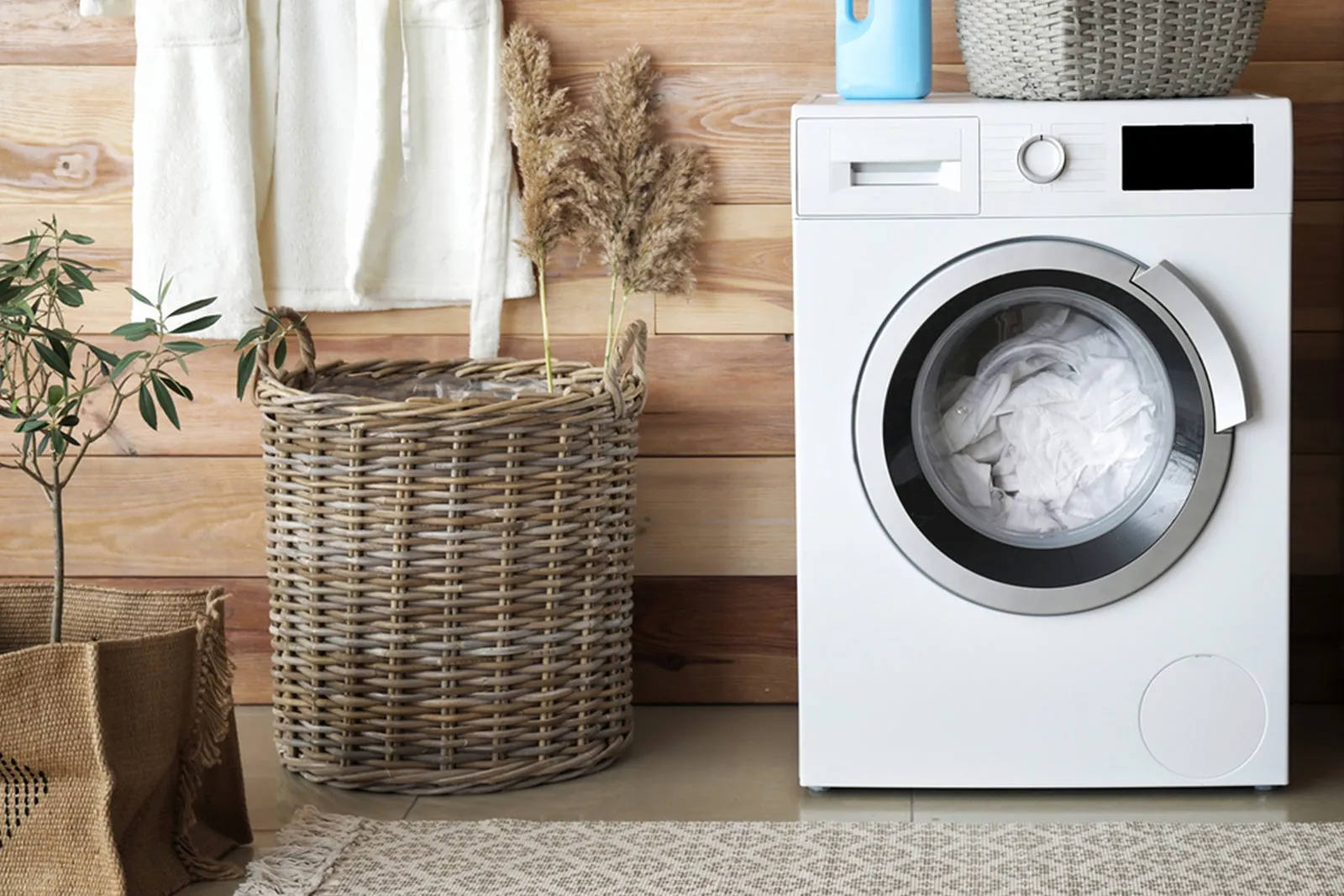
If the dryer has power but doesn’t respond, the door interlock is the most likely culprit. Inspect the area around the door frame for any debris or thick lint buildup that might prevent the door from pressing the switch fully closed. If the door feels loose or does not “click” when you shut it, the latch mechanism may be worn out.
A simple test confirms the switch: press the interlock plunger manually while the door is open. If the dryer drum light turns off or the machine attempts to start, the switch is functional, and the issue is likely a misaligned door strike. If nothing happens, the switch has failed electrically.
You should also check the start button itself for physical damage or sticking. On some models, the start button is part of a timer knob that must be pulled out or turned to a specific position before it engages. If the button feels mushy or doesn’t spring back, it may have a broken internal spring.
Many users mistake a blown thermal fuse for a bad start switch. If the dryer has no lights or sounds at all, check the fuse behind the back panel first. If the dryer still fails to start after clearing the door area, the issue is likely an internal component like a start relay or the motor itself, which requires a service technician to diagnose safely.
Evaluate the thermal fuse and internal parts
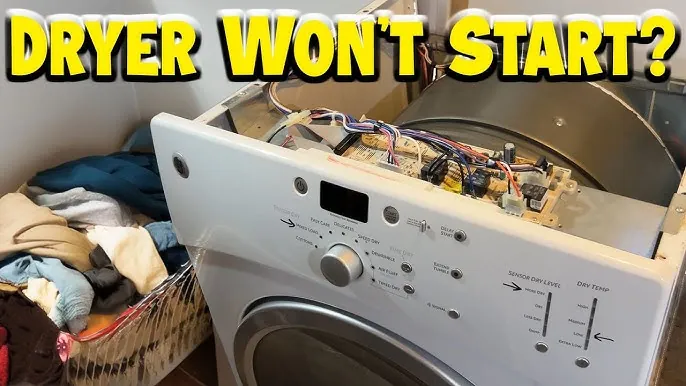
When the dryer has power but the motor is completely silent, a blown thermal fuse is the most common internal failure. This fuse is a small safety device designed to break the circuit if the dryer gets too hot, which often happens when the exhaust vent is clogged with lint. Replacing this part requires specialized knowledge of the unit’s internal wiring and access to the internal housing.
If you suspect this is the problem, you can replace the fuse yourself or hire a professional. Attempting to open the dryer housing exposes you to high-voltage components, including capacitors that can store a lethal electric charge even when the machine is unplugged.
A professional will test the fuse for continuity and, more importantly, clean your venting system to prevent the new fuse from blowing again immediately. If the repair cost exceeds 50% of the price of a new machine, replacing the unit is often the smarter financial choice.
What not to do
Never bypass the door switch or thermal fuse with a wire or metal clip. This removes essential fire safety protections and creates a major shock hazard. If a dryer fails to start, replace the faulty component rather than attempting a temporary bridge.
Capacitors can hold a lethal charge even after you unplug the cord. You can confirm whether the part has failed using a multimeter.
Avoid using extension cords for your dryer. These appliances require high current, and standard household cords will melt or ignite under the load. If your outlet is too far from the machine, you must install a new, dedicated circuit.
Never force a tripped circuit breaker to stay in the “on” position by taping it down. This ignores a serious electrical warning sign. If the breaker trips again immediately after a reset, you have a short circuit that requires professional repair.
Don’t spray water or cleaning solutions into the control panel. This causes shorts that destroy expensive logic boards. Use a dry, static-free cloth instead.
How to stop it happening again
Proper maintenance prevents the most common starting issues and extends the life of your appliance. The most important step is keeping the airflow clear, as a restricted vent is the primary reason for thermal fuse failure.
| If you’re doing this | Do this instead | Why |
|---|---|---|
| Cleaning lint screen once a week | Clean the lint screen before every load | Prevents airflow restriction and overheating |
| Using flexible plastic ducting | Switch to rigid or semi-rigid metal ducting | Plastic vents trap lint and are a fire risk |
| Letting the dryer run while away | Only run the dryer when you’re home | Allows you to catch signs of trouble early |
| Ignoring long dry times | Clean your exterior vent hood once a year | Removes blockages that cause fuse failures |
Most owners mistake long dry times for a failing heating element. In reality, if a load takes longer than 60 minutes to dry, your exhaust duct is likely clogged. Ignoring this warning sign forces the motor to work harder, which eventually burns out the internal bearings.
To check your airflow, disconnect the vent from the back of the machine. Run the dryer on a fluff cycle for five minutes. If the air coming out of the back is significantly stronger than the air exiting your exterior wall cap, the blockage is in your home’s ductwork. You must clear this path immediately to avoid a fire hazard.
Frequently asked questions
Can I fix a dryer that won’t start myself?
Yes, you can safely perform basic troubleshooting by checking the power cord, the circuit breaker, and the door latch. If these external checks don’t solve the problem, the issue is likely an internal component like a thermal fuse or motor. Any repair that requires opening the dryer cabinet should be performed by a professional technician to avoid the risk of severe electric shock or fire.
How long does a dryer usually last?
A well-maintained dryer typically lasts between 10 and 13 years. Consistent maintenance, such as cleaning the lint filter and exhaust venting, helps reach the higher end of that range. If the unit requires expensive repairs after eight years, replacing it’s often more cost-effective.
Is it safe to use a dryer with a broken door switch?
No, it’s never safe to operate a dryer with a broken door switch or to bypass the safety sensor. The switch is a critical safety feature that ensures the drum stops spinning if the door is opened. Bypassing it could lead to serious injury.
What happens if I ignore a tripped circuit breaker?
If you ignore a tripped breaker and continue to reset it without finding the cause, you risk damaging your home’s electrical wiring. A breaker trips because the circuit is drawing too much power or there’s a short circuit somewhere in the appliance. Continuing to use an appliance that causes a breaker to trip can result in melted wires inside your walls or a house fire.
How do I know if my thermal fuse is blown?
You can’t visually inspect a thermal fuse to see if it’s blown, as the damage is usually internal. You can confirm whether the part has failed using a multimeter. If your dryer has power but the motor won’t engage despite the door being latched, a blown thermal fuse is the most likely cause.
Why does my dryer stop after a few minutes?
A dryer that stops after a few minutes is often struggling with poor airflow or a failing motor. If the exhaust vent is clogged, the dryer will overheat and shut down to prevent a fire. If the motor is failing, it may cut out once it reaches a certain temperature.
Regular cleaning and simple checks will keep your dryer running smoothly for many years. Always prioritize safety by keeping your vents clear and calling a technician for any internal electrical issues.
Conclusion
If these simple checks don’t get the drum spinning again, it’s time to reach out to a professional repair technician. They’ll have the right tools to safely inspect the internal wiring or motor. Don’t hesitate to ask for a quote first, as you’ll want to make sure the repair fits your budget.