You can restore hot water by resetting the high-limit switch on your unit, as the most common issue for a dual element water heater troubleshooting process is a tripped safety breaker. This usually happens when the internal temperature gets too high, causing the thermostat to cut power to the heating elements. While you can check the reset button yourself, keep in mind that internal electrical repairs are for trained technicians only. If the water remains cold after a reset, you should avoid opening the tank and contact a professional.
Troubleshooting cold dual element water heaters
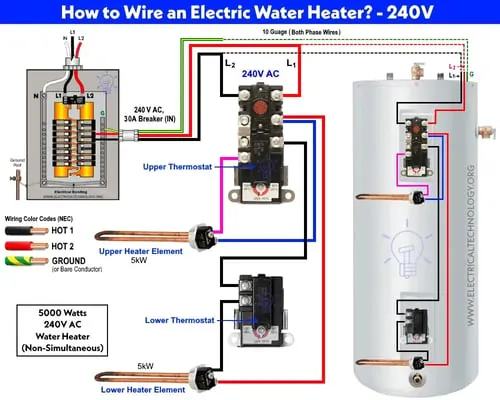
The most frequent cause for a loss of hot water is a tripped thermal cut-off switch. This safety device sits on the upper thermostat and shuts down the system if the water temperature exceeds safe limits. It’s designed to prevent overheating, which can occur due to a faulty thermostat or a buildup of sediment at the bottom of the tank.
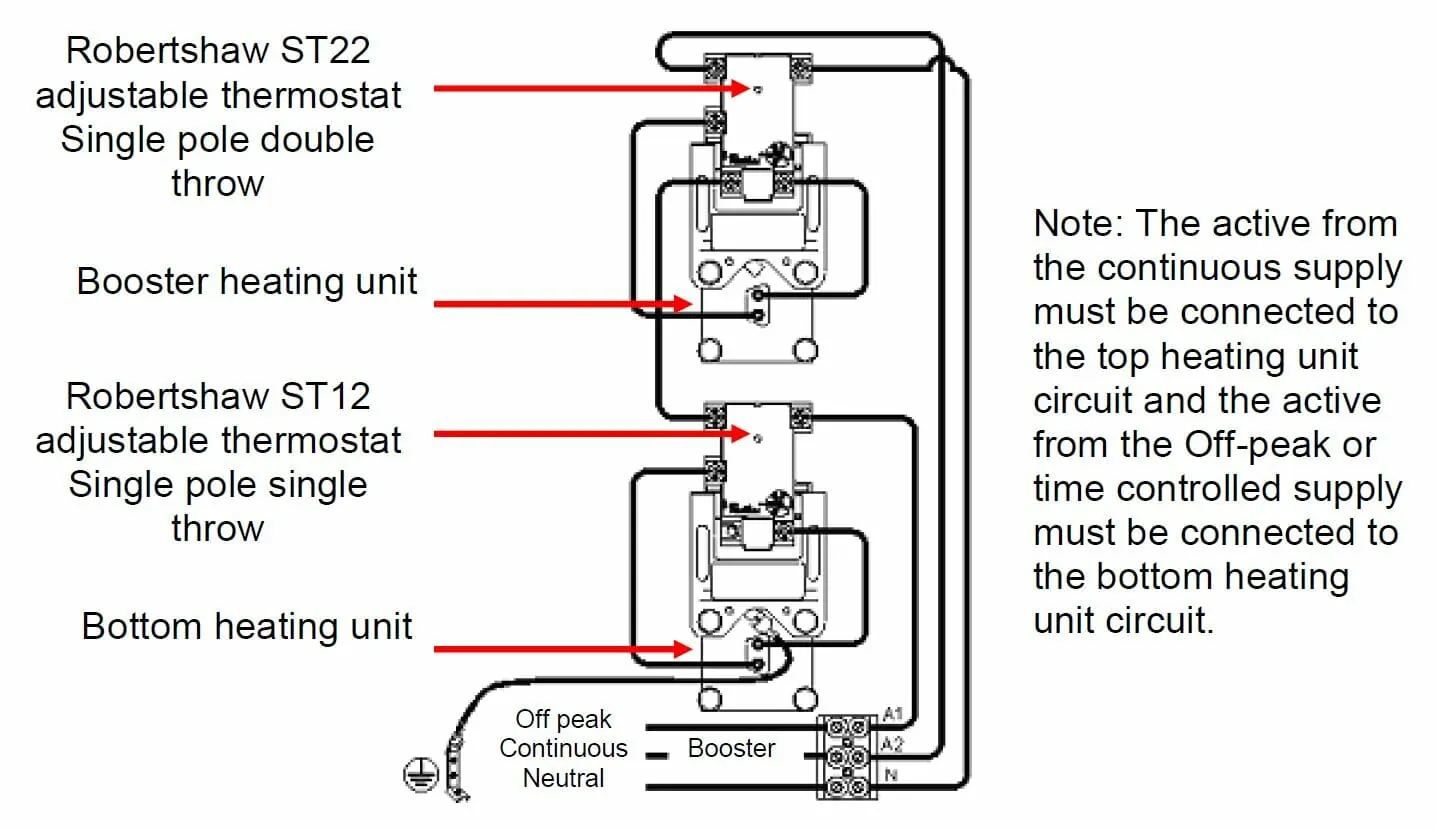
Another common reason is a failed heating element. A dual element system uses one element at the top and another at the bottom to maintain heat. If one fails, you might still get some hot water, but it will run out much faster than usual. If both fail, the water will stay cold regardless of how long the unit runs.
Finally, the electrical supply itself might be the issue. A tripped circuit breaker in your home’s main panel will stop all power to the heater. If you notice the breaker is off, flip it back to the “on” position once. If it trips again immediately, you have a short circuit that requires a professional to fix.
Never attempt to bypass or replace internal electrical components yourself, as water heater safety guidelines from the Consumer Product Safety Commission highlight the dangers of handling high-voltage equipment. Internal wiring can hold a lethal charge even after the power is turned off at the breaker.
Resetting the thermal switch
If you have no hot water, the first step is to locate the reset button on the upper thermostat. This is typically found behind the removable access panel on the side of the tank. Before touching anything, turn off the power to the heater at your home’s main electrical breaker panel to ensure your safety.
Remove the access cover and the insulation to reveal the thermostat. Look for a small red button located between the wires. Press this button firmly until you hear a click. If it clicks, it means the switch was indeed tripped. Replace the insulation and the cover, then turn the power back on at the breaker.
This fix is intended for users who are comfortable working around basic home appliances. If you find any signs of scorched wires, melted plastic, or a smell of burning, stop immediately. These are signs of a deeper electrical failure that could lead to a fire.
In such cases, keep the power off and call a licensed plumber or electrician. Don’t try to bypass the switch or force it to stay in place, as this overrides a critical safety feature of the tank.
Inspecting the power supply
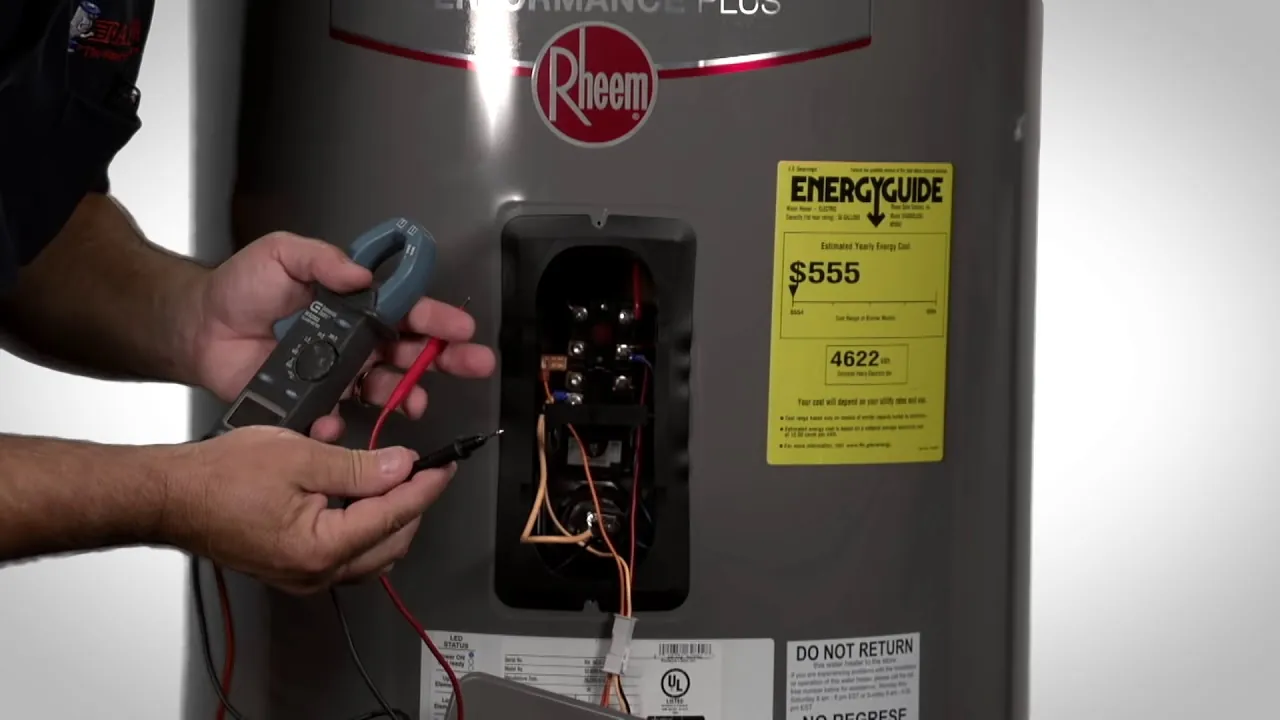
If resetting the switch doesn’t solve the problem, verify that the unit is receiving power. Check your home’s circuit breaker box to see if the switch labeled “water heater” has moved to the center or “off” position. If it has, flip it all the way to “off” and then back to “on.”
If the breaker trips again right away, there’s likely a fault in the heater’s internal wiring or a heating element has failed. This is a clear sign that you should stop your efforts. A technician must confirm whether the part has failed.
This step is for anyone who has access to their home breaker box and can safely identify the correct circuit. It isn’t for anyone who feels unsure about working with electrical panels. If you aren’t familiar with your breaker box, it’s safer to hire a professional to perform this check. A professional will have the proper tools to identify if the issue is a faulty breaker, a bad thermostat, or a failed heating element.
Calling a professional technician
Sometimes, the issue is beyond a simple reset. If you hear hissing or popping sounds from inside the tank, this often indicates heavy sediment buildup on the heating elements. This sediment prevents the elements from transferring heat to the water, which causes them to work harder and fail sooner.
You should also call a professional if you have reset the thermal switch multiple times, but it keeps tripping. This indicates that the thermostat itself is broken or that there’s a dangerous wiring issue inside the tank. A professional will be able to test the resistance of the elements and the accuracy of the thermostat. They can also flush the tank to remove sediment, which can extend the life of your unit.
If you’re unsure, use this simple decision rule: if the breaker trips immediately after a reset, you have a short circuit that requires an electrician. If the water remains cold despite the reset, the fault likely lies with the heating element or the thermostat.
Many homeowners make the mistake of replacing the entire unit when only a single sensor has failed. This is an expensive error compared to the cost of a simple repair. Hiring a pro ensures the job is done according to local electrical codes and protects your home warranty.
What not to do during repairs
Don’t attempt to touch internal wiring or heating elements while the power is on. This creates an immediate risk of lethal electrical shock.
Never try to bypass the thermal cut-off switch with tape or wire. This removes the only safety feature preventing the tank from overheating. If you bypass this, the tank can reach temperatures high enough to melt plastic supply lines or cause a catastrophic pressure buildup.
Don’t drain the tank while the power is connected. If the elements turn on while exposed to air, they will burn out in seconds. Always flip the dedicated circuit breaker before opening any drain valves.
Maintaining your water heater performance
Consistent maintenance prevents most issues, though you must adjust your schedule based on your local water hardness. If you live in an area with very hard water, you should flush your tank every 6 to 12 months to stop mineral buildup. You can test your water hardness with a simple kit from any hardware store. If your test shows over 7 grains per gallon, stick to the six-month interval to avoid element failure.
| If you’re doing this | Do this instead | Why |
|---|---|---|
| Ignoring strange noises | Flush the tank annually | Sediment buildup causes overheating |
| Turning the heat to max | Set to 120 degrees F | High heat trips the safety switch |
| Leaving the power on | Turn off at the breaker | Prevents shock during inspection |
| Ignoring a leaking valve | Replace the T&P valve | Leaks indicate a dangerous pressure build-up |
Many homeowners make the mistake of ignoring a slow drip from the temperature and pressure relief valve. This isn’t just a minor annoyance; it’s a sign that the internal pressure has exceeded the valve’s safety rating. If you see water pooling, replace the valve immediately. Failing to act risks a catastrophic tank rupture. Always verify the valve rating matches your tank’s specific pressure capacity before installation.
Frequently asked questions
Can I replace a heating element myself?
Replacing a heating element isn’t a task for a homeowner because it involves draining the tank and handling high-voltage connections. These tasks carry risks of fire, flooding, or life-threatening shock. You must contact a professional plumber or electrician to ensure the work is performed safely and correctly.
How long should it take for the water to get hot?
A standard 40-gallon tank typically takes 30 to 60 minutes to reach a usable temperature after a reset. This assumes the tank starts cold and the thermostat is set to 120 degrees Fahrenheit. If the water remains cold after two hours, the components likely require professional replacement.
Is it safe to keep using the heater if it makes a popping sound?
You should turn off the power to the unit immediately if you hear loud popping or banging sounds. These noises indicate steam bubbles forming under sediment, which stresses the tank walls. You need a professional to flush the tank and inspect the interior for damage.
Why does my hot water run out so quickly?
Your hot water runs out quickly if the lower heating element has failed, leaving only the top half of the tank heated. The bottom element is responsible for heating the bulk of the water in a dual system. A professional can confirm if the element has failed.
What happens if I ignore a tripped reset button?
Ignoring a tripped reset button leaves you without hot water and ignores the underlying cause of the trip. If the button tripped due to a faulty thermostat or sediment, the heater remains broken until serviced. You should treat a tripped button as a signal that the system requires a professional inspection.
Conclusion
If your water stays chilly after checking the reset button, don’t hesitate to call a licensed plumber. They’ll safely inspect the internal wiring or faulty elements for you. It’s better to be cautious with electrical systems, so let a pro handle the complex work while you stay comfortable and safe.
Related guides