
To fix uneven hair removal or skin irritation, you should start flawless legs troubleshooting by checking the blade sharpness and the angle of your razor. Most issues occur because the blade is dull or you’re applying too much pressure, which causes the razor to drag against the skin instead of gliding. If you have recently changed your routine, consider if your skin needs more hydration or if the product you’re using has expired. This simple process helps you identify whether the equipment is at fault or your technique needs a small adjustment.
Troubleshooting why your legs lose their flawlessness
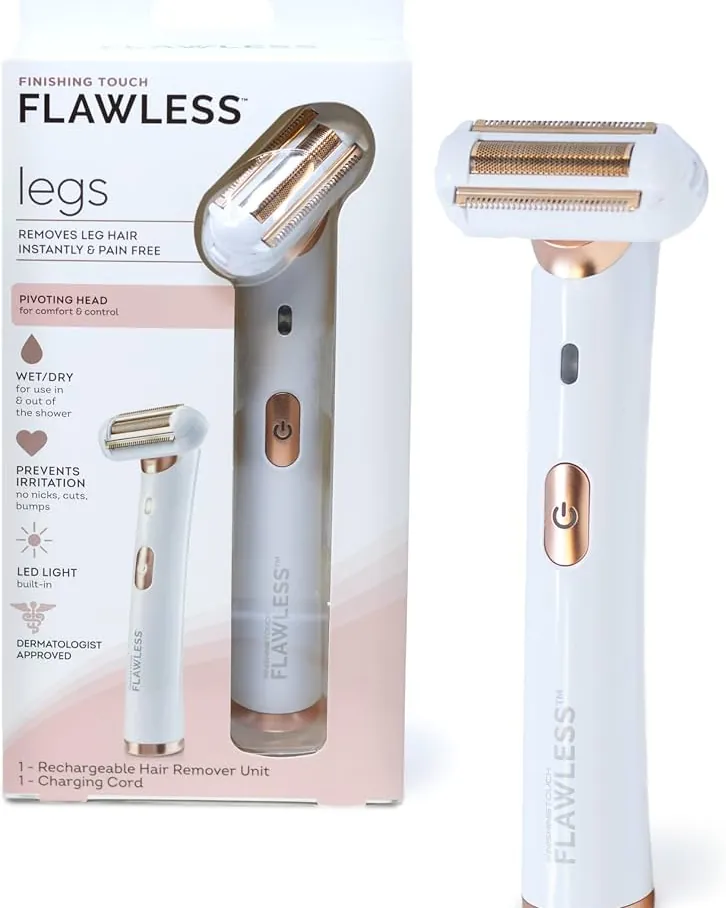
Skin issues during hair removal often stem from a few common physical factors. The most frequent cause is a dull blade, which pulls at the hair follicles instead of cutting them cleanly. This action creates micro-tears in the skin, leading to redness, bumps, and an uneven finish. If you notice persistent irritation, the metal edges of the blade may have become blunt or developed microscopic chips that snag on the surface of your legs.
Another major factor is the lack of proper lubrication during the shave. When the razor moves across dry or under-lubricated skin, it encounters high friction. This forced contact causes the blade to skip, leading to missed patches of hair and inflamed skin.
If you’re using a soap that doesn’t provide enough slip, the razor can’t maintain a consistent angle. Proper skin care practices as recommended by the American Academy of Dermatology emphasize that keeping the skin moist is essential for a smooth glide.
Finally, the angle of the razor plays a critical role in how close the cut is. If you hold the handle at a steep angle, you’re likely scraping the skin rather than cutting the hair. If the angle is too shallow, the blade won’t make contact with the hair at all. You must find the balance where the blade head sits flush against the skin without needing extra pressure to stay in contact.
Replace Your Razor Blades Regularly
This fix is for anyone experiencing consistent tugging or visible skin redness after shaving. If your razor blade has been used more than five to seven times, it’s likely too dull to provide a clean cut. You should replace the cartridge immediately if you notice the lubricating strip has faded or if the blades show signs of mineral buildup or rust.
To perform this fix, discard your old blade safely and attach a fresh one. When you begin your next session, apply a thin layer of shaving gel or cream to ensure the new blade moves easily. Avoid pressing down hard; let the weight of the razor handle do the work. If the irritation stops after you switch to a new blade, you know the previous one had reached the end of its life.
This fix isn’t for people with severe, infected, or open skin wounds. If you have deep cuts or signs of a bacterial infection, stop shaving and consult a medical professional. Using a sharp blade on broken skin will only worsen the injury and delay healing. If you’re unsure about the condition of your skin, it’s better to wait until any redness subsides completely before trying a new blade.
Adjust Your Shaving Angle and Pressure
This method works best when your razor is sharp but you’re still missing patches of hair or ending up with a patchy finish. The goal is to modify how you hold the handle to ensure the blade head stays in constant, gentle contact with your skin. If you notice you’re getting nicks, you’re likely holding the handle too perpendicular to your leg.
Start by holding the razor at a 30-degree angle to your skin. If you’re using a pivoting head, don’t push down; instead, let the pivot follow the natural curve of your calf or knee. If you’re using a fixed head, you’ll need to manually adjust your wrist as you move from the ankle upward. You’ll know this is working when the hair is removed in a single, smooth stroke without any pulling sensation.
This approach is a trade-off between speed and precision. While it takes more focus to maintain the correct angle throughout the entire leg, it significantly reduces the number of times you need to pass the blade over the same spot. Repeating passes over the same area is the quickest way to cause razor burn and irritation. If you find that your grip is slipping, dry your hand thoroughly before continuing to maintain better control over the razor’s movement.
Use Better Lubrication for Glide
This fix is intended for those who experience “stuttering” or skipping of the razor across the skin. This often happens because the lather you’re using is too thin or dries out too quickly. If your skin feels tight or dry immediately after the shave, you need a product with more moisturizing ingredients like shea butter or glycerin.
Apply a generous amount of shaving cream or a thick moisturizing soap to your legs. The layer should be opaque so you can clearly see where you have already shaved. If the product dries out while you’re working, add a small amount of warm water to your skin to restore the lubrication. You should see a noticeable difference in how the razor glides compared to using plain water or standard hand soap.
This fix isn’t for those who have specific allergies to fragrances or dyes found in common shaving products. If you notice a burning or itching sensation immediately after applying a new cream, wash it off with cool water and switch to a fragrance-free, sensitive-skin formula. Always check the ingredient label if you have known skin sensitivities. If you’re unsure which ingredients might trigger your skin, consult a dermatologist before trying new topical products.
Common Mistakes That Cause Irritation
- Shaving against the grain of hair growth, which forces the blade to lift the hair and cut it too short, causing ingrown hairs.
- Using hot water instead of warm water, which can strip away natural oils and leave the skin vulnerable to friction.
- Storing the razor in a humid shower environment, which encourages bacterial growth on the blades and leads to premature rusting.
- Applying heavy pressure to compensate for a dull blade, which causes the razor to remove layers of skin along with the hair.
- Skipping the pre-shave hydration step, which means the hair remains stiff and harder to cut cleanly.
Proper Maintenance for Smooth Results
To prevent future issues, you must align your technique with the needs of your skin type. If you’re currently doing what is on the left, try the change on the right to see if your experience improves.
| If you’re doing this | Do this instead | Why |
|---|---|---|
| Shaving dry skin | Wet skin for 3 minutes | Warm water softens hair |
| Using old, dull blades | Replace every 5-7 uses | Sharp blades reduce drag |
| Pressing hard on skin | Use light, steady strokes | Less pressure prevents nicks |
| Shaving against grain | Shave with the grain | Prevents pulling and bumps |
| Rinsing with cold water | Rinse with warm water | Softens hair and removes debris |
Frequently asked questions
How often should I change my razor blade?
Replace your razor blade every 5 to 7 uses to ensure a smooth shave. Dull blades tug at hair, which is the primary cause of razor burn and skin irritation. Replace your blade more frequently if your hair is very coarse.
Why do I get red bumps after shaving my legs?
Red bumps occur because of dull blades, excessive pressure, or shaving against the grain. These factors cause uneven cuts that lead to inflammation as hair regrows. Always use a sharp blade, apply gentle pressure, and shave in the direction of hair growth.
Is it safe to shave over existing bumps?
Don’t shave over existing bumps, as you may cut the irritation and risk infection. Wait until your skin has completely healed before shaving again to avoid further aggravation. Consult a doctor if the bumps persist after a few days of rest.
How long should I soak my legs before shaving?
Soak your legs in warm water for at least 3 minutes before shaving. This softens hair follicles and allows shafts to absorb moisture, making them easier to cut. Shaving without this preparation increases the likelihood of nicks and uneven results.
What happens if I shave with cold water?
Shaving with cold water may make hair stiffer and less pliable, making it harder to cut smoothly. Warm water helps soften the hair, making it easier to cut. Use lukewarm water if your skin is sensitive to heat, but avoid cold water.
How do I know if my razor is too dull?
Your razor is too dull if it tugs or pulls on your skin instead of gliding smoothly. A sharp blade should remove hair effortlessly without requiring multiple passes over the same spot. Discard the blade immediately if you notice any signs of rust on the metal.
Conclusion
If you continue to experience discomfort despite following these steps, you may have a skin sensitivity that requires a different method of hair removal. If the irritation is accompanied by swelling, spreading redness, or pain that lasts for more than a day, you should reach out to a dermatologist for a professional evaluation.
Related guides