The quickest way to perform flotec water pump troubleshooting is to verify the power supply and ensure the pump has a clear path to draw water. If the pump runs but doesn’t move water, the most common cause is an air lock or a clogged intake screen. You should first check that the circuit breaker hasn’t tripped and that the unit is receiving electricity from the outlet. If the motor hums but stays silent, it often means the impeller is stuck by debris.
Troubleshooting common Flotec pump issues
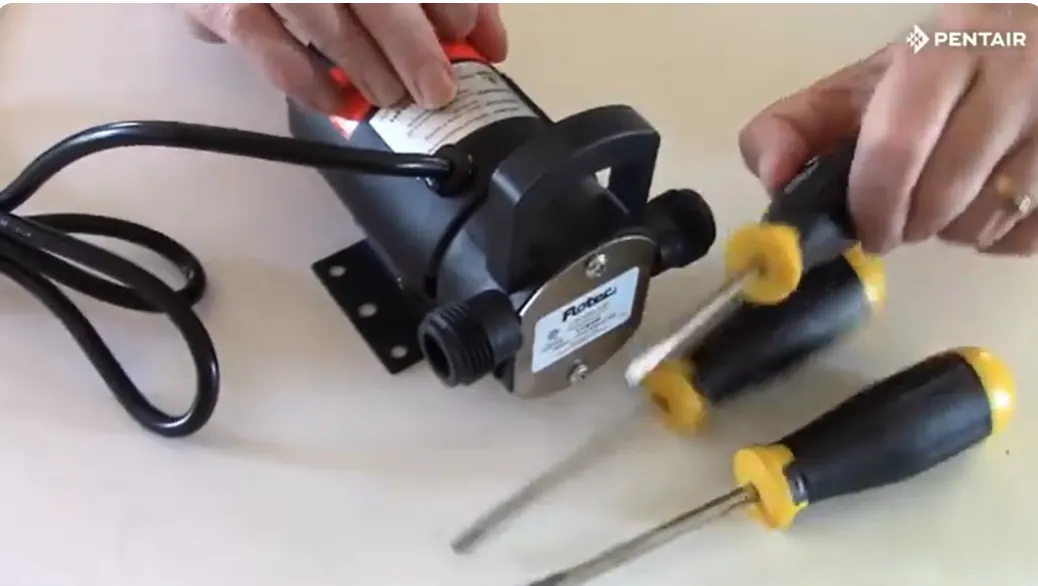
Most pump issues stem from simple environmental factors rather than internal mechanical failure. If your pump is a submersible model, the most frequent cause of failure is a blocked intake screen. Debris like leaves, sand, or aquatic plants can easily build up against the mesh. Once this happens, the pump can’t draw water, which causes the motor to run dry and overheat.
Another common issue is an air lock within the pump housing. This often happens if the pump was recently moved or if the water level in your basin dropped too low, allowing air to enter the intake pipe. When air is trapped inside, the pump spins but can’t create the suction needed to move liquid. This is common in shallow wells or small ponds where the water level fluctuates throughout the day.
Finally, electrical issues often occur because of poor connections or moisture in the power cord. If the pump is plugged into an outdoor outlet, ensure the ground fault circuit interrupter is functioning correctly. A GFCI will cut power if it detects a small leakage of current to the ground, which is a standard safety feature for all water-based equipment. If you’re uncertain about your electrical setup, consult a licensed electrician rather than attempting to bypass safety switches yourself.
Clear the intake and reset the pump
This fix is for users who hear the motor running but see no water movement. If the pump is a submersible unit, you must first disconnect the power to ensure your safety. Lift the pump from the water and inspect the bottom grate or intake screen for any buildup of sludge, mud, or plant matter. Use a soft brush or a gentle stream of water from a garden hose to clear these openings.
Once the intake is clear, you need to address the potential air lock. If your model has a bleed screw or a priming plug, follow the manufacturer’s manual to release trapped air. If it’s a self-priming pump, you may need to fill the pump housing with water before restarting it. This provides the necessary fluid to create a vacuum seal.
If you have cleared the intake and primed the housing but the pump still doesn’t move water, the impeller might be damaged. Check the manual for your specific model to see if the impeller is accessible for cleaning. If you require specialized tools to reach it or if the housing is sealed, don’t force it open. Attempting to repair a sealed motor housing can void your warranty and create a serious shock hazard.
Check the power and electrical connections
This fix is for pumps that make no sound at all when you turn them on. First, verify that the power outlet itself is working by plugging in a different device, such as a lamp. If the lamp doesn’t turn on, the problem is with your home’s electrical circuit rather than the pump. Check your main breaker panel to see if a switch has moved to the “off” or “tripped” position.
If the outlet has power, inspect the pump’s power cord for any visible signs of damage, such as cracks, fraying, or chew marks from rodents. If the cord is damaged, the pump is no longer safe to use in a wet environment.
Don’t attempt to patch a damaged power cord with electrical tape, as this won’t prevent moisture from reaching the wires. A single drop of water entering a compromised cord can cause a short circuit or pose a lethal shock risk.
If the cord looks healthy and the outlet has power, the internal thermal overload protector might have tripped. This happens when the motor gets too hot during heavy use or due to debris blocking the impeller. Leave the pump unplugged for at least 30 minutes to allow the motor to cool down completely.
Inspect the plumbing and discharge lines
This fix is for systems that start up but seem to have very low flow or pressure. Check the discharge pipe that carries water away from the pump to ensure there are no kinks or sharp bends in the hose. If you’re using a flexible hose, ensure that no heavy objects are sitting on top of it, as this can restrict the water flow significantly.
Next, inspect the check valve if your system has one. A check valve prevents water from flowing back into the pump once it shuts off. If this valve becomes stuck in the closed position, the water will have nowhere to go. You can often tell if the valve is stuck by tapping it gently or checking for debris trapped inside the valve seat.
If you find that the discharge line is clear and the check valve is moving freely, look at the elevation. Every pump has a maximum vertical lift, often called the “head height,” which limits how high it can push water.
If you have added more pipe or changed the height of the discharge, the pump may be working beyond its design capacity. Check your owner’s manual for the specific head height limit for your model to see if your current setup is within the recommended range.
Mistakes that cause further damage
Running the pump dry: Operating the unit without water causes the internal seals to melt, which permanently ruins the motor. If you hear a high-pitched whine, cut power immediately.
Using extension cords: Standard indoor cords lack the gauge required for high-draw motors. Using one creates a voltage drop that forces the motor to work harder, eventually burning out the windings. If you must use a cord, ensure it’s a heavy-duty, 12-gauge outdoor-rated cable no longer than 25 feet.
Forcing the housing open: Without the specific tools listed in your manual, you’ll likely crack the plastic casing and compromise the water-tight seal. This mistake leads to internal corrosion that voids your warranty.
Ignoring strange noises: Grinding or squealing indicates bearing failure. Continuing to run the pump will seize the motor, turning a simple bearing replacement into a total unit failure.
Keeping the system running smoothly
The best way to prevent future issues is to maintain a strict schedule for cleaning the pump and the surrounding area. If you’re currently leaving the pump sitting in mud, you should move it to a more stable base immediately.
| If you’re doing this | Do this instead | Why |
|---|---|---|
| Leaving pump in mud | Use a brick or stand | Keeps intake out of sediment |
| Ignoring low water levels | Add a float switch | Shuts off power before dry run |
| Using narrow hoses | Use recommended diameter | Prevents backpressure on motor |
| Leaving debris in basin | Clean every 3 months | Prevents clogging intake screen |
Many operators make the mistake of waiting for a noticeable drop in flow rate before inspecting the intake. By the time you notice a performance decline, the motor has likely already suffered internal heat stress.
Use this simple decision rule: if your basin water appears cloudy or contains organic matter, inspect the screen monthly. If the water remains clear, a quarterly check is sufficient. If you hear a rhythmic clicking sound, shut the system down instantly. This usually indicates debris is trapped in the impeller, and running it longer will strip the internal gears.
Frequently asked questions
How long does a water pump usually last?
Most residential water pumps last between 5 and 10 years, depending on usage frequency and water quality. High levels of sand or minerals accelerate internal wear significantly. Check your owner’s manual warranty section for specific lifespan estimates based on typical daily operation.
Is it safe to repair a pump myself?
It’s safe to perform basic external cleaning and troubleshooting, but you should never open the motor housing or electrical components. Any repair that involves reaching into the motor or altering the wiring carries a risk of electric shock or fire. If the problem is internal, you should contact a professional plumber or the manufacturer’s customer support line for guidance on authorized repair centers in your area.
How do I know if my pump is burned out?
A pump is likely burned out if it makes no sound when plugged into a known working outlet or if it emits a burning plastic smell. If the motor hums loudly but the impeller doesn’t spin, the motor may be seized or the capacitor may have failed. If you have ruled out blockages and electrical supply issues, the internal components have likely reached the end of their functional life.
Why does my pump turn on and off rapidly?
This rapid cycling, often called “short cycling,” usually happens because of a faulty pressure switch or a leak in the discharge line. If the system loses pressure immediately after the pump shuts off, the switch thinks it needs to restart to maintain the target pressure. You should check all hose connections for small leaks and verify that the pressure switch settings match the requirements listed in your manual.
How much water should my pump move?
Your pump should move the volume of water specified by its “gallons per hour” rating at the recommended head height. Significantly lower flow usually indicates a blockage in the intake or a kinked discharge hose. Consult your manual’s performance chart to see how flow rate changes with vertical height.
Conclusion
If you have tried all the steps above and the pump still fails to operate, the issue is likely a mechanical failure of the motor or the internal seals. At this point, the cost of professional repair often exceeds the price of a new unit. You should look for the model number on your pump and contact the manufacturer to see if the unit is still covered under the original warranty period.
Related guides