You can usually fix a flowclear pool pump troubleshooting issue by checking for air leaks or debris in the filter cartridge. When the pump stops moving water, the most common cause is a clogged inlet or a loose hose connection that lets air into the system. If you see bubbles in your return jet, the pump is pulling air instead of water. Check these external connections first to restore flow without needing a professional technician.
Troubleshooting Flowclear pool pump flow issues
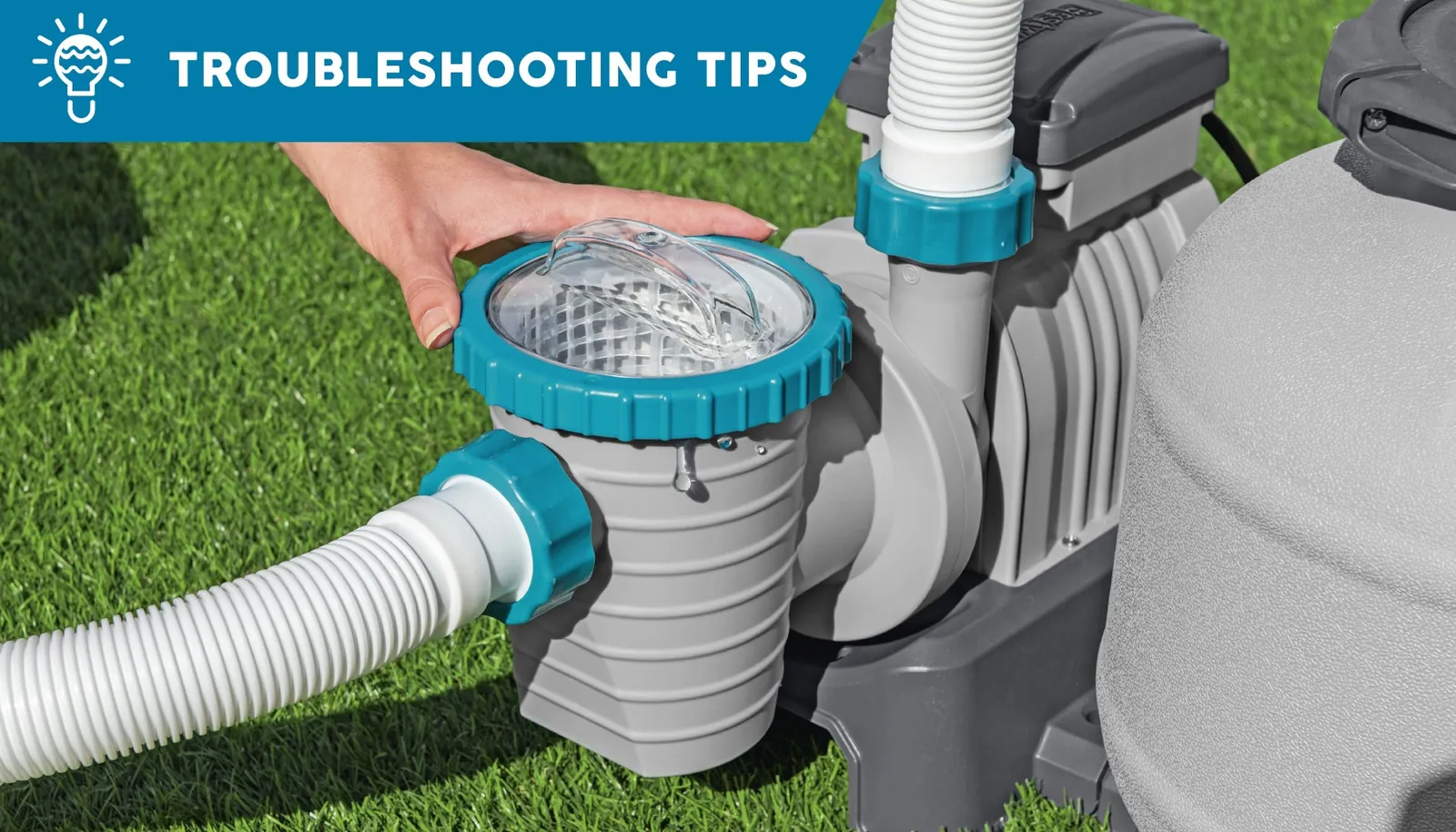
Most pump issues stem from three primary areas: restricted water intake, trapped air, or a dirty filter. When your pump runs but produces no pressure, it’s likely struggling to prime itself because of a blockage. If the water level in your pool drops below the skimmer line, the pump will pull air, which prevents the impeller from pushing water effectively.
Another frequent cause is a dirty or clogged filter cartridge. As the filter collects debris, the water flow slows down, which increases internal pressure and strains the motor. You should inspect the filter at least once a week during the swimming season. If the filter looks dark or feels heavy with sludge, it’s time to clean or replace it.
Finally, check the hose connections for any gaps. If a hose is loose or a rubber gasket is worn out, the pump will suck in air from the outside. This ruins the vacuum seal needed for the pump to move water. If your pump is making a loud grinding noise, stop it immediately, as running it dry can cause permanent damage to the motor seals.
Safety: Inside a mains-powered machine, the parts behind the outer cover can hold a dangerous electrical charge even after it has been unplugged — that’s why they sit behind a cover. Opening the housing, or testing or replacing anything behind it, is a job for a qualified technician, never a home repair.
Clean the filter cartridge
The filter cartridge is the heart of your pool system, and keeping it clear is the best way to maintain consistent pressure. If you notice the water flow weakening, turn off the power to the pump before doing anything else to ensure your personal safety. Never open the filter housing while the pump is running, as the internal pressure can cause the lid to pop off suddenly.
To clean the filter, unscrew the top housing and pull the cartridge out. Use a garden hose with a spray nozzle to wash away dirt from between the pleats. Don’t use a pressure washer, as high-pressure water can tear the fabric and make the filter useless. If the cartridge remains discolored or the pleats are flattened after washing, it’s time to install a new one.
After cleaning, inspect the O-ring under the filter lid. If it’s dry or cracked, apply a thin layer of silicone-based pool lubricant to help it create a tight seal. Once the cartridge is back in place, tighten the lid by hand. Don’t use tools to tighten the plastic collar, as this can crack the housing and lead to leaks.
Tighten all hose connections
If your pump is running but the flow is weak, air is likely entering through the hoses. Check every connection point between the pool wall and the pump, including the skimmer and the return jet. A loose hose clamp is the most common culprit, allowing air to leak into the system while the pump is trying to draw water.
If you find a loose clamp, tighten it until the hose is secure against the plastic fitting. If the hose itself has a crack or a hole, you must replace the entire hose section. Even a tiny hole can prevent the pump from creating the vacuum it needs. You can find specific instructions for your model in the Bestway owner support manuals to ensure you’re using the correct replacement parts for your specific pump size.
For those using flexible hoses, ensure they aren’t kinked or bent at sharp angles. A sharp bend restricts the flow of water significantly. If the hoses are old, they may become brittle and lose their shape, which prevents a proper seal. If you have tightened all clamps and the pump still struggles, check the drain valve at the bottom of the filter housing to make sure it’s closed tightly.
Inspect the impeller housing
If the pump is humming but not moving any water at all, the impeller might be jammed by debris. This happens when small leaves or twigs bypass the skimmer basket and get stuck in the pump’s spinning blades. You must turn off the power and unplug the unit before checking this area to prevent accidental activation.
If you can access the intake area, look inside the port for any blockage. If you see a piece of plastic or wood, use a pair of long-nosed pliers to gently pull it out. Never force a screwdriver or metal tool deep into the housing, as you could damage the internal blades. If the blockage is deep inside the motor casing, don’t try to take the motor apart.
This is the limit for a home user. If the impeller seems to be broken or the motor itself isn’t turning, you should contact the manufacturer or a local pool repair professional. Trying to disassemble the internal motor housing usually voids your warranty and can lead to electrical hazards. If the pump is old, it might simply be at the end of its lifespan and require a total replacement.
Avoid these common maintenance mistakes
Running the pump without water: This destroys the internal shaft seals because the water acts as a lubricant. Always ensure the pump is primed before flipping the switch. If you hear a high-pitched whine or grinding noise, shut it off immediately to prevent permanent motor burnout.
Using harsh chemicals to clean the filter: Bleach or abrasive cleaners break down the filter material. Once the fibers degrade, the unit will no longer catch fine particles, leading to cloudy water. Use only manufacturer-approved cleaning solutions to maintain the integrity of the mesh.
Over-tightening plastic fittings: Applying too much force with tools often cracks the plastic. This creates a hairline fracture that causes a permanent leak. Hand-tighten these fittings only; if you see a drip, use a small amount of silicone-based lubricant on the O-ring instead of more torque.
Ignoring the pressure gauge: A reading 10 PSI above your baseline indicates a clogged filter. Ignoring this forces the motor to work harder, shortening its lifespan by thousands of hours.
Prevent future flow issues
Proper pool maintenance requires a balance between daily cleaning and regular hardware checks. If you’re doing this, you keep the system running efficiently for years.
| If you’re doing this | Do this instead | Why |
|---|---|---|
| Leaving the pump on 24/7 | Use a timer for 8-10 hours | Saves energy and reduces wear |
| Cleaning the filter once a month | Clean it every week | Prevents heavy buildup of debris |
| Adding chemicals near the skimmer | Add chemicals to the pool water | Protects pump components from acid |
| Forcing a stuck hose | Use a bit of lubricant | Prevents plastic cracks and leaks |
Most owners mistake a clear surface for a clean system. If your pressure gauge reads 10 PSI above your baseline, clean or replace the filter cartridge immediately, regardless of your schedule. Waiting until the flow drops creates internal resistance that strains the motor.
Use this simple decision rule to avoid costly repairs. If your pool water is clear but the pump hums louder than usual, inspect the impeller for debris. If the water is cloudy, check your chemical levels first. Ignoring these early warning signs often leads to a burnt-out capacitor, which costs three times more than a standard filter cleaning.
Frequently asked questions
How long should I run my pool pump?
Most pools require the pump to run for 8 to 10 hours daily to circulate water fully. This duration assumes your pump is properly sized for your pool’s total volume. You may need to run it longer if your pool exceeds the pump’s standard capacity.
Why is my pump making a loud rattling noise?
A loud rattling noise usually means debris is trapped in the impeller or the pump is struggling to pull water. Turn off the pump immediately and check the skimmer basket and intake for leaves or stones. Mechanical failure may be the cause if the noise persists.
Is it safe to use the pool while the pump is running?
It’s generally safe to swim while the pump is running, but you should always turn the pump off before performing any maintenance. Ensure your pump is connected to a GFCI-protected outlet to prevent electrical shock. If you notice any exposed wires or water leaking near the electrical plug, turn off the power at the breaker box and don’t use the pool until a qualified electrician has inspected the equipment.
How often should I replace the filter cartridge?
This schedule assumes you’re cleaning the filter weekly as recommended. Replace the cartridge sooner if the fabric appears frayed or the water flow remains low.
What happens if the pump runs dry?
Running the pump without water causes the internal seal to overheat and melt, leading to a permanent leak. Water provides necessary cooling for the motor and lubrication for the shaft seals. Always ensure the pump housing is full before turning the power on.
Can I fix a motor that won’t turn on?
You can’t safely fix a motor that won’t turn on because it involves internal electrical components that aren’t user-serviceable. Check that the power outlet is working by testing it with another device. Contact the manufacturer’s support team for warranty options if the pump remains dead.
Conclusion
Regularly checking your hose connections and cleaning your filter cartridge will solve most flow problems you encounter. If you follow these simple steps, you’ll keep your pool water clear and your equipment running longer. If you ever feel unsure about the state of your pump, reach out to a professional to avoid any risk to your safety or your pool system.
Related guides