When you find yourself staring at an unresponsive or malfunctioning machine in the breakroom, performing a folgers liquid coffee machine troubleshooting routine is often the fastest way to restore service. These systems, frequently found in office settings, utilize concentrated liquid coffee packs rather than ground beans, making them sensitive to specific mechanical and electrical issues. By identifying the root cause of a blockage, a power failure, or a calibration error, you can often save yourself the time and expense of calling a professional technician.
Key Takeaways
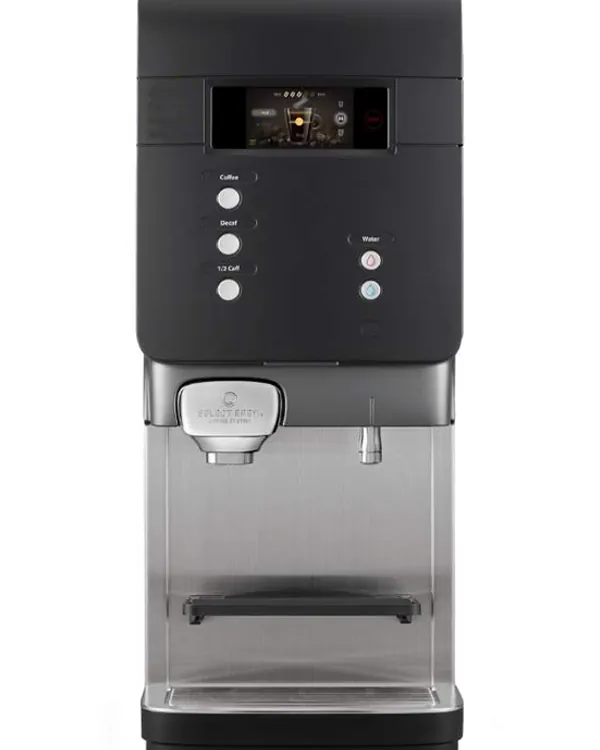
- Always check the power supply cable and the main breaker before assuming the internal pump has failed.
- Most liquid coffee systems require a daily cleaning cycle to prevent the buildup of dried concentrate in the dispense nozzle.
- Ensure the concentrate pack is seated properly in the cradle, as a misaligned bag will prevent the needle from piercing the seal.
- Verify that your water line pressure meets the manufacturer’s minimum PSI requirements to ensure the internal heater functions correctly.
- Resetting the machine by unplugging it for sixty seconds can clear most temporary software glitches within the interface.
Safety: Inside a mains-powered machine, the parts behind the outer cover can hold a dangerous electrical charge even after it has been unplugged — that’s why they sit behind a cover. Opening the housing, or testing or replacing anything behind it, is a job for a qualified technician, never a home repair.
How the Liquid Coffee System Works
Liquid coffee machines operate by drawing water from a dedicated supply line, heating it to a precise temperature, and mixing it with a concentrated coffee extract stored in a flexible pouch. This closed-loop system is designed for speed and consistency.
When a user selects a drink, the machine pierces the pouch, draws the concentrate through a metering pump, and blends it with the hot water stream. If the flow is inconsistent, the issue usually lies within the delivery nozzle or the water intake valve.
Common Mechanical Components
- Metering Pump: Controls the ratio of concentrate to hot water.
- Dispense Head: The primary point of contact where the concentrate and water meet.
- Water Inlet Valve: Regulates the flow from your facility’s plumbing.
- Heating Element: Maintains water temperature between 195 and 205 degrees Fahrenheit.
Troubleshooting Folgers Liquid Coffee Machine Power
If the machine shows no signs of life, start with the basics. A tripped circuit breaker is the most common cause of a total power loss. Check your electrical panel to ensure the dedicated circuit hasn’t been overloaded by other kitchen appliances. If the power is active, inspect the power cord for fraying or loose connections. If the screen remains blank, check the main power switch located at the back or underneath the unit.
| Component | Status Indicator | Typical Fix |
|---|---|---|
| Power Cable | No display | Re-seat plug |
| Circuit Breaker | Machine off | Reset breaker |
| Water Supply | “Add Water” error | Check shut-off valve |
| Waste Bin | “Full” warning | Empty bin |
Addressing Flow and Dispensing Issues
When the machine runs but fails to dispense coffee, the concentrate line is likely clogged. Dried coffee extract can form a crust at the dispense tip, effectively blocking the liquid. Use a damp, warm cloth to gently wipe the exterior of the nozzle. If the flow remains weak, the internal pump might be struggling to pull the liquid from the pouch. Always ensure the pouch isn’t folded or pinched inside the internal storage drawer.
Warning: Never use sharp metal objects like needles or paperclips to clear the nozzle, as this can damage the internal seals and lead to permanent leaks.
Why is My Coffee Weak?
If your coffee tastes watery or lacks body, the ratio settings have likely been altered or the concentrate pouch is nearly empty. Most machines allow you to adjust the “strength” or “brew ratio” through the administrative menu. If the settings are correct, inspect the concentrate tube for air bubbles.
Air in the line prevents the pump from pulling the full volume of extract, resulting in a diluted cup. If you suspect the water quality is poor, check the NSF International water quality standards to ensure your filtration system is performing correctly.
Resolving Error Code Messages
Modern liquid coffee dispensers display alphanumeric codes to help identify specific faults. While these codes vary by manufacturer, they generally fall into three categories: temperature errors, flow errors, and sensor errors. If you see a “Temp Error,” the machine has detected that the water is either too cold or too hot for safe dispensing. Turn the unit off, wait five minutes for the heating element to cool, and restart. If the error persists, the thermostat may require replacement.
Standard Error Categories
- E1 – E5: Typically related to water temperature sensors.
- F1 – F3: Usually indicate a failure in the water flow meter.
- L1 – L2: Often signal that the liquid concentrate is low or missing.
- C1 – C4: Related to communication errors between the keypad and the main board.
Performing a Deep Cleaning
A thorough cleaning routine is the best preventative measure against machine failure. Once a week, you should perform a full rinse cycle using the manufacturer-recommended cleaning solution. This removes mineral deposits and accumulated coffee oils that can cause the machine to malfunction. Ensure that you wipe down the interior cradle where the concentrate bag sits, as any spilled coffee can create a sticky mess that interferes with the bag sensors.
Managing Water Supply Pressure
The machine requires a constant, steady pressure to operate. If your facility has recently performed maintenance on the plumbing, air pockets might be trapped in the line. You can often purge these by running the rinse cycle multiple times. If the machine continues to display “Low Pressure,” you may need to install a pressure regulator valve to ensure the water enters the machine at the specific PSI required by your model’s specifications.
Troubleshooting the Interface Panel
If the buttons on the front panel are unresponsive, the membrane switch may have become contaminated with moisture or debris. Use a dry, lint-free cloth to clean the surface of the buttons. If the screen is frozen, a hard reset is the most effective solution. Unplug the machine from the power source for at least sixty seconds to allow the internal capacitors to discharge and the memory to clear, then plug it back in.
Is the Machine Leaking?
A leak is usually caused by a loose hose connection or a cracked internal gasket. Open the side or rear service panel to locate the source of the drip. If you find a loose hose, ensure it’s firmly attached to the barb fitting.
If the leak originates from the pump assembly, it’s likely that a seal has failed due to age. Don’t attempt to operate a machine with an active internal leak, as this creates a significant risk of electrical short-circuiting.
Handling Pouch Piercing Problems
The machine uses a piercing needle to open the concentrate pouch. If the machine cycles but no coffee comes out, the needle may be clogged with dried concentrate or the pouch may be positioned incorrectly. Ensure the pouch is pushed all the way into the cradle before closing the drawer. If the needle itself is bent or dull, it will fail to create a clean opening, leading to a vacuum seal failure that prevents the pump from working.
Related guides
- Philips Coffee Machine 3200 Troubleshooting:Fix Common Issues
- Tchibo Coffee Machine Troubleshooting: Expert Tips & Solutions
Frequently Asked Questions
Why does the machine display a low concentrate error even when the bag is full?
This usually happens because the air sensor isn’t detecting the presence of the bag or the line is blocked. Check that the bag is seated flat in the tray. If the bag is installed correctly, ensure the plastic tube isn’t kinked or pinched by the drawer mechanism. Sometimes, simply removing and re-inserting the bag resets the sensor trigger.
How often should I perform a preventative maintenance cycle?
You should perform a basic rinse cycle at the end of every day to keep the nozzle clear. A deep cleaning, which involves using a specialized cleaning solution to descale the internal heater and flush the concentrate lines, should be completed at least once per month. Regular maintenance prevents the buildup of limescale, which is the leading cause of internal heating element failure.
Can I use third-party concentrate bags in my machine?
Using non-branded or third-party concentrate bags can void your warranty and may cause mechanical failures. These machines are calibrated for the specific viscosity and packaging dimensions of the manufacturer’s own concentrate. If the pouch dimensions don’t match the cradle, the piercing needle may miss the opening, leading to leaks or a complete failure to dispense the coffee concentrate.
What should I do if the water coming out is lukewarm?
Lukewarm water indicates that the heating element isn’t reaching the required temperature or the thermostat is faulty. First, check if the machine is in an “Energy Save” or “Sleep” mode, which lowers the temperature during off-hours. If it remains cold during peak hours, the unit may have a blown thermal fuse, which requires a professional technician to replace for safety reasons.
Why is the machine making a loud rattling noise during operation?
A loud rattling sound usually indicates that the pump is struggling to draw water or concentrate. This is often caused by an air bubble in the line or a partially blocked intake filter. Ensure the water supply valve is fully open and that the concentrate pouch isn’t empty. If the noise continues, the pump bearings may be worn out and the part will need replacement.
Conclusion
If the troubleshooting steps outlined above don’t resolve the issue, consult your specific machine’s user manual for the model-specific reset sequence, or contact your equipment provider to request a service visit from a certified technician. Keeping your machine clean and ensuring the water supply remains consistent will help avoid most common problems and keep your coffee service running smoothly for years to come.