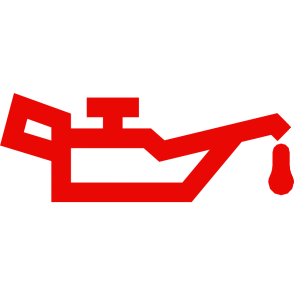
Is your engine warning light flashing, or have you noticed unusual noises from your vehicle? Low or fluctuating oil pressure can cause serious damage if ignored.
You might feel confused about what’s causing the problem or how to fix it. This guide on oil pressure troubleshooting is designed just for you. By understanding the signs and solutions, you can protect your engine and avoid costly repairs.
Keep reading to learn exactly what to look for and how to get your oil pressure back on track.
Common Oil Pressure Issues
Oil pressure is crucial for engine health. It keeps engine parts lubricated and running smoothly. Problems with oil pressure can lead to engine damage. Identifying common issues early helps avoid costly repairs.
Low Oil Pressure Symptoms
Low oil pressure can cause warning lights to turn on. You might hear strange engine noises like ticking or knocking. The engine may feel rough or sluggish. Low pressure means oil isn’t reaching all parts properly. This can cause engine parts to wear out fast.
Causes Of High Oil Pressure
High oil pressure is less common but still a concern. It often happens due to a blocked oil passage. A faulty pressure relief valve can cause high pressure. Thick or old oil may not flow well, raising pressure. High pressure can stress seals and damage engine parts.
Oil Pressure Gauge Problems
Sometimes, the oil pressure gauge itself has issues. Faulty sensors can give wrong readings. Loose or damaged wiring may cause the gauge to act erratically. A stuck gauge needle can mislead you about the oil pressure. Checking the gauge system helps ensure accurate readings.

Tools Needed For Diagnosis
Diagnosing oil pressure problems requires the right tools. These tools help find issues quickly and safely. Using proper equipment saves time and avoids mistakes. Here are the essential tools needed for oil pressure diagnosis.
Oil Pressure Gauge Tester
An oil pressure gauge tester measures the engine’s oil pressure directly. It shows if the pressure is too low or too high. This tool connects to the engine’s oil port. It gives accurate readings to spot problems early. Using a gauge tester helps avoid engine damage.
Basic Engine Tools
Basic engine tools include wrenches, sockets, and screwdrivers. They help remove parts for inspection and repair. These tools allow access to the oil filter and pressure sensor. Clean and organized tools make the job easier. They are necessary for checking and fixing oil pressure issues.
Safety Equipment
Safety equipment protects you during the diagnosis process. Gloves keep your hands clean and safe from hot oil. Safety glasses protect your eyes from splashes and debris. Wear proper clothing to avoid burns or cuts. Safety equipment ensures a safe working environment.
Step-by-step Troubleshooting
Troubleshooting oil pressure issues requires a clear, step-by-step process. This helps find the problem quickly and safely. Follow these simple steps to check your engine’s oil pressure system.
Checking Oil Level And Quality
Start by checking the oil level. Use the dipstick to see if the oil is at the right mark. Low oil can cause pressure problems. Next, check the oil’s color and texture. Dark, dirty oil or oil with particles means it needs changing. Clean oil is vital for proper pressure and engine health.
Inspecting Oil Filter And Pump
Look at the oil filter for clogs or damage. A blocked filter stops oil flow and lowers pressure. Replace it if dirty or old. Then, check the oil pump. It pushes oil through the engine. A weak or broken pump causes low pressure. Listen for strange noises and check for leaks around the pump.
Testing Oil Pressure Sensor
The oil pressure sensor sends pressure info to the dashboard gauge. A faulty sensor can give wrong readings. Use a multimeter to test the sensor’s electrical connections. Replace the sensor if it does not show the correct pressure values.
Examining Engine Bearings
Engine bearings support moving parts and keep oil flowing. Worn bearings create gaps and lower oil pressure. To check, remove engine covers and look for wear marks or metal shavings. Damaged bearings need replacing to restore proper oil pressure.
Quick Fixes To Try
Oil pressure problems can stop your engine from running smoothly. Some issues are simple to fix. Trying quick fixes can save time and money. These easy steps often solve common oil pressure troubles fast.
Changing Oil And Filter
Old oil loses its ability to lubricate. Dirty oil clogs passages and lowers pressure. Changing the oil and filter refreshes the system. Use the right oil type for your engine. Fresh oil flows better and keeps parts safe.
Replacing Faulty Sensors
Sensors check oil pressure and send signals. A broken sensor gives wrong readings. This can cause warning lights to blink. Swapping a bad sensor with a new one clears errors. It helps you trust the oil pressure gauge again.
Tightening Connections
Loose fittings cause oil leaks and pressure drops. Check all oil lines and connectors carefully. Tighten any loose bolts or clamps securely. Proper connections keep oil flowing at the right pressure. This fix is quick and often overlooked.
Using Oil Additives
Oil additives improve oil’s thickness and flow. They help seal minor leaks and clean parts. Adding the right product can boost oil pressure. Choose additives made for your engine type. This fix supports overall engine health and smooth operation.
When To Seek Professional Help
Knowing when to call a mechanic for oil pressure problems is very important. Oil pressure keeps the engine parts moving smoothly. Low or irregular pressure can harm the engine quickly. Some issues can be fixed at home, but others need expert care. Understanding the signs helps you protect your car and wallet.
Persistent Low Pressure
Low oil pressure that stays low after adding oil is a warning. It means the problem is serious. The cause might be a broken oil pump or clogged filter. These parts control oil flow. Fixing them requires special tools and skills. Do not ignore ongoing low pressure. It can cause engine failure.
Engine Noises And Damage Signs
Loud knocking or ticking sounds often show oil pressure issues. These noises mean engine parts are not lubricated. Metal parts rubbing cause damage fast. Also, check for warning lights on the dashboard. Visible oil leaks or smoke are signs of trouble. A professional can find the exact cause and fix it safely.
Complex Repairs Beyond Diy
Some oil pressure problems need deep engine work. Replacing an oil pump or fixing internal damage is hard. These repairs need experience and repair manuals. Mistakes can lead to bigger engine problems. Professionals have tools and knowledge to do the job right. Save time and avoid risk by trusting experts with complex repairs.
Preventive Maintenance Tips
Preventive maintenance helps avoid oil pressure problems before they start. It keeps your engine running smooth and protects it from damage. Regular checks and care save time and money. Small actions can stop big issues.
Regular Oil Changes
Changing oil regularly keeps it clean and thick enough to protect engine parts. Old oil loses its power to lubricate and causes pressure drops. Follow the manufacturer’s schedule for oil changes. Use the right type of oil for your engine.
Monitoring Oil Levels
Check oil levels often to ensure they stay within the safe range. Low oil causes poor pressure and can damage the engine. Use the dipstick to check levels when the engine is cool. Top up oil if it is below the recommended mark.
Scheduled Engine Inspections
Have a professional inspect your engine at set times. They check oil pressure sensors, filters, and pumps for faults. Early detection of problems prevents costly repairs. Keep a record of inspections and follow advice given.

Frequently Asked Questions
What Causes Low Oil Pressure In An Engine?
Low oil pressure usually happens from oil leaks, worn pump, or dirty oil filter. It can also be due to old, thin, or low oil levels.
How To Check Oil Pressure In A Vehicle?
Use an oil pressure gauge connected to the engine’s oil port. Run the engine and read the gauge for pressure levels.
Why Is Oil Pressure Gauge Showing High Pressure?
High oil pressure may result from blocked oil passages or a faulty oil pressure relief valve. Thick or cold oil can also cause this.
Can Low Oil Pressure Damage My Engine?
Yes, low oil pressure can cause engine parts to wear quickly. It may lead to serious engine damage or failure.
How Often Should I Troubleshoot Oil Pressure Issues?
Check oil pressure whenever the warning light comes on or during regular vehicle maintenance. Early detection helps avoid costly repairs.
Conclusion
Troubleshooting oil pressure can save your engine from damage. Check the oil level and quality first. Use a gauge to measure pressure accurately. Look for leaks or worn parts that may cause issues. Fix problems early to keep your engine running well.
Regular maintenance helps avoid oil pressure troubles. Stay alert to warning signs on your dashboard. Taking simple steps can protect your vehicle and your wallet. Keep your engine healthy with proper oil pressure care.