If you rely on your Allison transmission for smooth, reliable performance, any hiccup can quickly disrupt your day. You might notice rough shifts, strange noises, or warning lights flashing on your dashboard.
When this happens, you need clear, simple guidance to troubleshoot the problem before it turns into a costly repair. This article is designed just for you—whether you’re a driver or a mechanic—offering straightforward Allison Transmission troubleshooting tips that anyone can follow.
By the time you finish reading, you’ll know how to spot common issues, understand what your transmission is trying to tell you, and take the right steps to get it back on track. Ready to take control of your transmission troubles? Let’s dive in.
Common Allison Transmission Issues
Allison transmissions are known for their durability and performance. Yet, they sometimes face common problems that affect vehicle operation. Recognizing these issues early helps keep your transmission running smoothly. Understanding typical symptoms leads to quicker repairs and less downtime.
Many drivers report trouble with shifting and gear engagement. These problems can signal worn parts, fluid issues, or electronic faults. Addressing them promptly prevents further damage and costly repairs. Below are some frequent Allison transmission issues you might encounter.
Hard And Erratic Shifts
Hard shifts feel like sudden jolts when the transmission changes gears. Erratic shifts happen without warning or consistency. These symptoms often point to low or dirty transmission fluid. Sometimes, faulty sensors or worn internal parts cause rough gear changes. Checking fluid levels and condition is a good first step. Ignoring hard shifts may lead to serious transmission damage.
Delayed Gear Engagement
Delayed gear engagement means the vehicle hesitates before moving after shifting. This lag can feel like a pause when you put the car in drive or reverse. Low fluid or a clogged filter often causes this delay. The transmission control module (TCM) may also fail to send the right signals. Fixing delayed engagement quickly improves driving safety and comfort.
Gear Selection Problems
Gear selection problems include difficulty shifting or the transmission slipping into the wrong gear. You may notice the vehicle stuck in one gear or sudden drops to neutral. These issues can result from worn gears or damaged linkage. Electronic faults in the TCM can also cause gear errors. Proper diagnosis is essential for effective repairs.
Harsh Reverse Or Drive Engagement
Harsh engagement feels like a strong jolt when shifting into reverse or drive. This issue often signals worn clutches or bands inside the transmission. Dirty or old transmission fluid can worsen the problem. Sometimes, the problem lies in the valve body or solenoids. Addressing harsh engagement improves smoothness and protects the transmission.

Credit: www.ebay.com
Electronic Warning Signs
Electronic warning signs are key to identifying Allison transmission problems early. They alert drivers to issues that need quick attention. Understanding these signs helps prevent costly repairs and keeps your vehicle running smoothly.
These warnings often appear on your dashboard. They signal faults in the transmission’s electronic system. Recognizing each sign and its meaning can save time and trouble.
Check Engine And Abs Lights
The Check Engine and ABS lights often indicate transmission issues. The transmission control module may detect faults and trigger these lights. A lit Check Engine light may mean sensor or communication problems.
The ABS light can also come on if the transmission affects wheel speed sensors. Ignoring these lights can lead to severe damage. Use a diagnostic tool to read trouble codes and identify the issue.
Unresponsive Shift Controls
Shift controls that don’t respond properly signal electronic faults. The transmission may fail to change gears or get stuck in one gear. This can happen due to wiring problems or a faulty control module.
Unresponsive controls reduce vehicle safety and drivability. Testing the shift control system helps find wiring breaks or sensor failures. Prompt repair restores proper gear shifting and control.
Gear Indicator Malfunctions
The gear indicator on your dashboard shows the current gear. Malfunctions in this display often point to electronic or sensor issues. If the indicator shows the wrong gear, it confuses the driver.
This problem may arise from faulty sensors or wiring errors. Correcting the issue ensures the driver sees accurate gear information. Regular checks of the gear indicator prevent unexpected transmission behavior.
Performance And Starting Challenges
Performance and starting issues with Allison transmissions can disrupt vehicle operation. These challenges affect driving smoothness and efficiency. Identifying common problems helps maintain transmission health. Troubleshooting focuses on symptoms such as poor acceleration, stalling, and gear selection errors. Recognizing these signs early can prevent costly repairs.
Poor Acceleration And Fuel Economy
Slow acceleration often signals transmission troubles. The vehicle may feel sluggish or unresponsive. Fuel consumption may rise due to inefficient power transfer. Dirty or low transmission fluid causes slipping and delays. Worn internal parts reduce performance and increase fuel use.
Engine Stalling During Shifts
Engine stalling is a serious symptom during gear changes. It may happen when shifting between drive and reverse or other gears. Faulty sensors or a failing Transmission Control Module (TCM) can cause stalling. Mechanical issues inside the transmission also lead to sudden stops. This problem demands prompt diagnosis and repair.
Starting In Incorrect Gears
Starting the vehicle in the wrong gear is dangerous and damaging. The transmission may engage a higher or lower gear unexpectedly. This issue often points to electronic control errors or sensor failures. It can cause jerky starts and stress on transmission parts. Proper troubleshooting focuses on electronic diagnostics and mechanical inspection.
Quick Visual And Fluid Checks
Quick visual and fluid checks are the fastest ways to spot problems in Allison transmissions. These simple inspections help catch issues before they become costly repairs. They also ensure the transmission runs smoothly and lasts longer.
Regular checks save time and money. Anyone can do them with basic tools and a little knowledge. Start with a clear look at the transmission’s outside and its fluid condition.
Inspecting For Leaks And Wiring Issues
Check under the vehicle for any signs of fluid leaks. Look for puddles or wet spots around the transmission. Leaks may cause low fluid levels and damage internal parts.
Inspect wiring and connectors near the transmission. Loose or damaged wires cause shifting problems and error codes. Secure all connections and replace damaged wires quickly.
Checking Fluid Level And Condition
Use the dipstick to check the transmission fluid level. Low fluid causes poor shifting and overheating. Add fluid only if the level is below the recommended mark.
Observe the fluid color. Healthy transmission fluid is bright red or pink. Dark or brown fluid means old or burnt fluid. Replace fluid if it looks dirty.
Identifying Fluid Contamination
Look for particles or metal shavings in the fluid. These contaminants signal internal wear or damage. Contaminated fluid harms the transmission and reduces lifespan.
Cloudy or milky fluid indicates water or coolant contamination. This problem needs immediate attention to avoid serious damage. Flush and replace the fluid to keep the system clean.
Using Diagnostic Tools
Using diagnostic tools is essential for troubleshooting Allison transmissions. These tools help identify issues quickly and accurately. They provide clear information about the transmission’s health. Understanding how to use these tools saves time and money. It also prevents unnecessary repairs and downtime.
Reading Fault Codes With Allison Doc
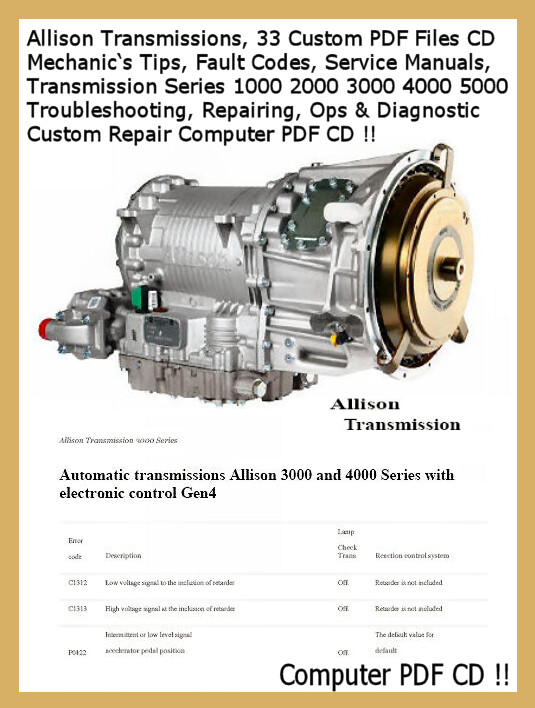
Allison DOC (Diagnostic Link Connector) is a key tool for reading fault codes. It connects directly to the transmission’s control module. The tool retrieves error codes stored in the system. These codes point to specific problems in the transmission. Reading these codes helps technicians pinpoint the root cause. It avoids guesswork and speeds up repairs.
Resetting Transmission Service Lights
Transmission service lights signal the need for maintenance or repairs. Resetting these lights after fixing issues is important. The Allison DOC tool allows easy resetting of service lights. It clears warning messages from the dashboard. Resetting confirms that the issue has been addressed. It also keeps the vehicle’s system updated.
Interpreting Diagnostic Trouble Codes
Diagnostic Trouble Codes (DTCs) provide detailed information on transmission faults. Each code corresponds to a specific error or sensor reading. Understanding these codes guides the repair process. Some codes indicate minor issues, while others warn of serious problems. Proper interpretation helps decide on immediate repairs or monitoring. It ensures the transmission runs smoothly and reliably.

Credit: www.revmaxconverters.com
Transmission Control Module (tcm) Troubleshooting
The Transmission Control Module (TCM) is the brain behind the Allison transmission’s smooth operation. It controls gear shifts and manages the transmission’s electronic functions. Troubleshooting the TCM helps identify problems early, preventing bigger issues and costly repairs.
Faulty TCMs often cause transmission problems that confuse many drivers. Understanding the signs of a failing TCM and common shifting errors makes troubleshooting easier. Testing and replacing the TCM can restore proper transmission function quickly.
Signs Of A Failing Tcm
Watch for warning lights like Check Engine or ABS on your dashboard. The transmission may shift harshly or delay shifting between gears. Sometimes, the vehicle stays stuck in one gear or goes into limp mode. Gear selection errors and failure to start can also signal TCM failure. Loss of communication with diagnostic tools, showing U-codes, is another clear sign.
Common Tcm-related Shifting Errors
- Hard or erratic shifts causing rough driving experiences.
- Delayed shifts that make the vehicle slow to respond.
- Gear selection errors where the wrong gear engages.
- Harsh engagement with loud clunks in reverse or drive.
Steps To Test And Replace The Tcm
Begin by scanning for trouble codes using an OBD-II scanner. Check transmission fluid levels and condition to rule out fluid problems. Inspect wiring and connectors for damage or corrosion. If codes point to the TCM, try resetting it by disconnecting the battery for a few minutes.
If issues persist, remove the TCM carefully and replace it with a new or refurbished unit. After installation, clear all codes and test drive the vehicle to confirm proper shifting. Proper TCM troubleshooting restores transmission performance and improves vehicle reliability.
Simple Fixes For Common Problems
Simple fixes for common Allison Transmission problems can save time and money. Many issues arise from routine maintenance neglect or minor electrical glitches. Basic troubleshooting steps often restore smooth operation without professional help.
Start with easy checks before deeper diagnosis. These simple actions help identify and resolve frequent transmission troubles quickly. Follow these practical tips to keep your transmission running well.
Fluid Replacement And Filter Changes
Transmission fluid keeps parts lubricated and cool. Dirty or low fluid causes rough shifting and slipping. Replace the fluid regularly according to the manufacturer’s guide.
Change the transmission filter during fluid replacement. A clogged filter restricts fluid flow and damages components. Fresh fluid and a clean filter improve transmission health and performance.
Resetting Transmission Systems
Electronic systems sometimes need a reset to clear faults. Resetting can fix error codes and restore normal function. Follow the vehicle’s instructions to reset the transmission control module.
Often, shifting the gear lever through different positions (Drive, Neutral, Reverse) several times resets the system. This simple step can clear service lights and fix minor glitches.
Checking And Reconnecting Wiring
Loose or damaged wiring causes signal loss and erratic shifting. Inspect all connectors and wiring harnesses near the transmission. Look for corrosion, breaks, or loose plugs.
Reconnect any loose wires firmly. Repair damaged wires or replace connectors if needed. Proper electrical connections ensure smooth communication between the transmission and control modules.
When To Seek Professional Help
Knowing when to seek professional help for Allison Transmission issues can save you time and money. Some problems need expert tools and skills to diagnose correctly. Acting too late may cause more damage to your vehicle. Understanding the signs that require professional attention is important.
Complex Diagnostic Needs
Allison transmissions have advanced electronic controls. Simple tools may not identify the root cause of issues. Professionals use specialized diagnostic equipment to read trouble codes. They can pinpoint sensor failures or control module problems. Complex faults require expert knowledge to fix safely and correctly.
Persistent Or Severe Symptoms
If symptoms like harsh shifting or delayed gear changes continue, get help. Severe signs include the vehicle stuck in gear or sudden loss of power. Warning lights on the dashboard also indicate serious transmission problems. Ignoring these signs may lead to costly repairs or breakdowns.
Certified Allison Transmission Services
Certified technicians have training specific to Allison transmissions. They follow manufacturer guidelines for repairs and maintenance. Using certified services ensures your transmission gets the right parts and care. This helps maintain performance and extends the life of your transmission.
Credit: www.ebay.com
Frequently Asked Questions
How Do I Reset An Allison Transmission?
To reset an Allison transmission, shift from Drive to Neutral to Reverse several times. This cycles the system and clears minor errors. For persistent issues, use Allison DOC software or consult a professional technician. Always check transmission fluid and connections before resetting.
What Goes Wrong With Allison Transmission?
Allison transmissions often fail due to dirty or low fluid, faulty sensors, worn gears, or electronic control module issues. These cause rough shifting, delayed or erratic gear changes, and warning lights. Regular fluid checks and professional diagnostics help identify and fix problems early.
How To Run Diagnostics On Allison Transmission?
Connect an Allison DOC diagnostic tool to the transmission’s data port. Scan for trouble codes and review live data. Clear codes if needed and test drive to confirm issues. Check fluid level and condition before diagnostics for accurate results.
How Do I Know If My Allison Tcm Is Bad?
A bad Allison TCM causes erratic, delayed, or stuck shifts, gear errors, warning lights, and sometimes no start. Scan for trouble codes to confirm.
What Are Common Allison Transmission Problems And Symptoms?
Common issues include rough shifting, delayed gear changes, and slipping gears. Warning lights like Check Engine or ABS may also appear. Low or dirty transmission fluid often causes these problems.
Conclusion
Troubleshooting an Allison transmission helps keep your vehicle running smoothly. Check fluid levels and condition regularly for best results. Watch for warning lights and unusual shifting behavior. Simple diagnostics can often identify common problems early. Address issues quickly to avoid costly repairs later.
Use easy steps like resetting service lights to maintain performance. Stay aware of symptoms like delayed shifts or harsh engagement. Regular care ensures your transmission lasts longer and drives better.