The most effective way to address DeLonghi Nespresso troubleshooting is to perform a deep descaling cycle, as mineral buildup is the primary cause of flow and heating problems. If your machine is leaking, failing to pierce capsules, or producing tepid coffee, a mineral blockage is likely restricting the internal water pathways. You can confirm the meaning of your machine’s light sequence by checking the official Nespresso machine user manuals.
Troubleshoot your Nespresso machine issues
Most performance issues stem from calcium and magnesium deposits that accumulate inside the heating element and fine tubing. Over time, these minerals harden and block the narrow paths where water must flow at high pressure.
If you live in an area with “hard” water, this process happens much faster than for users in soft water regions. You can verify your local water hardness level by checking your municipal water utility report, which usually lists the parts per million of calcium carbonate present in the supply.
Another common cause is the use of non-compatible or damaged capsules. If the aluminum foil on the capsule is too thick or dented, the internal needles can’t pierce it properly. When the machine detects this resistance, it often stops the pump to prevent internal pressure damage.
Additionally, air locks in the water system occur if the machine runs completely dry. If air gets trapped in the pipes, the pump will struggle to pull water through, resulting in a loud humming noise with no liquid output. This requires priming the system, which forces the air out by cycling water through the lines.
Perform a manual factory reset
A factory reset clears temporary software errors that might cause the machine to ignore button presses or brew the wrong size. This is for users who have already checked that the water tank is full and the capsule container is empty. To reset, turn the machine off, then hold the “Lungo” or largest cup button while turning the machine back on. Keep the button held until the lights flash quickly three times, which confirms the reset is complete.
This process isn’t for hardware failures like broken plastic levers or leaking seals. If you notice water pooling under the machine, a reset won’t stop the leak and may mask a physical damage issue.
After the reset, you must run one full tank of fresh water through the system without a capsule to ensure the internal valves are seated correctly. If the machine still fails to respond after a reset, the internal control board may have reached its limit, and you should contact the manufacturer for a professional assessment.
Clean the capsule piercing unit
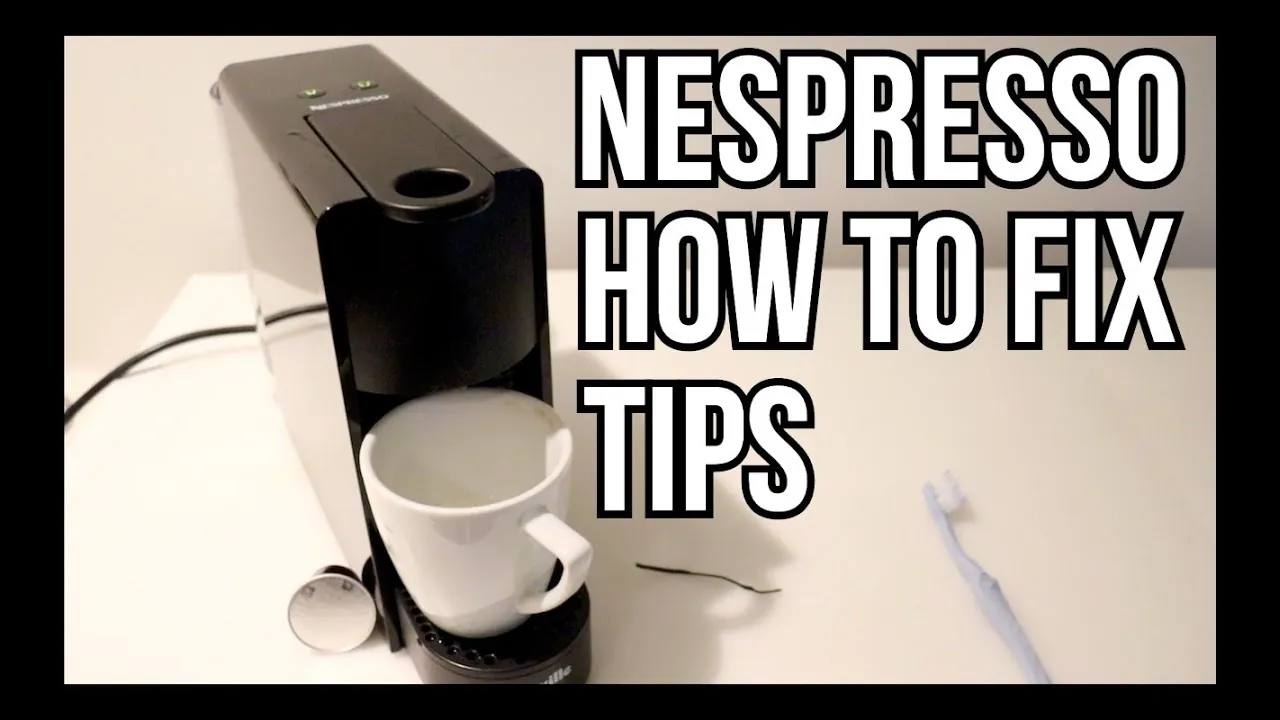
The piercing unit is the heart of the brewing process, and it often collects coffee oils and grounds that prevent a clean puncture. This fix is for machines that produce weak coffee or show an error light immediately after you pull the lever down.
Unplug the machine, then use a soft, damp toothbrush to gently scrub the underside of the brewing head where the needles are located. Never use metal tools, as bending these needles will permanently ruin the extraction process and require a full replacement of the brewing head.
After scrubbing, run a “lungo” cycle with no capsule inside to flush out the loosened oils. If you see chunks of old coffee debris coming out, repeat this process until the water runs clear. This step is essential if you switch between different coffee brands or capsule materials, as residue buildup varies by manufacturer.
If the lever remains difficult to close after cleaning, don’t force it, as you could snap the plastic locking mechanism. Instead, check for a jammed capsule stuck in the chamber and remove it carefully with plastic tongs.
Descale the internal water system
Descaling is the most critical maintenance task, and you should perform it whenever the descaling light appears. This fix is for machines that have slow flow, lukewarm coffee, or noisy operation. Purchase a Nespresso-approved descaling solution, as vinegar or harsh acids can corrode the internal rubber seals.
Mix the solution with the amount of water specified in your manual—usually 17 ounces—and pour it into the reservoir. Place a large container under the outlet and run the descaling program according to the sequence described for your specific model.
Once the solution has passed through, you must perform at least two full rinse cycles with fresh, clean water. Skipping the rinse step will leave a chemical taste in your next few cups and may irritate your stomach. If your machine is still slow after two full descaling cycles, the internal heating element is likely calcified beyond repair. At this stage, it isn’t worth attempting further chemical cleaning, as you risk damaging the electronic sensors that control the water temperature.
Common mistakes to avoid
Never use vinegar to clean the machine. The acid eats through internal rubber gaskets, causing leaks that ruin the pump. It also leaves a permanent, sour odor that taints every future cup.
Don’t force the lever if it feels stuck. This usually indicates a misaligned pod; forcing it snaps the fragile plastic linkage, a repair that often exceeds the cost of a new unit.
Avoid leaving spent capsules in the chamber for more than 24 hours. Residual moisture promotes rapid mold growth and causes coffee grounds to harden, eventually clogging the delicate piercing needles.
Never use descaling solutions meant for standard drip coffee pots. These formulas are far too abrasive for high-pressure systems and will strip the protective coating off the internal boiler.
Don’t attempt to open the outer housing. The internal pump and boiler are calibrated for trained technicians. If you open the casing, you void the warranty and risk exposure to high-voltage capacitors.
Prevent future brewing problems
If you’re currently experiencing inconsistent results, you can adjust your habits to keep the machine running longer. The table below shows the most common user errors and the simple changes that prevent recurring issues.
| If you’re doing this | Do this instead | Why |
|---|---|---|
| Using tap water | Use filtered or bottled water | Minerals in tap water cause rapid buildup |
| Brewing back-to-back | Wait 30 seconds between cups | Allows the heating element to stabilize |
| Leaving the lever down | Leave the lever slightly open | Prevents tension on the internal spring |
| Ignoring warning lights | Run the descaling cycle | Prevents permanent pump failure |
Most users mistake a slow drip for a failing pump, but it’s usually just a clogged screen. If the flow rate drops below two ounces per minute, stop brewing immediately.
If your machine makes a high-pitched whine, check your water hardness level. Descaling frequency depends on your usage and water quality; consult your owner’s manual for the correct maintenance schedule. Neglecting this causes calcium deposits to calcify inside the boiler. Once these deposits harden, no chemical cleaner can remove them, and you’ll face a total unit replacement.
Frequently asked questions
How long does a descaling cycle take?
A full descaling cycle takes 20 to 30 minutes. You must remain near the machine to refill the tank and empty the container. If interrupted, the machine may get stuck in descaling mode.
Why is my machine making a loud noise but no coffee?
An air lock in the pump is likely preventing water flow. Remove and re-seat the water tank firmly, then run a long cycle. If the pump remains silent or strained, it may have failed.
How often should I descale my machine?
Descale your machine when the indicator light activates or when performance drops. Modern models use sensors to track brew counts and signal when maintenance is required. Always descale promptly to prevent stubborn blockages.
Is it safe to use third-party capsules?
Third-party capsules are safe if they’re specifically designed for the Nespresso Original line. Cheaper pods may deform under pressure and damage the brewing head. Stop using any brand that causes jamming or failed punctures.
What happens if I use the wrong descaling liquid?
Use only manufacturer-recommended descaling solutions to avoid damaging internal seals and the boiler lining. Harsh cleaners like vinegar can cause leaks or temperature regulation issues. Stick to citric or lactic acid solutions to keep the system functional.
Why is my coffee coming out cold?
Cold coffee usually indicates that scale buildup is insulating the heating element. A thorough descaling cycle often restores performance by removing these deposits. If the coffee remains cold after two cycles, the heating element may require professional repair.
Conclusion
Regular maintenance is the most reliable way to ensure your morning routine stays consistent. By using filtered water and keeping the piercing unit free of coffee oils, you avoid the most common causes of machine failure. If you follow these simple care steps, you’ll extend the life of your equipment and enjoy better-tasting coffee for years to come.