When your unit fails to cool or shows an error, perform basic delonghi pinguino troubleshooting by checking the air filters and power connections first. Most issues stem from a blocked airflow path or a tripped internal sensor. If your unit isn’t cooling, the air filter is likely clogged with dust, preventing heat exchange. Clean the filter under running water and let it dry completely before re-inserting it.
Troubleshooting your Pinguino power and cooling
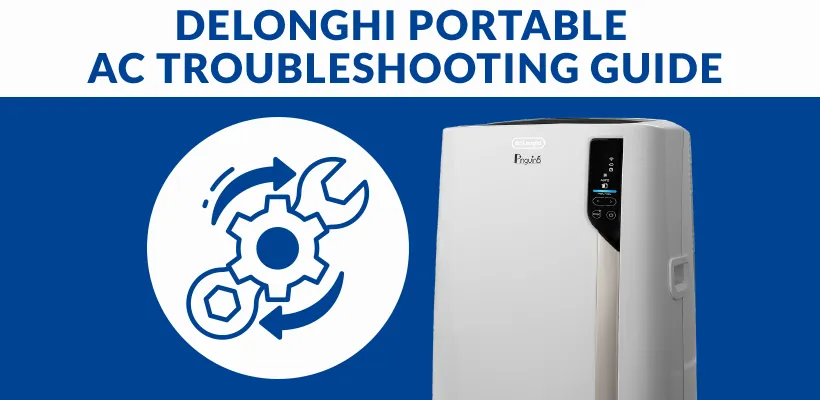
Most portable air conditioning problems arise from simple environmental factors rather than internal mechanical failure. When a unit runs but doesn’t cool, it’s usually struggling to move air through the evaporator or condenser coils. Dust buildup on the mesh filters is the most common culprit, as it restricts the airflow needed to transfer heat out of your room.
Another common cause involves the exhaust hose. If the hose is kinked, overly long, or blocked, the hot air can’t escape outside. When hot air stays trapped in the hose, the unit’s condenser can’t effectively dissipate heat, causing the compressor to overheat and shut off via a thermal safety switch. Ensure your exhaust hose has no tight bends and stays as short as possible to allow for efficient venting.
Finally, check your power supply. These machines draw significant current, and using an extension cord or a power strip often causes voltage drops. This drop trips the unit’s thermal protection, leading to intermittent power or a failure to start. Always plug the device directly into a wall outlet that matches the voltage requirements listed on the unit’s side panel. If you notice a burning smell or the cord feels hot, stop use immediately and contact a licensed technician.
Safety: Inside a mains-powered machine, the parts behind the outer cover can hold a dangerous electrical charge even after it has been unplugged — that’s why they sit behind a cover. Opening the housing, or testing or replacing anything behind it, is a job for a qualified technician, never a home repair.
Cleaning the air filters
Regular cleaning of the air filters is necessary to maintain cooling performance. If you notice the airflow slowing down or the unit cycling on and off too frequently, the filters are likely the cause. This fix is for anyone who uses their unit daily in dusty or pet-heavy environments, as these conditions load the filters faster than standard use.
To clean the filters, pull the filter housing out from the back of the unit. Use a vacuum cleaner with a soft brush attachment to remove loose dust and hair. If the filter is greasy or heavily soiled, wash it in lukewarm water with a mild dish soap. Rinse thoroughly and shake off excess water. You must allow the filter to air dry completely in a shaded area before putting it back into the unit.
Never run the machine without a filter, as this allows dust to coat the cooling coils, which significantly reduces efficiency and can lead to permanent coil damage. If the filter mesh shows tears or holes, it must be replaced with an original part. Using a damaged filter won’t protect the internal components, and it may lead to the cooling coils freezing over due to uneven airflow.
Adjusting the exhaust hose and venting
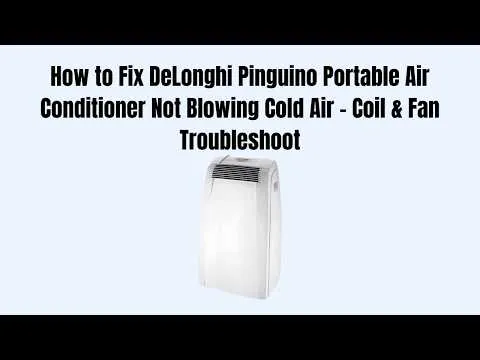
Correct venting is vital because your portable unit removes heat from your room and pushes it through the exhaust hose. If the hose is improperly installed, the unit will effectively cool one side of the room while heating the other. This fix is for those experiencing high humidity or poor temperature control despite the unit running at full power.
Ensure the hose is fully extended but not stretched beyond its intended length, which is typically around 3 to 5 feet for most models. Keep the hose as straight as possible to minimize backpressure on the internal fan. If the hose has a bend, ensure it’s a gentle curve rather than a sharp angle. Secure the window adapter firmly to prevent hot outdoor air from leaking back into your room.
If you’re using the unit in a very large room, the cooling capacity might be insufficient for the space. Check the BTU rating of your specific model against the square footage of your room. A unit that’s too small for the area will run constantly, which increases wear on the compressor and makes it appear as though the machine is failing to cool.
Resetting the internal control panel
Sometimes the digital control board becomes unresponsive or displays a false error code due to a minor power surge. A hard reset often clears these temporary electronic glitches. This method is appropriate when the buttons don’t react to input or the display shows a code that doesn’t match any obvious mechanical issue.
To perform a reset, turn the unit off using the control panel and then unplug the power cord from the wall outlet. Leave the unit completely disconnected from power for at least 10 minutes. This time allows the internal capacitors to discharge fully, which clears the memory of the control board. After waiting, plug the unit back into a dedicated wall outlet and turn it on to see if the error has cleared.
If an error code persists after a hard reset, the unit likely has a faulty sensor or a damaged control board. At this point, you shouldn’t attempt further repairs yourself. Internal electronics require specific tools and knowledge to diagnose safely. Contact a certified appliance repair service or the manufacturer’s authorized service center to avoid voiding your warranty or causing an electrical hazard.
Avoiding common maintenance mistakes
Many users try to fix their units with methods that end up causing more harm than good. Avoid these common errors to ensure your machine lasts:
- Using extension cords: These devices pull high wattage, and standard cords often overheat, which can cause a fire or damage the unit’s motherboard.
- Cleaning coils with sharp tools: Never poke or scrape the metal cooling fins, as they’re very fragile and will bend or leak refrigerant if touched.
- Adding extra refrigerant: These are sealed systems; if they lose cooling power due to a leak, only a certified technician can legally and safely recharge the gas.
- Ignoring standing water: If the internal drain pan is full, the unit will shut down to prevent spills, so always empty the tank if you aren’t using the continuous drain feature.
- Blocking the air intake: Placing the unit inside a tight closet or against a wall prevents the intake of air, causing the compressor to overheat and trigger a safety shutdown.
Preventing future cooling failures
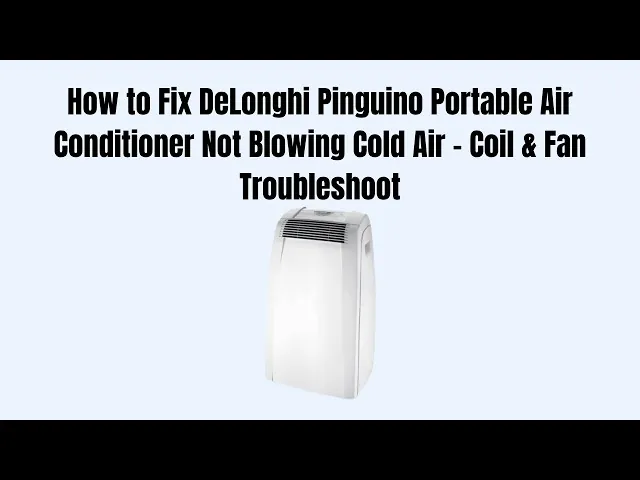
Keeping your air conditioner in top shape requires a proactive approach to maintenance. By changing your habits, you can extend the life of the compressor and keep your room temperature consistent throughout the season.
| If you’re doing this | Do this instead | Why |
|---|---|---|
| Running it 24/7 | Use the timer function | Reduces compressor wear |
| Leaving windows open | Seal gaps with foam | Prevents heat leakage |
| Using it in direct sun | Draw the curtains | Lowers the cooling load |
| Ignoring the drain tank | Use continuous drainage | Prevents safety shutdowns |
| Storing it dirty | Clean and dry fully | Stops mold and corrosion |
Most owners fail by neglecting the condenser coils. If you notice a drop in airflow, check the exterior fins for debris. If they look matted or grey, use a soft brush to clear them. Don’t use a pressure washer, as it bends the delicate metal.
The rule for scheduling is simple: the frequency of deep cleaning depends on your specific environment and usage. Consult your owner’s manual for the manufacturer’s recommended maintenance schedule, as skipping this step forces the motor to work harder and leads to premature electrical failure.
Frequently asked questions
Can I use an extension cord for my unit?
No, you should never use an extension cord because these units draw high current that exceeds the safe capacity of most household cords. Using one will cause the cord to overheat and may result in a fire. Always plug the power cable directly into a grounded wall outlet.
Why does my unit turn off by itself?
Your unit turns off automatically when it reaches the set temperature or if the internal water tank is full. The machine stops to prevent leaking when the tank fills. Ensure filters are clean and the exhaust hose is clear to prevent the thermal safety switch from triggering.
How often should I drain the water?
You should drain the water whenever the indicator light turns on. The frequency depends on the humidity levels in your home. You can connect a drain hose for continuous drainage into a floor drain or larger bucket to eliminate the need for manual emptying.
Is it safe to run the unit without the exhaust hose?
No, it isn’t safe or effective to run the unit without the exhaust hose because the machine will simply recirculate the hot air. The unit must vent heat outside to function. Running it indoors will likely cause the compressor to overheat and trigger a safety shutdown.
How long does the cooling gas last?
The refrigerant is designed to last for the entire lifespan of the unit because it’s sealed inside a closed loop. If your unit stops cooling, it’s usually a mechanical issue like a dirty filter or broken fan. Contact a professional technician if you suspect a leak.
What happens if I don’t clean the air filter?
If you don’t clean the filter, dust will build up and block the airflow, which forces the internal fan to work harder. This reduces the cooling capacity and efficiency of the unit. Trapped dust can also coat the evaporator coils, causing them to freeze or grow mold.
Conclusion
If you have performed these checks and the unit still doesn’t operate, consult your user manual for the specific sequence of lights or error codes shown on the display. These codes indicate exactly which sensor or component has triggered a fault. If the issue remains after a hard reset, contact the manufacturer’s support team or a professional appliance repair technician to avoid further damage to the system.