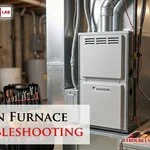
If your heating system fails to start or blows cold air, effective daikin furnace troubleshooting begins with checking your thermostat settings, power supply, and air filter for common blockages. Most issues stem from simple power interruptions or clogged intake paths rather than complex mechanical failures. By verifying these basics, you can often restore heat without needing a professional technician.
Why your Daikin furnace stopped heating
The most frequent cause of a furnace outage is a tripped circuit breaker or a blown fuse. Your furnace requires a dedicated electrical circuit to operate, and if the system draws too much power or experiences a surge, the safety switch in your home’s electrical panel will cut the connection. If the breaker isn’t the issue, check the furnace service switch, which often looks like a standard light switch located on or near the unit.
Another common culprit is a dirty air filter that restricts airflow. When the filter is clogged with dust and debris, the system’s safety sensors detect high heat buildup and shut the burners down to prevent damage. This is a deliberate safety feature designed to stop the equipment from overheating. You should inspect your filter monthly during the heating season to ensure it allows enough air to pass through for the blower motor.
Finally, the flame sensor may be dirty or faulty, preventing the furnace from staying lit. The sensor detects if a flame is present; if it cannot “see” the fire, it shuts off the gas supply within seconds for safety. This often happens after a long period of inactivity or if the combustion chamber has accumulated soot. If the unit attempts to ignite but clicks off immediately, this sensor is the most likely point of failure.
Safety: Inside a mains-powered machine, the parts behind the outer cover can hold a dangerous electrical charge even after it has been unplugged — that’s why they sit behind a cover. Opening the housing, or testing or replacing anything behind it, is a job for a qualified technician, never a home repair.
Reset the power and safety switches
If the system is completely unresponsive, you must first verify the status of the power supply. Start by checking your home’s main breaker panel to see if the switch labeled “furnace” or “HVAC” has moved to the “off” or “tripped” position. If it has, flip it fully to “off” and then back to “on” to reset it. If it trips again immediately, don’t force it; this indicates a short circuit that requires a qualified professional to inspect.
Next, locate the service switch on the side of the furnace cabinet. People often bump this switch while cleaning the basement or storage area, unknowingly turning off the unit. Ensure it’s in the “on” position. If the furnace still doesn’t respond, check the door panel to ensure it’s pushed in fully. Many models have a safety interlock switch that cuts power if the panel is even slightly loose.
If you have performed these checks and the system remains silent, verify that your thermostat is set to “heat” and the temperature is at least 5 degrees higher than the current room temperature. A thermostat that’s set to “cool” or is malfunctioning will prevent the furnace from receiving the signal to start. If the display is blank, replace the batteries before assuming the furnace itself is the source of the failure.
Replace the air filter
Restricted airflow is the most common reason for short-cycling, where the furnace turns on and off too frequently. You must replace the air filter to ensure the blower motor can move air efficiently across the heat exchanger. This is a simple task that protects the motor from strain and ensures your home stays warm throughout the winter.
To replace the filter, first turn off the power at the service switch to prevent the fan from pulling in debris while the unit is open. Locate the filter rack, which is usually found where the return air duct meets the furnace cabinet. Slide the old filter out and check the size printed on its frame. You must replace it with a filter of the exact same dimensions to maintain a proper seal.
Pay attention to the airflow arrow printed on the filter frame. This arrow must point toward the furnace blower, not away from it. If you install it backward, the filter can collapse or block airflow, causing the system to overheat again. Once the new filter is properly seated, close the panel and turn the power switch back on. Wait about 10 minutes for the internal safety timers to reset before testing the heat.
Clean the flame sensor
If the furnace lights up but shuts off after a few seconds, the flame sensor likely has a layer of carbon buildup. This sensor is a thin metal rod located near the burners. When it becomes coated in soot, it can’t detect the flame, causing the control board to shut off the gas valve to prevent unburned gas from accumulating.
Accessing this sensor requires removing the burner cover. Once you have access, locate the single rod with a wire attached to it. Carefully unscrew the mounting screw and pull the sensor out. You can clean it by gently rubbing the metal rod with a fine-grit emery cloth or a non-metallic scouring pad. Don’t use sandpaper, as it can leave residue that makes the problem worse.
After cleaning, wipe the rod with a clean, dry paper towel to remove any dust. Reinstall the sensor, ensuring the wire is firmly connected. If the burner still shuts off after cleaning, the sensor may be permanently damaged and require a replacement part. For further guidance on maintaining your equipment, refer to the Daikin furnace user manuals to see specific diagrams for your model.
What not to do
- Never attempt to clean or adjust internal electrical components. Touching internal wiring, circuit boards, or capacitors can lead to dangerous electrical shocks or permanent damage to the control system.
- Don’t bypass safety switches. Using tape or wire to hold a door panel switch closed is a fire hazard that removes the furnace’s ability to protect itself from overheating.
- Avoid using high-pressure air to blow out burners. This can force debris into delicate ports or damage the igniter, turning a minor cleaning task into a significant repair bill.
- Don’t attempt to adjust the gas pressure. Gas valves are calibrated at the factory; changing these settings without specialized pressure gauges can result in improper combustion or dangerous carbon monoxide levels.
- Never leave the furnace cover off while the unit is running. The cover is designed to contain the combustion process and ensure proper airflow through the heat exchanger.
How to stop it happening again
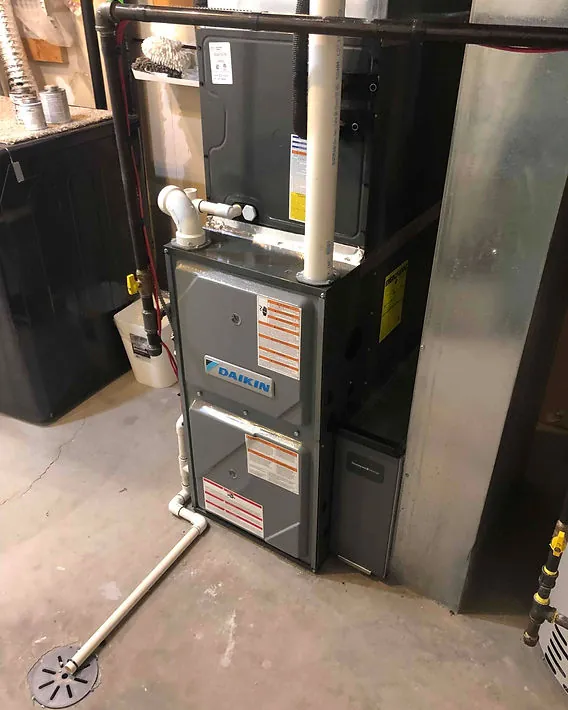
Consistent maintenance prevents most furnace issues from recurring during the peak of winter. By following a simple schedule, you can keep the system running reliably and avoid the cost of emergency service calls.
| If you’re doing this | Do this instead | Why |
|---|---|---|
| Changing filters once a year | Change filters every 90 days | Prevents dust buildup and motor strain |
| Ignoring unusual clicking sounds | Call a professional immediately | Early detection prevents major part failure |
| Leaving vents closed in unused rooms | Keep all supply vents open | Maintains proper airflow and pressure balance |
| Using the lowest-cost filters | Use mid-range pleated filters | Better filtration without restricting airflow |
| Waiting for a total system failure | Schedule an annual tune-up | Finds worn parts before they break down |
Many homeowners make the mistake of closing vents in spare rooms to save money. This creates backpressure that forces the blower motor to work harder, often leading to a cracked heat exchanger. If you feel uneven heating, check your return air grilles first. If they’re blocked by furniture, your furnace is starving for air.
Use this decision rule: if your furnace is aging, schedule your professional tune-up in early September. If the unit is newer, you can wait until October. Waiting until the first freeze costs you a premium, as technicians are often booked out for weeks.
Frequently asked questions
Can I fix a Daikin furnace myself?
You can perform basic troubleshooting like resetting the power, replacing the air filter, or cleaning the flame sensor. These tasks address the most common causes of failure. However, if the issue involves the gas valve, blower motor, or control board, contact a licensed HVAC technician.
Why is my furnace blowing cold air?
Your furnace is likely blowing cold air because the burners failed to ignite or the safety sensors triggered a shutdown. Check if your thermostat is set to “auto” and inspect your air filter or gas supply valve. If the unit continues to blow cold air, contact a professional.
How often should I change my furnace filter?
You should change your furnace filter every 3 months during the heating season to ensure the system breathes properly. If you have pets or live in a dusty area, you may need to check it more frequently. Never run the furnace without a filter installed to prevent damage.
Is it safe to run the furnace if the breaker keeps tripping?
No, it isn’t safe to run the furnace if the electrical breaker trips repeatedly. A tripping breaker indicates an electrical short or overloaded circuit, which poses a fire hazard. Call a licensed electrician or HVAC professional to diagnose the fault before using the system again.
What happens if I ignore a noisy furnace?
Ignoring a noisy furnace often leads to a total system breakdown and expensive repair costs. Clicking sounds may indicate a failing igniter, while squealing or grinding noises often point to worn-out blower motor bearings. Early detection allows for the replacement of a single part rather than the entire assembly.
How long does a furnace flame sensor last?
You don’t need to replace a flame sensor on a set schedule. Only clean or replace it if the furnace begins to short-cycle or fails to ignite. If you find yourself cleaning the sensor frequently, it’s a sign that the rod is wearing out.
Conclusion
If your home still feels chilly after these checks, don’t hesitate to contact a certified HVAC specialist. They’ll have the right tools to diagnose deeper internal issues safely. You shouldn’t have to shiver through the winter, so reach out for help if you’re still stuck. It’s worth getting things running smoothly.