To restore your video feed and alerts, the most common fix for dbc835-adt doorbell camera troubleshooting is to power cycle the device by turning off the circuit breaker for 30 seconds before switching it back on. Connection drops often stem from a weak Wi-Fi signal or an outdated firmware version rather than hardware failure. If you’re experiencing persistent issues with your device, you should check your home network stability and ensure the camera is within range of your router to maintain a steady signal.
Troubleshoot doorbell camera connection issues
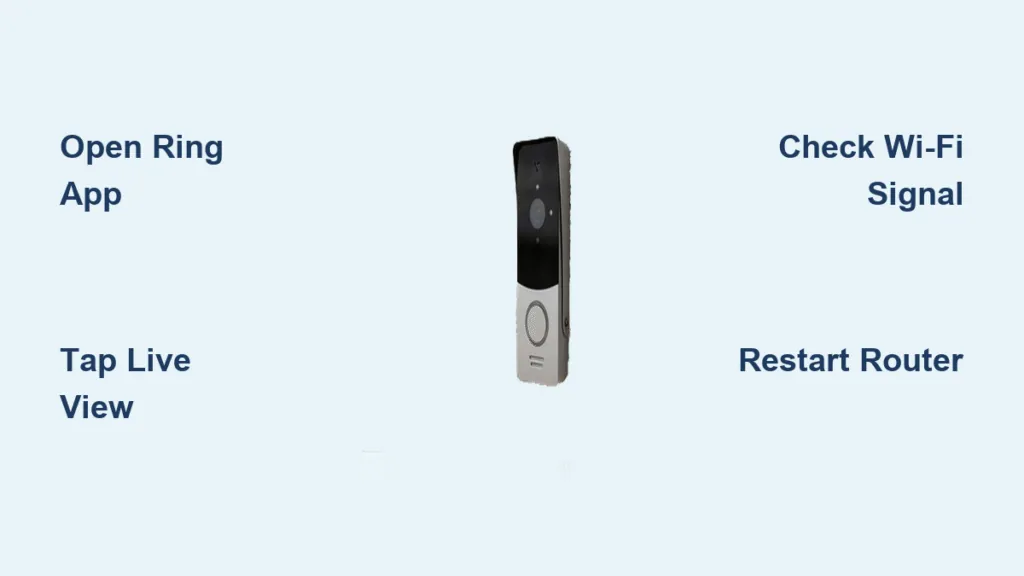
The primary reason your doorbell stops responding is a loss of communication between the device and your local wireless network. When the signal strength is low, the camera can’t upload video data to the cloud, leading to offline status messages in your app. This often happens if you have recently changed your Wi-Fi password or if there’s physical interference from thick walls or metal objects between the router and the porch.
Another frequent cause is insufficient power reaching the unit. These cameras require a specific voltage range to operate their internal Wi-Fi radios and night vision sensors. If your existing doorbell transformer doesn’t meet the minimum requirements, the camera may restart repeatedly or fail to connect entirely. You can verify the power specifications on the ADT official support page to see if your hardware matches the needed output.
Finally, outdated software can lead to glitches. If the camera hasn’t received an automatic update, it might struggle to communicate with the latest version of the mobile application. This is especially true after major operating system updates on your smartphone, which can break compatibility with older camera firmware. If you can’t resolve the issue through a power cycle, the problem might be an internal hardware fault that requires a professional assessment.
Safety: Inside a mains-powered machine, the parts behind the outer cover can hold a dangerous electrical charge even after it has been unplugged — that’s why they sit behind a cover. Opening the housing, or testing or replacing anything behind it, is a job for a qualified technician, never a home repair.
Power Cycle Your Doorbell Device
If your camera has stopped recording or showing a live view, start by performing a hard reset through the power source. Locate the breaker box in your home and find the switch labeled for your doorbell or front entry. Flip the switch to the “Off” position and wait for 30 full seconds. This allows the device to perform a full power-on reset, which clears temporary software errors that cause the device to hang.
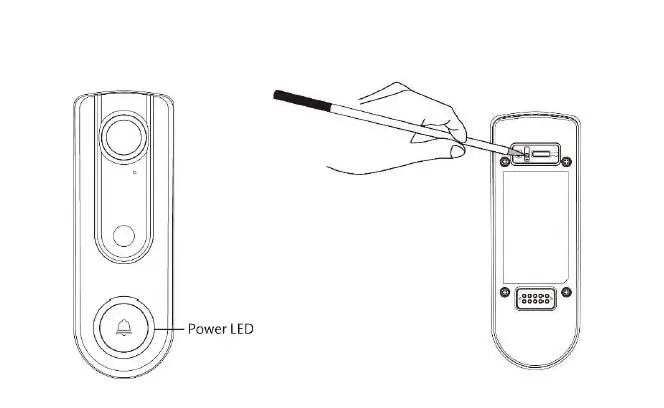
After the wait, turn the breaker back to the “On” position. Watch the LED light on the front of the doorbell. It should begin to blink or change color as it attempts to re-establish a handshake with your Wi-Fi network. This process can take up to 5 minutes to complete. Don’t press any buttons or attempt to re-pair the device while the light is flashing, as this can interrupt the connection sequence.
This fix is intended for users who have a stable home network but a camera that has simply stopped responding. If you have a history of electrical surges or if your doorbell wiring is older than 15 years, it’s possible the transformer itself is failing. In that case, don’t attempt to replace the wiring yourself; contact a licensed electrician to avoid the risk of electrical shock or fire hazards.
Update Your Wireless Network Settings
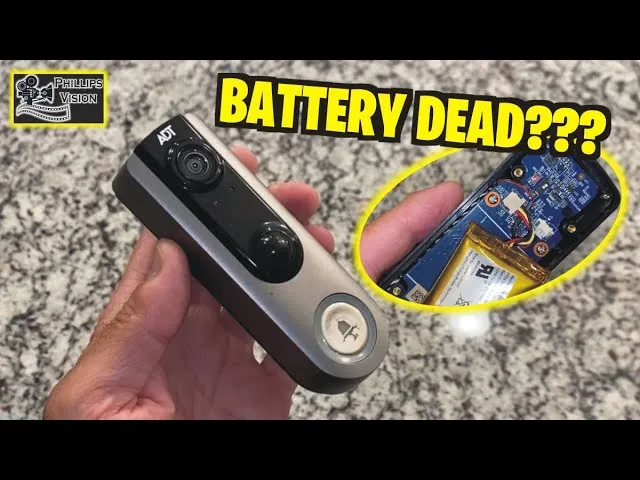
If the camera is powered but remains offline, the issue is likely a mismatch between your router and the device. If you have recently installed a new router or changed your network name, the doorbell won’t be able to find the internet.
You’ll need to use the mobile application to update the Wi-Fi credentials manually. If you’re using a dual-band router, ensure the camera is connecting to a 2.4GHz network, as many of these devices don’t support the faster 5GHz band.
To perform this update, open the app and navigate to the device settings menu. Look for an option labeled “Update Wi-Fi” or “Network Setup.” You’ll likely need to be within a few feet of the doorbell to finish the pairing process.
The app will guide you through selecting your network and entering the password again. If the app fails to find the camera during this search, move your router closer or use a Wi-Fi range extender to see if the signal strength is the limiting factor.
This step isn’t for users who have no power at all, as it requires the device to be active enough to broadcast a signal. If you find that you need to re-pair the device more than once a month, your router is likely struggling to maintain a constant connection. In this scenario, you should upgrade your router or add a dedicated mesh access point near the front door to provide a more reliable signal.
Inspect Your Physical Mounting Hardware
Sometimes the camera is working, but it’s physically loose, which causes the internal pins to lose contact with the base plate. A camera that isn’t seated perfectly flush against the wall mount will suffer from intermittent power loss. Check the mounting screws at the top and bottom of the unit. If they’re loose, the vibration from closing your door can cause the device to disconnect or reboot.
Use a small screwdriver to tighten the mounting screws until the unit is firm against the bracket. If the bracket itself is bent or the plastic tabs are worn down, the electrical connection will remain unreliable regardless of how tight the screws are. In this case, you should order a replacement mounting kit. You can tell if this is the fix because the camera will stop dropping its connection once the physical contact pins are held firmly in place.
This fix is for users who notice their camera only goes offline when the door is slammed or during windy weather. It isn’t for users experiencing software errors or authentication failures. If you find that the mounting bracket is cracked or the wires behind it are frayed, don’t attempt to repair the wiring with electrical tape. Exposed wires near a metal doorbell casing pose a significant safety risk, and you should call a professional technician to replace the mounting assembly.
Avoid These Common Troubleshooting Mistakes
- Don’t press the “Reset” button on the back of the camera repeatedly, as this can force the device into a factory state and wipe your saved video clips.
- Avoid using a third-party power adapter that doesn’t match the voltage rating of the original, as this can permanently damage the camera’s internal circuitry.
- Don’t attempt to open the exterior housing of the camera, as this voids your manufacturer warranty and exposes you to sensitive electronic components that aren’t user-serviceable.
- Refrain from using metallic cable staples to secure the wiring, as these can pierce the wire insulation and create a short circuit that trips your transformer.
Prevent Future Connection Problems
| If you’re doing this | Do this instead | Why |
|---|---|---|
| Leaving the router hidden | Position router centrally | Walls and floors block signals |
| Using a shared network | Use a dedicated guest network | Reduces traffic for the camera |
| Ignoring app notifications | Update app immediately | Prevents compatibility errors |
| Relying on old wiring | Test voltage with a pro | Old wires lose power over time |
If your camera is more than 30 feet from the access point, install a mesh node rather than relying on a signal repeater. Repeaters often halve your available bandwidth, creating a bottleneck that causes video lag.
A common mistake is keeping the camera on a 2.4GHz band congested by smart appliances. If your router supports dual-band technology, ensure the camera is connected to the 2.4GHz band, as it provides better range and wall penetration than 5GHz. If the connection drops frequently during peak evening hours, your router’s processor is likely overwhelmed by too many devices.
Frequently asked questions
How long does it take for the camera to reconnect after a power cycle?
The camera typically takes 3 to 5 minutes to reboot and reconnect to your network. This process depends on a strong Wi-Fi signal and no pending firmware updates. If the error light persists beyond 10 minutes, you must re-run the setup process in your mobile application.
Why is my doorbell camera showing a black screen?
A black screen indicates the camera is powered but lacks sufficient bandwidth to transmit video. This usually occurs when multiple devices stream high-definition content simultaneously. Ensure your upload speed meets the minimum 2 Mbps requirement to maintain a stable live feed.
Is it safe to leave the camera plugged in if it keeps going offline?
You can safely leave the device plugged in, though it provides no security coverage while offline. Frequent power cycling can cause internal component fatigue during the boot sequence. If the device remains offline more than 20% of the time, resolve the underlying network or power issues to prevent hardware failure.
How do I know if my transformer is failing?
A failing transformer is likely if the camera works during the day but disconnects when infrared night vision activates. Night vision requires significantly more power than standard operation. If your camera consistently drops when it gets dark, the transformer can’t supply the peak power needed for full features.
Can I fix a loose doorbell bracket myself?
You can tighten the bracket screws yourself, but avoid over-tightening to prevent stripping the wall anchors. If the bracket or plastic is damaged, replace the mounting plate rather than attempting repairs. A secure, level mount is essential for maintaining the weatherproofing seal and preventing water damage.
Conclusion
Regular maintenance of your network environment and ensuring the doorbell is securely mounted will resolve the vast majority of connection issues you might face. If you have followed these steps and the device remains unresponsive, you have likely ruled out the common environmental factors. At this point, the fault is likely internal, and you should contact ADT support to discuss potential hardware replacement options under your service agreement.