You can fix most water delivery issues by checking your power supply and pressure gauge, as deep well pump troubleshooting starts with confirming the system has electricity and a stable pressure reading. If the water stops suddenly, the most frequent cause is a tripped circuit breaker or a blown fuse. Before you open any panels or touch electrical wires, verify that your home’s main panel is receiving power, and check the pressure gauge near your tank to see if it’s stuck at zero or fluctuating.
Troubleshoot deep well pump failures
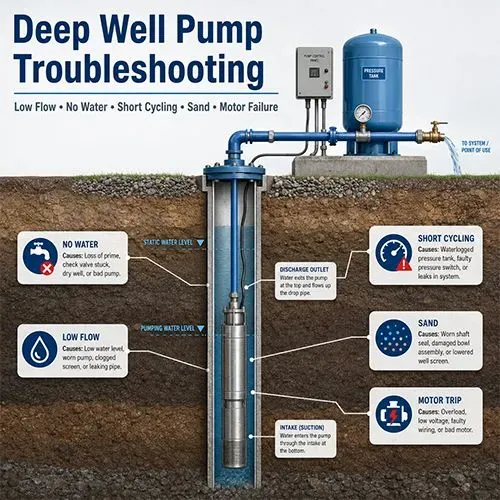
Water delivery problems usually stem from electrical failures, mechanical wear, or changes in your local water table. When a pump stops working, it’s often because the motor has overheated or the control box has a fault that cuts power to prevent fire. If you hear the motor humming but no water reaches the faucet, the issue is likely a mechanical blockage or a broken pipe inside the well casing.
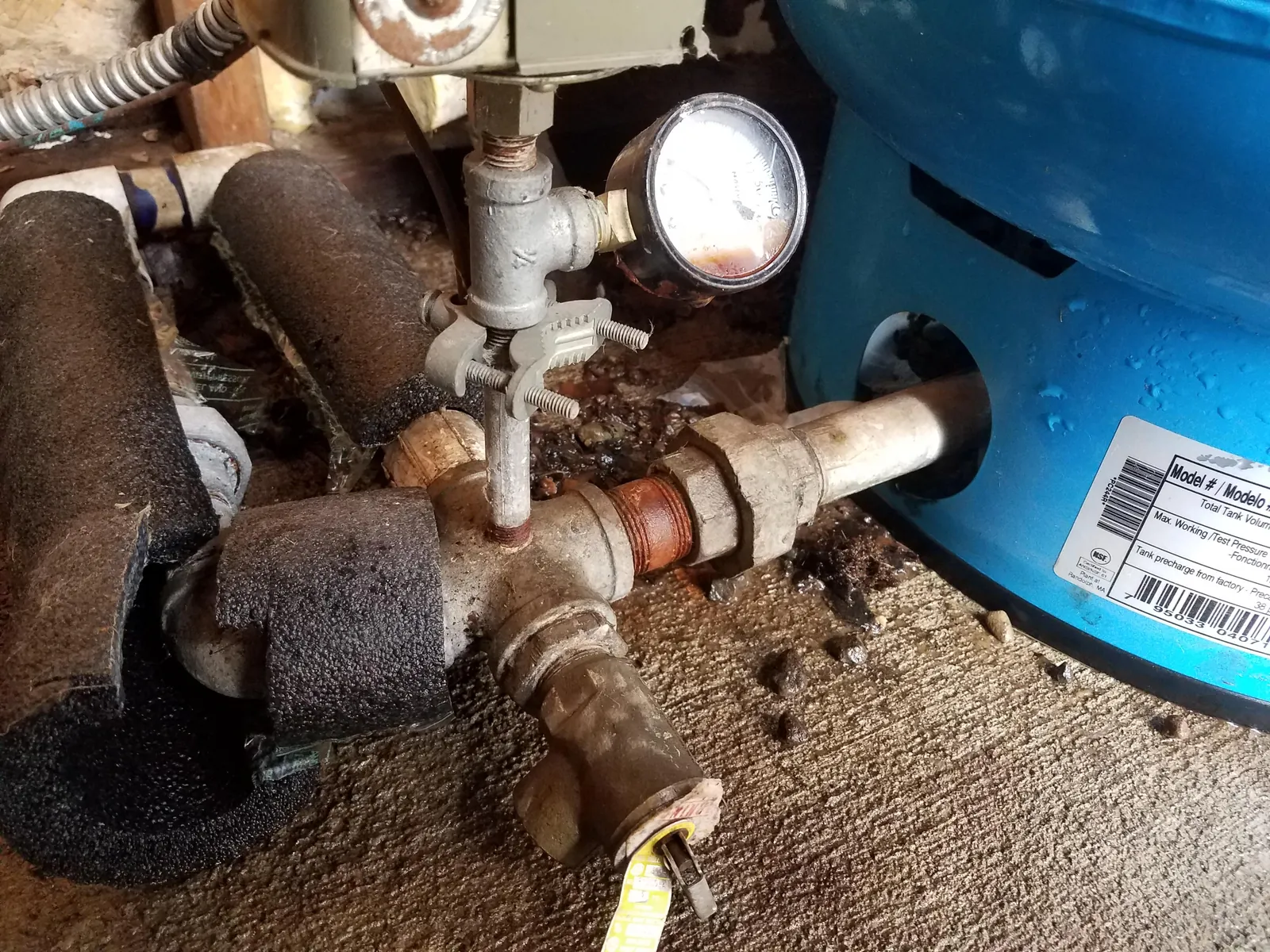
Another common cause involves the pressure switch. This device tells the pump when to turn on and off based on the pressure in your tank. If the contacts inside the switch are dirty or corroded, the pump may never receive the signal to start.
You can often see this by looking at the pressure gauge; if the needle stays low even when the pump sounds like it’s running, the system might have lost its prime or developed a leak in the drop pipe.
External factors also play a part. During dry seasons, the water level in your well can drop below the intake of the pump. If your pump is suspended too high, it may pull air instead of water.
The Environmental Protection Agency provides guidelines on how to monitor your well and ensure your system remains safe and functional. If your neighbors are also having water issues, the problem could be a regional power outage or a drop in the local aquifer level.
Check the electrical connections
If your pump is silent, start by checking the power supply at the main breaker box. You should look for a tripped breaker that feels loose or sits in the middle position between “on” and “off.”
Flip it firmly to the “off” position and then back to “on” to reset it. This fix is for homeowners who have a standard single-phase electrical system; if you have a three-phase system, you must call a licensed electrician, as these setups carry higher voltage risks.
Check the wires leading to the pressure switch and the control box for any signs of melting or burning. If you smell plastic or see black marks on the wall near the control box, don’t touch the equipment.
You should turn off the main power to the pump circuit immediately and contact a professional technician. A mistake people often make is trying to bypass the pressure switch by holding the contacts closed, which can cause the motor to burn out instantly if the pump is already jammed.
You’ll know this worked if the pump starts up as soon as the breaker is reset. If the breaker trips again within a few minutes, the motor itself likely has an internal short circuit. Don’t try to reset the breaker more than twice. If it continues to trip, the pump needs professional testing to see if the motor windings have failed.
Inspect the pressure tank settings
When the pump runs constantly but no water flows, the issue is often a lack of pressure in the tank. A pressure tank uses a cushion of air to force water into your home’s pipes.
If the air bladder inside the tank breaks, the pump will cycle on and off too quickly, which eventually ruins the motor. You can check the tank by tapping on the side; the top half should sound hollow, while the bottom half should sound solid and heavy.
If the tank sounds completely full or completely empty, the air pressure is likely wrong. You can find the correct air pressure setting on the manufacturer’s label on the side of the tank. Use a standard tire gauge on the air valve at the top of the tank to measure the pressure.
If the reading is lower than the recommended amount, you can use a bicycle pump to add air. This fix is for those who have a standard bladder-style tank; if your tank is an older galvanized model without a bladder, you shouldn’t attempt to adjust the air levels yourself.
This fix isn’t for people with signs of rust or deep pitting on the tank exterior, as pressurized tanks can rupture if they’re structurally compromised. If you see water leaking from the air valve, the internal bladder has failed and the bladder or the tank must be replaced. You’ll know the pressure adjustment worked if the pump cycles less frequently and your water flow stays steady during use.
Reset the system pressure switch
The pressure switch is the brain of your well system, and it sometimes gets stuck due to sediment buildup in the pipe leading to the switch. If your pump won’t turn on even when the pressure in the tank is very low, the switch may be failing to sense the demand.
You can gently tap the side of the switch housing with a screwdriver handle to see if the internal contacts are just stuck. Never use a metal tool to push on the electrical components inside the switch.
This fix is for systems that are currently powered on and have a clear, visible pressure gauge. If the gauge shows that the pressure is well above the “cut-in” setting—usually 30 or 40 pounds per square inch—and the pump isn’t running, the switch is working correctly and the problem lies elsewhere. If you don’t know your system’s specific cut-in setting, look for the label on the switch housing or check the paperwork provided by your well installer.
This is a temporary measure for a failing switch. If you have to tap the switch more than once to get water, the device is nearing the end of its life and needs to be replaced.
Because this involves working near live electrical terminals, you must ensure the power is off at the breaker before you attempt to clean, inspect, or perform any maintenance on the switch. If you aren’t comfortable working with electrical components, hire a plumber or a well specialist to handle the replacement.
Avoid common repair mistakes
- Replacing the fuse with a larger size. Doing this bypasses the safety limit, which can cause your home’s wiring to overheat and start a fire.
- Running the pump without water. Allowing the pump to run dry for more than a few minutes will destroy the internal seals and the motor bearings.
- Ignoring a leaking pipe. Small leaks in the drop pipe cause the pump to work twice as hard, which shortens its lifespan by years.
- Adjusting the pressure switch blindly. Turning the nuts on the switch without knowing the manufacturer’s specs can cause the pump to run at pressures higher than your home’s plumbing can handle.
- Touching internal electrical contacts. Many internal parts carry high voltage even when the pump isn’t running, and accidental contact can cause serious injury.
Prevent future well issues
You can avoid most problems by monitoring your system’s performance and scheduling routine inspections. When you notice the pump running longer than usual, it’s time to check for leaks or low water levels in the well. The following table shows how to identify and address common symptoms before they become major repairs.
| If you’re doing this | Do this instead | Why |
|---|---|---|
| Ignoring a flickering light | Check the pump breaker | Electrical surges often point to a failing motor |
| Waiting for no water | Check pressure gauge monthly | Catching a drop in pressure saves the motor |
| Using high-flow sprinklers | Install a flow restrictor | Excessive demand causes the pump to cycle often |
| Resetting the breaker daily | Call a professional technician | Repeated trips mean the motor is failing |
Frequently asked questions
How long should a deep well pump last?
A deep well pump typically lasts between 10 and 15 years when sized correctly. Lifespan depends heavily on cycle frequency, as frequent starting wears out the motor. Check service records to estimate your unit’s remaining life.
Is it safe to reset a tripped breaker?
You can safely reset a tripped breaker once to see if the issue was a temporary surge. If it trips again, leave it off and call a professional, as this indicates a permanent electrical fault. Never force a breaker to stay on, as this creates a fire hazard.
Why is my pump making a loud humming sound?
A loud humming sound means the pump motor is struggling to start or is mechanically jammed. This is often caused by a bad start capacitor or sediment buildup. Turn off the power immediately and contact a technician to prevent the motor from burning out.
How much does it cost to replace a pump?
The cost of replacing a pump varies based on well depth, horsepower, and local labor rates. Because the process requires specialized equipment like a hoist truck, prices include both hardware and labor. Request quotes from at least two licensed contractors to understand typical pricing.
Can I fix a pump if the water is cloudy?
Cloudy water indicates the pump is pulling silt or sand, often due to a failing screen or dropping water table. Don’t attempt to fix this yourself, as the well may require professional cleaning. Running a pump in sandy water will damage the impellers and cause failure.
How do I know if the well is dry?
You can determine if a well is dry by checking the water level or observing if the pump cycles without moving water. If only your home is affected, the pump may be hanging too high. A technician must measure the static water level to confirm the status.
Conclusion
If you find that the pump requires mechanical repair beyond a simple switch or breaker fix, it’s time to call a professional. Working with well equipment requires heavy-duty tools to pull the pump from deep underground, and a technician can ensure the job is done without damaging your well casing. Following these steps helps you manage your system safely and prevents small issues from turning into expensive emergencies.