Is your well pressure tank acting up and causing water flow problems? You rely on this essential device every day, but when it stops working right, it can disrupt your entire water system.
Don’t let frustration take over—understanding how to troubleshoot your well pressure tank can save you time, money, and stress. You’ll discover simple, effective steps to identify and fix common issues quickly. Keep reading to regain full control of your water pressure and ensure your system runs smoothly again.
Identifying Pressure Tank Problems
Identifying problems with your well pressure tank is key to keeping your water system working well. Problems can cause low water pressure, strange noises, or water surges. Catching these signs early helps avoid bigger issues and costly repairs. Below are common signs that show your pressure tank may need attention.
Signs Of Low Pressure
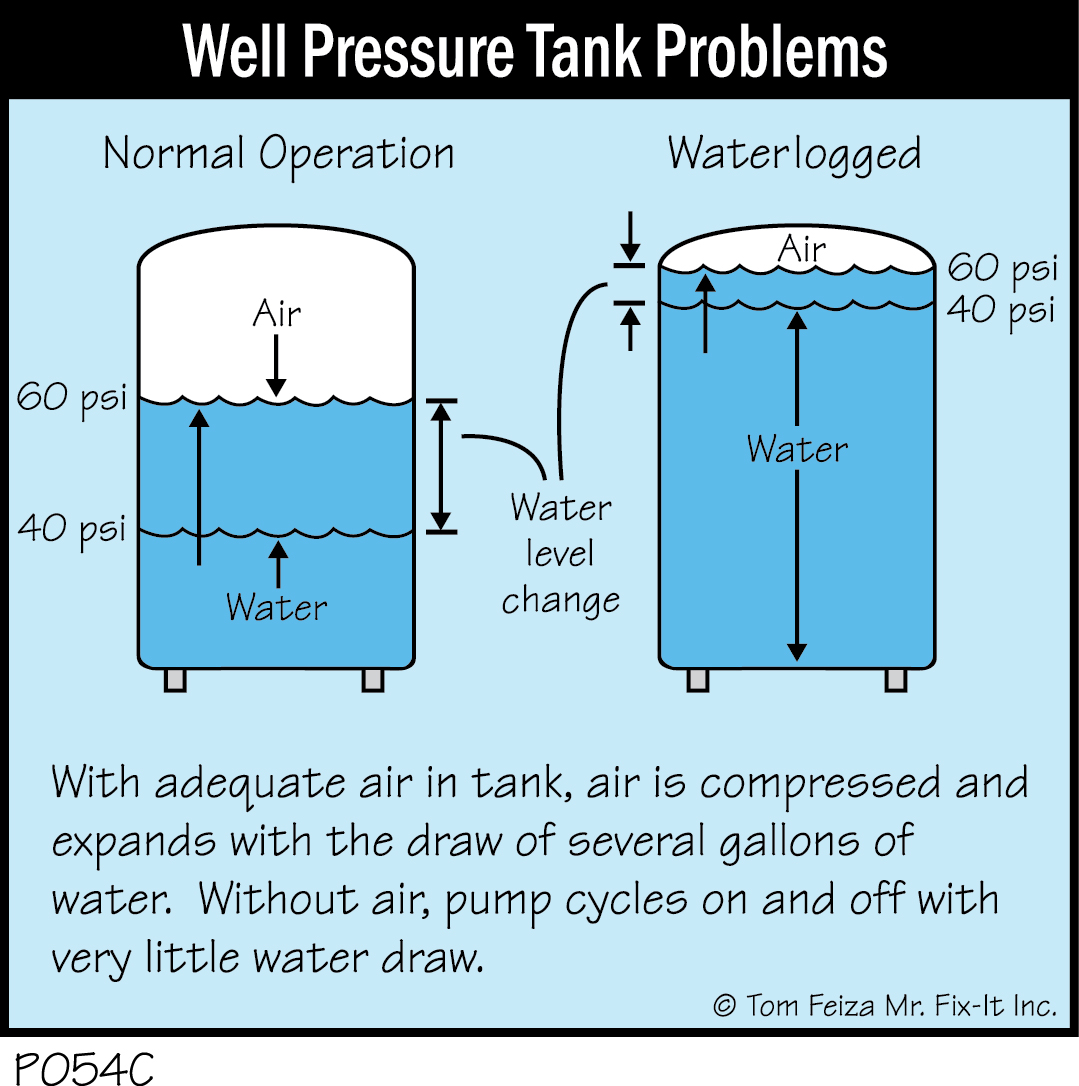
Low water pressure is a common sign of tank trouble. You may notice weak water flow from taps and showers. This happens when the tank cannot hold enough pressure. It can be due to air loss inside the tank or a waterlogged tank. Check your water pressure regularly to spot any drop early.
Water Surges And Fluctuations
Water surges feel like sudden bursts or drops in water flow. This uneven flow happens when the pressure tank fails to maintain steady pressure. It may cause your water pump to turn on and off more often. Surges can damage pipes and appliances over time. Watch for these changes to protect your home’s water system.
Unusual Noises From The Tank
Strange sounds from the pressure tank signal a problem. You might hear banging, knocking, or hissing noises. These sounds often come from air or water pressure issues inside the tank. Noises can also mean the tank is rusting or has a broken component. Listen carefully to your tank for any odd sounds.
Checking The Air Charge
Checking the air charge in a well pressure tank is important. It helps keep the tank working properly. The air pressure inside the tank supports water pressure. Too much or too little air can cause problems. Knowing how to check and adjust the air charge can save time and money.
Using A Pressure Gauge
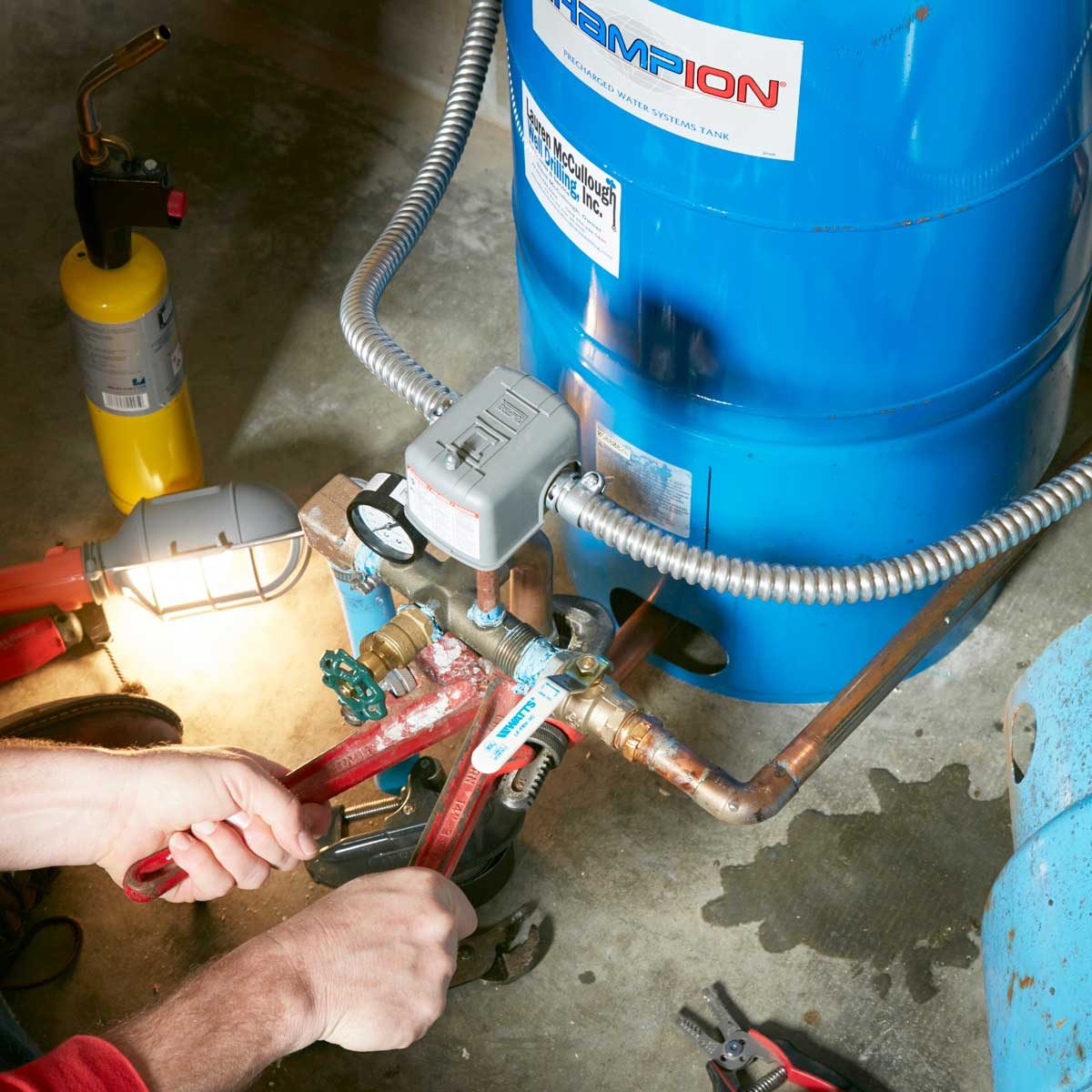
Start by turning off the pump. Drain water from the tank to stop pressure. Find the air valve on the tank. Use a pressure gauge to check air pressure. Press the gauge onto the valve stem firmly. Read the pressure shown on the gauge. This number shows how much air is in the tank.
Adjusting Air Pressure
If the air pressure is too low, add air with an air compressor or pump. If it is too high, release some air by pressing the valve stem. Check the pressure often while adjusting. Keep the air pressure about 2 psi below the pump cut-in pressure. This balance helps the system work well and last longer.
When To Add Air
Add air when the pressure is below the recommended level. Low air pressure causes the pump to run too often. It also leads to waterlogged tanks and poor water flow. Check the air charge regularly, especially if the pump cycles quickly. Keeping the right air pressure saves energy and extends pump life.
Inspecting The Tank For Leaks
Inspecting the tank for leaks is a key step in well pressure tank troubleshooting. Leaks can cause low pressure and water loss. Finding leaks early prevents bigger problems and costly repairs.
Checking the tank carefully helps keep your water system working well. Look closely at the tank surface and connections. Small leaks can be hard to see but cause trouble over time.
Visual Leak Detection
Start by examining the tank’s exterior. Look for wet spots, rust, or corrosion. These signs often show where water escapes. Check around pipe fittings and valves. Any moisture or drips point to leaks.
Use a dry cloth to wipe areas and watch for fresh water. Inspect the tank base too, where leaks often gather. Shine a flashlight to see in dark or hidden spots. Catch leaks early to avoid water damage.
Testing For Internal Leaks
Internal leaks can hide inside the tank walls. Check pressure regularly using a pressure gauge. A drop in pressure without water use may mean a leak inside.
Turn off the pump and watch pressure for 30 minutes. If pressure falls, air or water is escaping inside the tank. Another method uses soapy water on joints. Bubbles show where gas or water leaks.
Internal leaks reduce tank life and water efficiency. Detecting them early saves money and keeps water pressure steady.
Examining The Pressure Switch
The pressure switch controls your well pressure tank’s pump. It turns the pump on and off to keep water pressure steady. Checking the pressure switch is key to fixing many common problems. You can spot issues early and avoid costly repairs. Start by examining its settings and condition carefully.
Switch Settings And Calibration
Check the cut-in and cut-out pressure settings on the switch. These numbers tell the pump when to start and stop. Use a small screwdriver to adjust the nuts on the switch. Set them to match your tank’s recommended pressure. Correct settings keep your system running smoothly. Wrong settings cause the pump to run too much or too little.
Cleaning And Repairing Contacts
Turn off the power before touching the switch contacts. Dirty or worn contacts can stop the pump from working. Use fine sandpaper or a contact cleaner to clean the metal parts. If contacts are badly damaged, replace them. Good contacts ensure the switch sends the right signals. Clean contacts prevent pump failures and water pressure drops.
Addressing Waterlogged Tanks
Waterlogged pressure tanks cause many issues in well systems. They reduce water pressure and stress the pump. Fixing this problem restores tank function and protects equipment. Understanding symptoms and proper draining helps maintain your tank’s health.
Symptoms Of Waterlogging
The tank feels heavy and full of water. Water pressure drops suddenly during use. The pump runs too often or for long times. Air noises or sputtering appear in faucets. These signs show the tank needs attention fast.
Draining And Recharging Techniques
Turn off the power to the pump. Open a faucet to release pressure. Locate the drain valve on the tank base. Slowly drain water until only air remains inside. Close the valve and refill the tank with air using a pump. Check the air pressure with a gauge. Set pressure to about two psi below the pump cut-in pressure. Restore power and test the system for normal operation.
Handling Rust And Corrosion
Rust and corrosion can damage your well pressure tank. These issues reduce the tank’s life and cause leaks. Rust weakens metal surfaces, leading to cracks and failures. Corrosion can block pipes and valves, affecting water flow. Early action helps protect your tank and water quality.
Preventive Measures
Keep your tank dry and clean to avoid rust. Inspect the tank regularly for any signs of corrosion. Use rust-resistant paint or coatings on the tank surface. Install a water softener to reduce minerals that cause corrosion. Check and maintain the anode rod to protect the tank’s metal parts. Drain the tank periodically to remove sediment buildup.
Tank Replacement Indicators
Look for visible rust patches on the tank surface. Notice leaks or water pooling near the tank base. Listen for unusual noises like banging or rattling. Check for pressure drops that do not improve with repairs. Watch for water discoloration or a metallic taste. These signs often mean it’s time to replace the tank.
Maintaining Your Pressure Tank
Maintaining your pressure tank is key to keeping your well system running smoothly. Regular care helps prevent issues and extends the tank’s life. Simple checks can save you from costly repairs.
Routine Inspections
Check your pressure tank every month. Look for rust, leaks, or dents on the tank surface. Listen for unusual noises when the pump runs. Check the pressure gauge to ensure it stays steady. Test the air charge in the tank with a pressure gauge. Proper air pressure keeps water flow steady and pump cycles normal.
Seasonal Care Tips
Before winter, drain the tank if it is outside. Insulate the tank to avoid freezing and damage. In spring, inspect for any cracks or leaks caused by cold weather. Clean around the tank to keep dirt and debris away. Adjust the air pressure after seasonal changes to maintain balance. Routine seasonal care prevents common problems with pressure tanks.
Credit: www.mrrooter.com
Frequently Asked Questions
What Causes Low Pressure In A Well Pressure Tank?
Low pressure often happens due to air loss inside the tank or a waterlogged tank. Check the air charge and refill it if needed. Also, inspect the tank for leaks or damage.
How Do I Check The Air Pressure In My Pressure Tank?
Use a tire pressure gauge on the tank’s air valve. The pressure should be 2 psi below the pump cut-in pressure. Adjust air as necessary for proper tank function.
Why Does My Well Pressure Tank Keep Cycling On And Off?
Rapid cycling means the tank has lost its air cushion or the pressure switch is faulty. Check the tank’s air charge and pressure switch settings to fix this issue.
Can A Waterlogged Pressure Tank Cause Pump Failure?
Yes, a waterlogged tank makes the pump work harder and can cause it to fail early. Draining the tank and recharging air can prevent this problem.
How Often Should I Maintain My Well Pressure Tank?
Regular checks every 6 months help keep the tank in good shape. Inspect air pressure, look for leaks, and test the pressure switch for best results.
Conclusion
Troubleshooting your well pressure tank can save time and money. Check the tank’s pressure regularly and listen for unusual noises. Look for leaks or signs of wear on the tank and pipes. Simple fixes often solve common problems quickly. Regular maintenance keeps your water system working well.
Knowing basic steps helps avoid bigger issues later. Stay calm and follow the guide to keep water flowing smoothly. Taking care of your tank protects your home’s water supply.