Is your garbage disposal acting up right when you need it most? You’re not alone.
When your disposal clogs, jams, or just won’t turn on, it can throw a wrench in your daily routine. But don’t panic—most disposal problems are easier to fix than you think. You’ll discover simple, step-by-step solutions to get your disposal running smoothly again.
Keep reading, and you’ll save time, avoid costly repairs, and regain confidence in handling these common kitchen mishaps yourself.
Common Disposal Problems
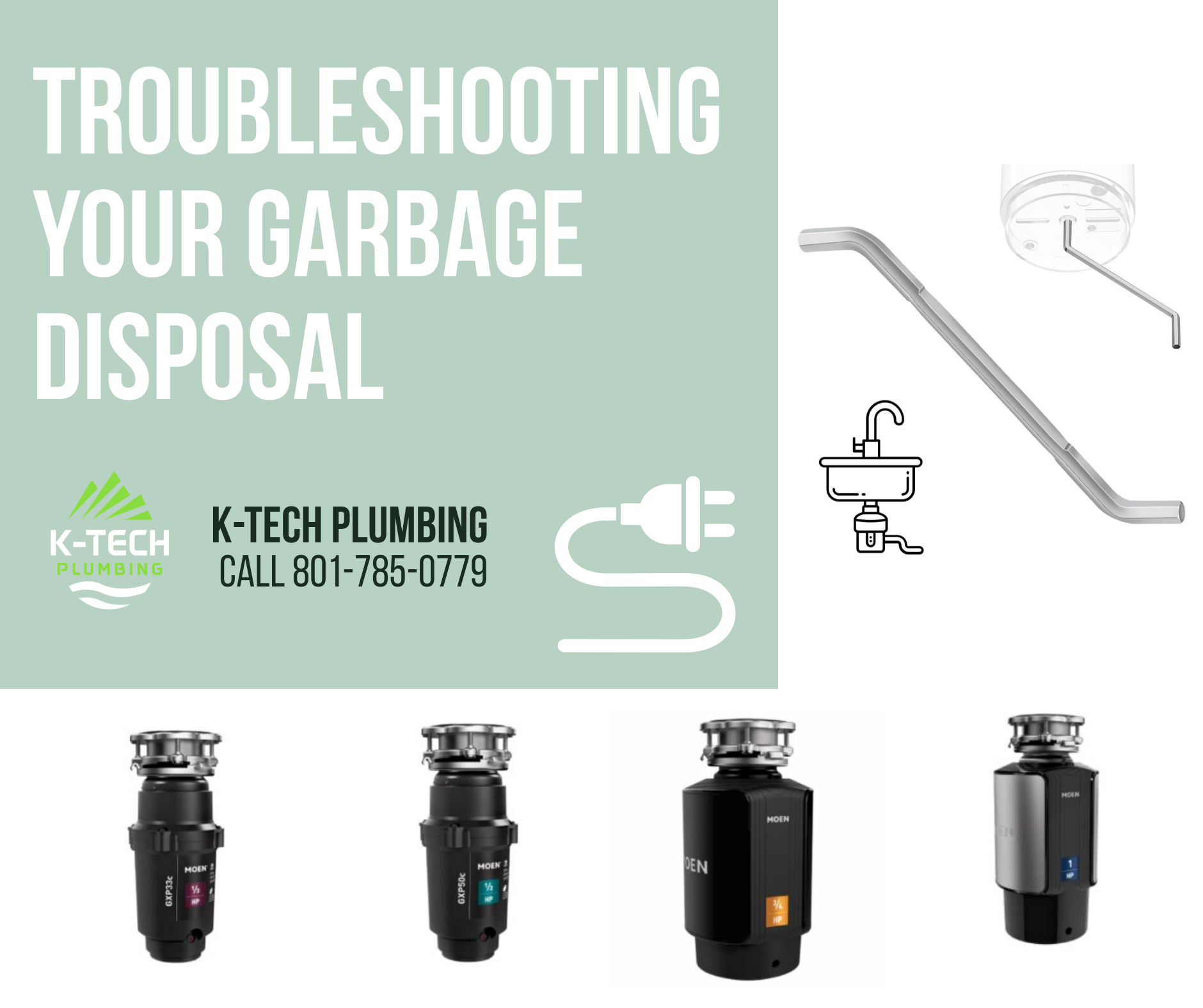
Garbage disposals make kitchen cleanup easier. They shred food waste quickly. Still, these devices can face common problems. Knowing these issues helps fix them fast. This saves time and money. Below are some frequent disposal troubles and how they show up.
Jammed Blades
Blades can get stuck by hard objects. Bones, fruit pits, or large pieces cause jams. The disposal may stop spinning. A humming sound might come from the unit. Never use your hand to clear jams. Use a wrench or the reset button instead.
Leaking Unit
Leaks often come from worn seals or loose connections. Water may drip under the sink. Check the drain pipe and mounting bolts. Tighten any loose parts carefully. If seals are damaged, they need replacement. Leaks can cause water damage if ignored.
Unusual Noises
Strange sounds often signal a problem inside. Grinding or rattling noises mean objects are stuck. Metal clinks may show loose parts. Turn off the disposal immediately. Remove any stuck items safely. Regular use of cold water helps avoid noises.
Disposal Won’t Start
The unit may fail to power on. Check if the disposal is plugged in. Press the reset button found below the unit. Circuit breakers could have tripped. Make sure the switch is on. Electrical issues might need professional help.
Safety Precautions
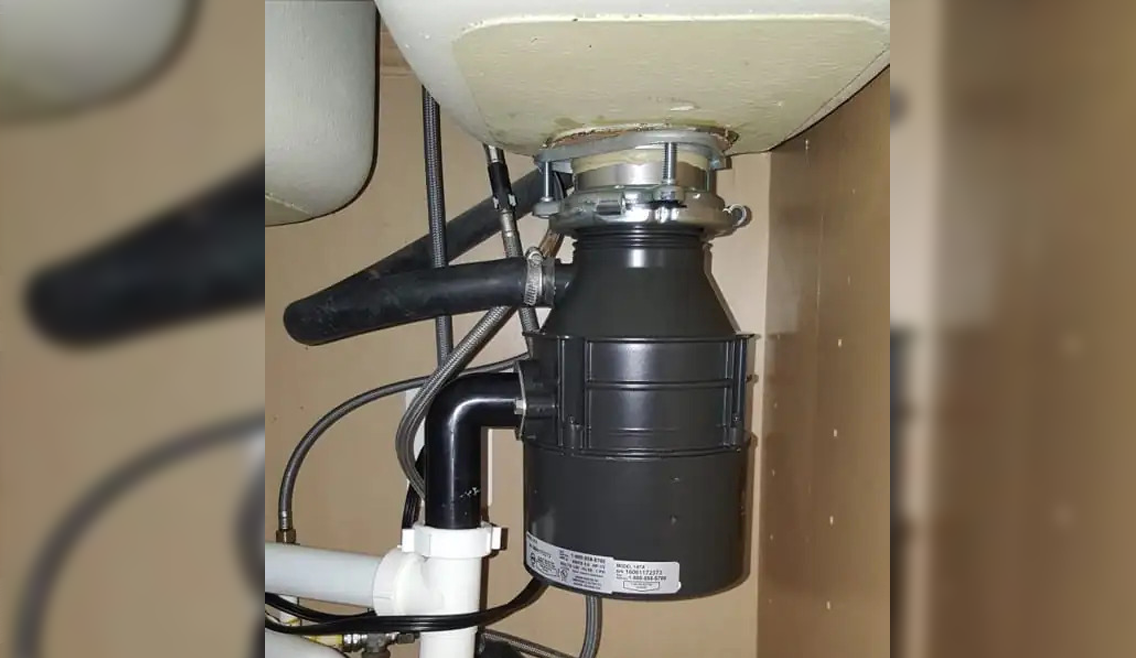
Safety is the top priority during disposal troubleshooting. Small mistakes can cause big problems. Taking the right precautions helps prevent injuries and damage. Always stay alert and cautious while working on your disposal.
Power Off Measures
Always turn off the disposal before starting any work. Unplug the unit or switch off the circuit breaker. This stops the disposal from running unexpectedly. Double-check the power is off before touching any parts.
Proper Tool Use
Use the right tools for each task. Avoid using your hands inside the disposal. Use pliers or a wrench to remove jams. Tools help you work safely and avoid cuts or scrapes.
Avoiding Electrical Hazards
Keep water away from electrical parts. Wet hands increase the risk of shocks. Inspect cords and plugs for damage before use. Do not use the disposal if wires are exposed or broken.
Clearing Jams Quickly
Clearing jams quickly in your garbage disposal saves time and stress. A jam can stop the disposal from working, causing inconvenience in your kitchen. Acting fast helps prevent damage and keeps your disposal running well. Follow these simple steps to fix jams safely and easily.
Using The Reset Button
Most disposals have a red reset button at the bottom. Press this button after clearing the jam. It helps restart the motor safely. Unplug the disposal before pressing the reset to avoid accidents. Wait a few minutes before resetting if the button won’t stay in.
Manual Blade Rotation
Turn the blades manually to free stuck objects. Use an Allen wrench in the hole at the bottom of the unit. Rotate the wrench back and forth gently. This clears the jam without damaging the motor. Never use your hands inside the disposal.
Removing Obstructions Safely
Always unplug the disposal before removing anything. Use tongs or pliers to pull out stuck items. Avoid putting your hands inside the disposal. Check for small objects like bones or utensils that cause jams. Cleaning the disposal regularly helps prevent blockages.
Fixing Leaks Fast
Fixing leaks fast helps prevent water damage and saves money. A leaking disposal can cause bad smells and waste water. Acting quickly stops small leaks from becoming big problems. This guide shows easy steps to fix leaks yourself. No special tools needed. Just follow these simple tips.
Identifying Leak Sources
First, find where the leak starts. Check under the sink for water drops. Look at the disposal unit and pipes. Watch closely while running the disposal. See if water drips from the top, side, or bottom. Pinpoint the exact spot to fix it right away.
Tightening Connections
Loose connections often cause leaks. Use a wrench to tighten pipe joints carefully. Do not overtighten. Hand-tight plus a small turn usually works. Check the hose clamps too. Secure all fittings to stop water from escaping. Test again to ensure no leaks remain.
Replacing Seals And Gaskets
Old seals wear out and let water through. Remove the disposal to reach seals and gaskets. Take out damaged parts and replace with new ones. Use rubber gaskets made for disposals. Fit them snugly and reassemble the unit. This step often stops leaks completely.
Stopping Noise Issues
Noise from a garbage disposal can be annoying and may signal a problem. Stopping noise issues helps keep your kitchen quiet and the disposal working well. Some common causes include loose parts, unbalanced blades, or foreign objects inside. Simple checks and fixes can reduce or stop the noise quickly.
Checking For Loose Parts
Loose parts inside the disposal often cause rattling sounds. Turn off the power to the unit first. Use a flashlight to look inside for any loose screws or components. Tighten any loose screws carefully with a screwdriver. If parts seem worn or broken, consider replacing them. This step can stop many noise problems fast.
Balancing The Blades
Unbalanced blades may create loud grinding or banging noises. Turn off the disposal and check the blades by gently moving them with a tool. Blades should move evenly without wobbling. If one blade is bent or stuck, it needs adjustment or replacement. Balanced blades help the disposal run smoothly and quietly.
Removing Foreign Objects
Small objects like bones or utensils can cause loud noises. Always disconnect the power before checking. Look inside the disposal for any stuck items using pliers or tongs. Remove any objects carefully to avoid damage. Clearing these items often stops grinding and banging sounds immediately.
Power And Electrical Tips
Power and electrical issues often cause garbage disposals to stop working. Simple checks can save time and money. This section covers essential tips to troubleshoot power problems safely and effectively.
Testing The Outlet
Start by checking the outlet where the disposal plugs in. Use a lamp or another device to see if the outlet works. No power means a possible tripped breaker or faulty outlet. Reset the breaker or test another outlet to confirm.
Always ensure the disposal is unplugged before testing. Avoid water near the outlet to prevent shocks.
Inspecting The Power Cord
Examine the disposal’s power cord for damage. Look for cuts, frays, or burn marks. A damaged cord can cause the disposal to lose power or spark. Replace the cord if you find any problems.
Do not use the disposal if the cord is damaged. This can be dangerous and cause electrical fires.
When To Call A Professional
Some electrical issues need expert help. If the outlet has power but the disposal does not start, the problem may be internal. Faulty wiring or motor issues require a licensed electrician or plumber.
Do not attempt repairs inside the disposal. Call a professional to avoid injury and further damage.
Maintenance For Longevity
Proper maintenance keeps your disposal working longer and better. It stops breakdowns and saves money on repairs. Simple care routines help avoid common problems. Follow easy steps to keep your disposal in top shape.
Regular Cleaning
Clean your disposal often to remove food scraps and odors. Use cold water and dish soap while running the disposal. Grinding ice cubes helps clear debris and sharpens blades. Avoid harsh chemicals that can damage parts.
Avoiding Problem Foods
Do not put fibrous or hard items in the disposal. Avoid celery, corn husks, bones, and coffee grounds. These can clog or damage the blades. Soft food waste breaks down easily and is safe.
Routine Inspections
Check your disposal for leaks and strange noises regularly. Tighten loose parts to prevent bigger issues. Test the reset button if the disposal stops working. Early checks catch problems before they worsen.
Frequently Asked Questions
Why Is My Disposal Not Turning On?
Check if the disposal is plugged in and the power switch is on. Press the reset button usually found at the bottom of the unit. Also, inspect your circuit breaker for any tripped switches.
How Do I Fix A Jammed Disposal Quickly?
Turn off the power before trying to clear the jam. Use an Allen wrench in the bottom hole to rotate the blades manually. Avoid using your hands inside the disposal.
What Causes Strange Noises In My Disposal?
Loud or grinding noises often mean something hard is stuck inside. Turn off the unit and look for small bones, glass, or metal pieces. Remove any foreign objects carefully.
How Can I Stop My Disposal From Leaking?
Leaks often happen at the sink flange or drain connections. Tighten any loose fittings or replace worn-out seals. If the leak persists, a professional inspection may be needed.
Why Does My Disposal Smell Bad And How To Clean It?
Food particles can build up and cause odors. Clean with a mix of baking soda and vinegar, then rinse with hot water. Grinding citrus peels also freshens the smell naturally.
Conclusion
Fixing disposal problems can be easier than you think. Follow simple steps to clear clogs and jams. Regular care helps avoid many common issues. Don’t ignore strange sounds or leaks; act fast. These tips save time and prevent costly repairs.
Keep your disposal working smoothly with easy habits. Small efforts make a big difference in the long run. Stay calm and patient during troubleshooting. Your kitchen will thank you with better performance.