You can resolve most issues with your condensate pump by performing basic diversitech cp-22 troubleshooting to check for clogs, power supply, or safety switch activation. If your pump isn’t running, the most common cause is a tripped safety switch or a blocked drain line that prevents the float from moving. Always ensure the unit is unplugged before you inspect the exterior for debris or standing water.
Troubleshooting common Diversitech pump failures
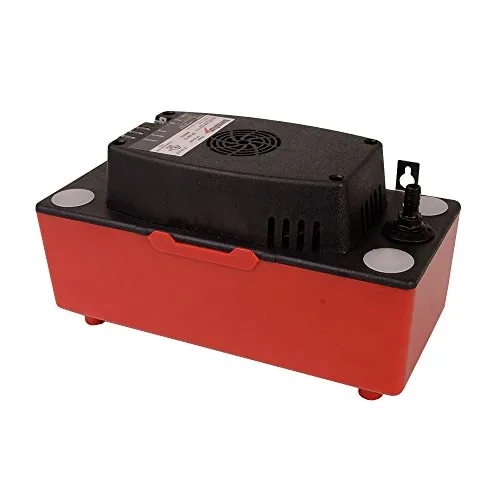
Condensate pumps often fail because of a buildup of algae or slime inside the reservoir. This organic growth forms in the moist environment of an air conditioning system and eventually prevents the internal float switch from rising, which keeps the pump from turning on. If the float is stuck in the down position, the motor won’t receive the signal to pump the water out.
Another common cause is a blockage in the discharge tubing. If the vinyl tube is kinked, pinched, or clogged with debris, water can’t exit the reservoir even if the motor is running. This creates backpressure that can cause the unit to overflow or trigger the high-level safety switch. Check the entire length of the discharge line for any sharp bends that restrict the flow of water.
Finally, the pump may lose power due to a tripped circuit breaker or a loose connection. The Diversitech condensate pump installation manual confirms that these units require a dedicated power source to operate reliably. If the pump is silent despite water being present in the tank, verify that the wall outlet is providing power and that the pump’s plug is seated firmly. If the outlet is controlled by a wall switch, ensure it hasn’t been turned off accidentally.
Clear the discharge tubing
If you suspect the pump is running but no water is leaving, inspect the discharge tubing for physical obstructions. Start at the pump outlet and follow the line to where it exits the building. You’re looking for kinks, debris, or areas where the tube has collapsed due to heat. If you find a kink, straighten the tubing and secure it with plastic ties to maintain a smooth path for the water.
If the tube appears clear, check the end of the line outside. Insects or dirt often block the exit point, causing water to back up into the pump. If you can’t clear the blockage by hand or by gently blowing air through the tube, the line may need to be replaced.
The decision rule is simple: if the tubing is flexible and accessible, you can clear it yourself. If the tubing is rigid PVC or routed through sealed walls and ceilings, call an HVAC technician.
Attempting to force a wire through a hidden, rigid line often punctures the pipe, leading to water damage behind your drywall. This mistake typically costs homeowners hundreds in repairs compared to a simple service call. Always verify that the discharge end isn’t submerged in a pool of standing water, as this can cause water to backflow into the pump.
Inspect the float and reservoir
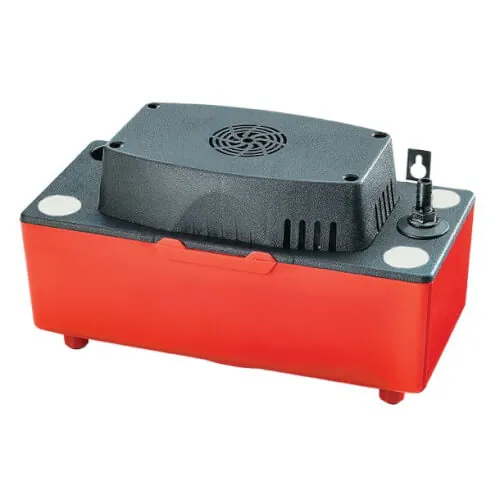
The float switch must move freely for the pump to trigger. Turn off the power to the unit and gently touch the float mechanism to see if it moves up and down without resistance. If it feels stuck or gritty, it’s likely coated in slime. You can carefully wipe away visible debris from the float and the surrounding reservoir area with a damp cloth.
If the float resists your touch, check the pivot point for mineral buildup. A common mistake is using harsh chemical cleaners, which can degrade the plastic housing and cause the float to warp or stick permanently. Instead, use a mild vinegar solution to dissolve calcium deposits. If the float remains sluggish after cleaning, the internal hinge is likely worn out.
This fix is intended for surface-level cleaning. Never attempt to disassemble the internal motor housing or electrical components, as this can void your warranty and cause a shock hazard. If the float remains stuck after a light cleaning, or if the reservoir is cracked, the pump needs to be replaced. If you’re uncomfortable working near the electrical wires or the water reservoir, contact a licensed professional for assistance.
Verify the power source
When the pump is completely silent, the issue is often electrical. First, check your home’s main electrical panel to see if the circuit breaker for the air conditioner or the pump outlet has tripped.
If the breaker is in the “off” or “middle” position, flip it all the way to “off” and then back to “on.” If it trips again immediately, don’t try to force it, as this indicates a more serious electrical fault like a short circuit or a seized motor.
Next, test the wall outlet with a small lamp or a voltage tester to ensure it’s live. If the outlet works but the pump remains off, check the safety switch wiring. Many installations use the safety switch to cut power to the air conditioner if the pump fails.
If your air conditioner is also not turning on, the pump’s safety switch may be triggered. This is a sign the pump reservoir is full or the unit is faulty. To distinguish between these, manually lift the float switch inside the reservoir. If you hear a distinct click but the motor doesn’t hum, the pump is likely dead. A blown fuse here is a common, inexpensive fix that many homeowners mistake for a total system failure.
Common mistakes to avoid
Pouring bleach into the reservoir is a common error that ruins the system. Chlorine degrades rubber seals and internal gaskets within weeks, leading to irreversible pump failure. Use a vinegar solution instead to clear biological growth without compromising the integrity of the hardware.
Never use a garden hose to flush the lines. Standard residential water pressure often exceeds 40 PSI, which is enough to burst thin vinyl tubing or force water into the sealed electrical housing. This causes immediate short circuits. Use a low-pressure squeeze bottle to clear blockages safely.
Ignoring the safety switch is a dangerous shortcut. If you bypass this sensor to keep the AC running during a clog, you risk catastrophic water damage to your floors and walls. If the switch trips, it’s a warning, not a nuisance.
Finally, avoid running the pump dry. If the AC is off for the season, unplug the unit. A faulty check valve can cause the motor to cycle endlessly, leading to overheating and fire risks.
Preventing future pump failures

| If you’re doing this | Do this instead | Why |
|---|---|---|
| Ignoring the pump | Inspect it every 6 months | Finds clogs before they cause leaks |
| Using harsh cleaners | Use a specialized pan tablet | Keeps the reservoir clean without damage |
| Ignoring odd noises | Listen for grinding sounds | Grinding often means the motor is failing |
| Letting lines sag | Use clips to support lines | Prevents air locks and water pooling |
Set a calendar reminder for your biannual inspection. If you find slime buildup, clear it immediately with a wet-dry vacuum rather than flushing it deeper into the drain.
Most homeowners fail by using bleach tablets. These release chlorine gas that corrodes metal components, leading to a total pump failure within two years. Always check the manufacturer’s label for “non-corrosive” or “enzyme-based” indicators.
If you hear a rhythmic clicking, check the float switch for debris. A grinding noise, however, indicates the impeller is hitting the housing. If you hear this, replace the unit immediately to avoid a basement flood.
Finally, ensure your discharge line maintains a consistent downward slope. If the line runs horizontally for more than five feet, install a check valve. This prevents water from backflowing into the reservoir, which forces the motor to cycle twice as often as necessary.
Frequently asked questions
How long should a condensate pump last?
A condensate pump has a limited operational lifespan. This timeframe depends on the humidity levels in your area and how frequently your air conditioning system runs. If your system runs year-round, you may need to replace the unit sooner. You can check the date code on the pump’s label to see how old your specific unit is.
Can I fix a leaking condensate pump myself?
No, you shouldn’t attempt to repair a leaking condensate pump yourself. If the reservoir is cracked or the housing is damaged, the unit can’t be safely patched and must be replaced entirely. Attempting to seal a leak with tape or glue usually fails quickly and risks water damage to your home. Always replace a leaking pump to ensure your property remains protected from water overflow.
Why is my pump making a loud humming noise?
A loud humming sound indicates the motor is blocked by debris or a stuck impeller. If the pump fails to move water, turn it off immediately to prevent the motor from burning out. If the discharge line is clear and the noise persists, the motor is likely failing.
How do I know if the safety switch is tripped?
A tripped safety switch stops your air conditioning if the pump reservoir is full to prevent flooding. If your AC is off and the reservoir is full, the switch has successfully engaged. You must drain the reservoir manually before the system will allow the AC to restart.
Is it safe to leave the pump running 24/7?
Yes, it’s safe and expected for the pump to remain plugged in at all times so it can react whenever water collects. The pump only consumes electricity when the float switch activates the motor. However, if you’re leaving your home for an extended period, it’s wise to ensure the drain lines are clear to prevent accidental overflows. If you have concerns about electrical safety, consult a licensed electrician.
Conclusion
Regular maintenance is the most effective way to keep your condensate pump running smoothly. By keeping the reservoir clean and checking the discharge lines for blockages, you can prevent most common failures before they cause an emergency. If you ever feel uncertain about the state of your equipment, calling a professional is always the right choice to protect your home from potential water damage.